
Roughly 100 new short dramas go live in overseas markets every single day. It sounds like a press release exaggeration until you line up the figures from several industry trackers and broadcasters. While you sleep, a hundred vertical series cross time zones in search of subscriptions and ad revenue.
The size of the prize is now measurable. The overseas micro-drama market is forecast at about 6 billion dollars for 2026, and AI comic dramas alone account for close to 4 billion, up nearly 390 percent year on year. The more telling part is the split: Chinese companies capture around nine tenths of that slice.
The league tables back it up. Of October's top 100 overseas short dramas, 82 were backed by Chinese firms, and nine of the ten highest-grossing apps were Chinese. The top three on both downloads and revenue came from the same cluster of products, leaving one seat for everybody else.
The explanation is less romantic than the numbers. Production was broken into steps. A minute of finished screen time now costs around 350 yuan, the cycle has compressed from 90 days to 10, and automated dubbing and adaptation cut localization costs by about 80 percent. Studios in Hangzhou and Shanghai run scripts in and episodes out with factory-like regularity.
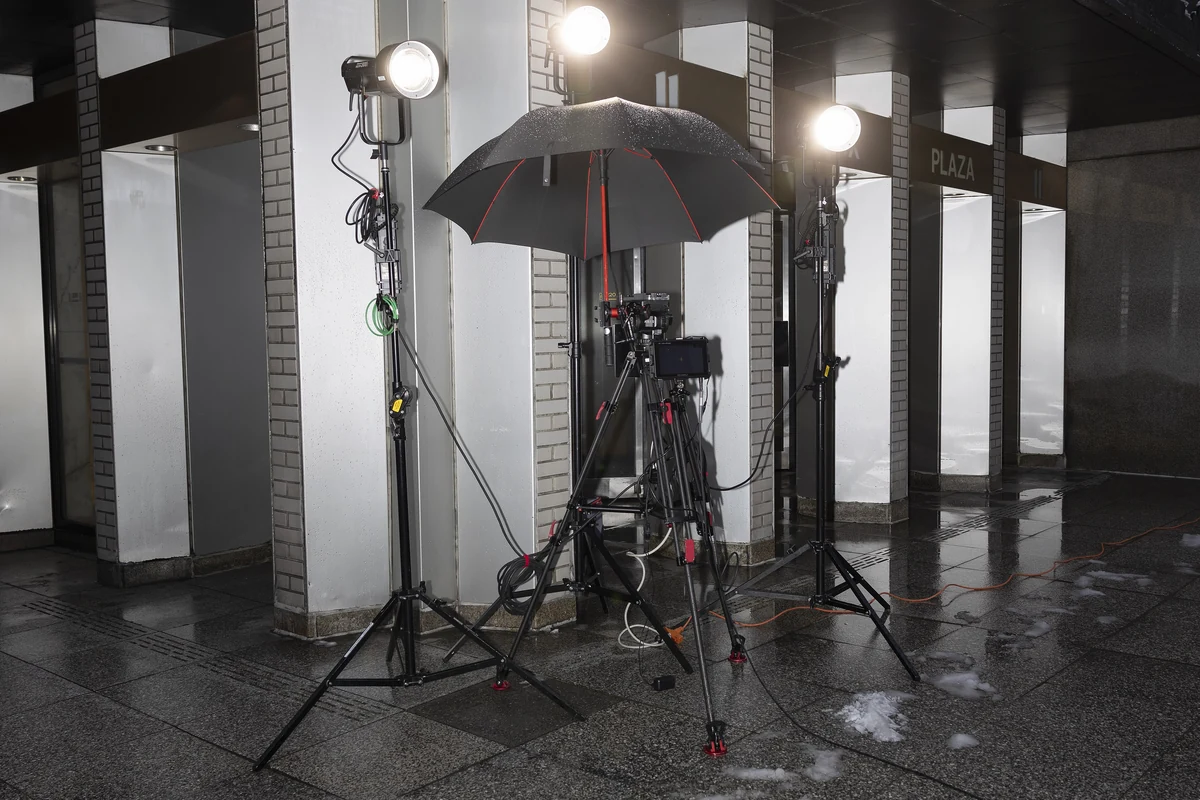
Not long ago an overseas shoot meant crews, locations and local casts, with any single delay costing weeks. Today a green screen and a model supply faces, settings, lip movement and multiple language tracks on the same line. Once the cost of a failed attempt collapses, a weak performer can simply be replaced by the next one.
That changes the commercial logic. The old bet was a single hit. The new bet is portfolio yield: release a hundred titles, let a handful break out, and the whole slate still clears its costs. Content behaves less like craft and more like a manufacturing run with a defect rate, which is an unglamorous but accurate description of this expansion.
New entrants are moving faster than incumbents. PineDrama, launched in January by ByteDance, passed 100 million downloads in about nine months and holds near 7 million daily active users. Kunlun Wanwei reported third-quarter revenue of 3.578 billion yuan, with its AI short-drama line approaching 100 million dollars in monthly billings in September.
On the audience side, roughly 150 million people are active on overseas AI comic dramas. But the money lands unevenly. North America has fewer users and much higher spend per head; Southeast Asia supplies volume and growth, with free tiers doing the land grab before habits form; Europe concentrates most of its revenue in one or two leading apps.
Genres have to be ordered region by region. The early wave leaned on a single template of billionaires and sweet romance, which was a shortcut rather than a strategy. Now North American audiences lean toward supernatural and family-dynasty hooks, Southeast Asian ones toward underdog and family plots, European ones toward suspense and period settings. The emotional beat travels; the casing does not.
There are already signs of oversupply. Per-minute quotes keep sliding, while tooling and compute vendors look steadier than the studios buying from them. Industry estimates put the break-even threshold at a substantial play count, and the large majority of new titles never recover their costs within six months.
That puts the real dividing line somewhere other than generation speed. Models handle images and language; pacing, character tension and a franchise that survives a second season still depend on people. Once efficiency has flattened the entry barrier, the competition returns to the least automatable part of the job.
Perhaps the cleanest way to read this moment is as an industrial experiment. The vertical rhythm, the payment cliffhanger and the ad-buying model were exported intact, then reclad in local faces and idioms. The skeleton stayed put while the skin changed. Six billion dollars is this year's benchmark; next year's will likely be higher again.


Comments