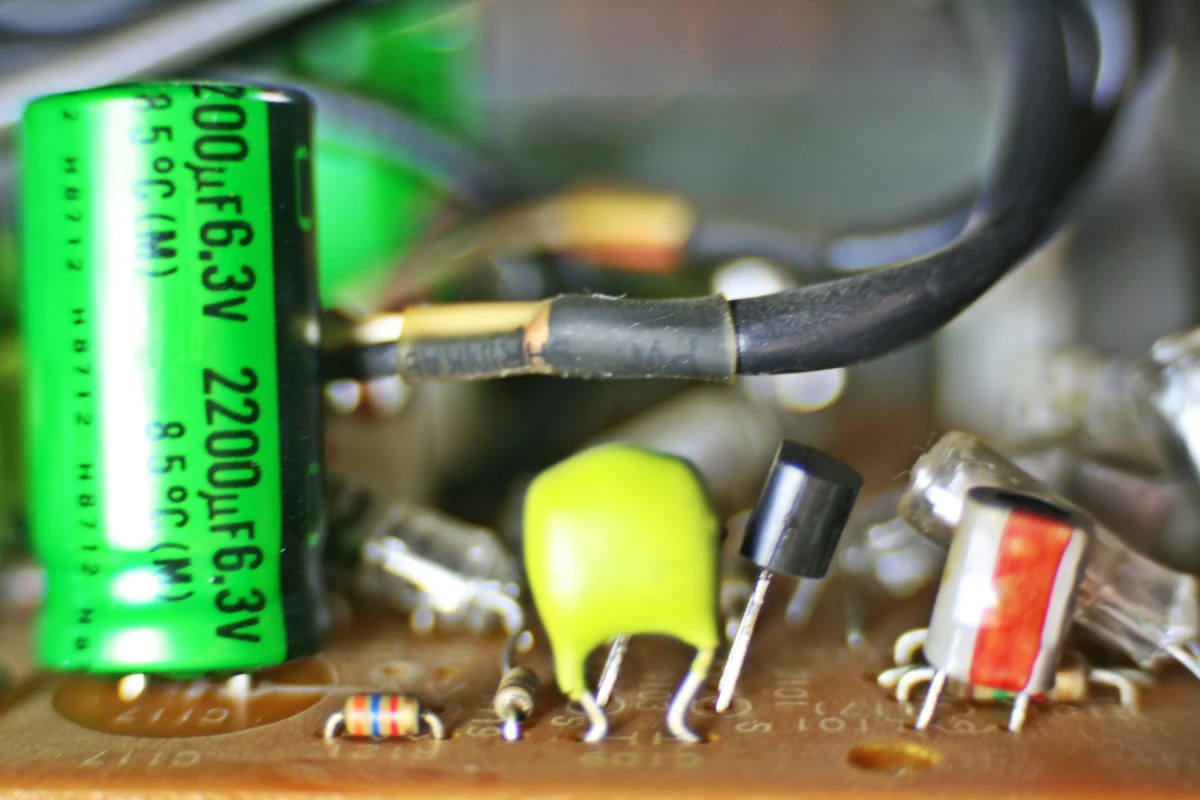
On 5 November 2026, Nordic Semiconductor announced the nRF71 series in Oslo. The headline figure is a standby power draw up to twenty times lower than its existing nRF70 Wi-Fi products, combined with ultra-low-power Wi-Fi, Bluetooth Low Energy, Thread and edge AI on one chip.
That combination matters because batteries and Wi-Fi have always been uneasy partners. Wi-Fi offers bandwidth and a mature ecosystem, but the energy cost of listening and reconnecting makes a coin cell a poor fit. Most sensors therefore retreated to Bluetooth LE and handed data to a gateway, which then reached the internet. The complexity of that chain has quietly capped how many devices get deployed at all.
That combination matters because batteries and Wi-Fi have always been uneasy partners. Wi-Fi offers bandwidth and a matu
Twenty times lower standby draw is less about saving electricity than about changing the arithmetic of a deployment. When average current falls into the range where a single cell lasts years, there is no longer a budget line for cabling, battery swaps or maintenance visits. For a sensor tucked above a doorframe or deep in a warehouse rack, that often decides whether the project happens.

Each of the four integrated blocks has a job: Wi-Fi for backhaul, Bluetooth LE for provisioning and wake-up, Thread for low-power mesh networking, and an NPU for local inference. Until now this usually meant two or three chips plus a coprocessor, and every extra part added static power, board traces and firmware coordination.
The Axon neural processing unit is the most interesting addition. Nordic claims model execution ten to seventeen times faster than a 256 MHz Arm Cortex-M33 alone, enabling keyword spotting, anomaly detection and image classification on battery power. The speed-up is not the goal; the goal is that these tasks no longer need to wake a main processor or ship raw data to the cloud. Its Neuton toolchain builds very small models from a developer's own data and runs them on that processor alone.

The architectural consequence is a shift from collect-and-upload to judge-then-report. In a conventional chain a microphone or accelerometer produces a continuous stream, the network carries it and the cloud interprets it. With local inference the device stays silent most of the time and transmits only when an event is detected. Fewer transmissions mean lower power, lower traffic and lower cloud bills at once.
Privacy and latency come along for free. Sound, vibration and image data can be classified without leaving the device, which keeps ambiguous raw data out of the network; and response time collapses from a round trip to a single inference. For anomaly shutdowns or equipment protection, tens of milliseconds are not an abstraction. Smart-home sensors, wearables and industrial vibration monitors all share the same shape: light tasks, sparse events, permanent readiness.
None of this replaces cloud models. Tasks needing long context, cross-device aggregation or generation still belong higher up. The constraints are equally real: single-chip memory caps model size, multi-protocol coexistence complicates scheduling, and putting AI in the lowest controller lengthens the chain for firmware and model updates. Once the power barrier drops by twenty times, the remaining hard problems move into software and operations. That is where this quiet infrastructure change will actually be won.

Comments