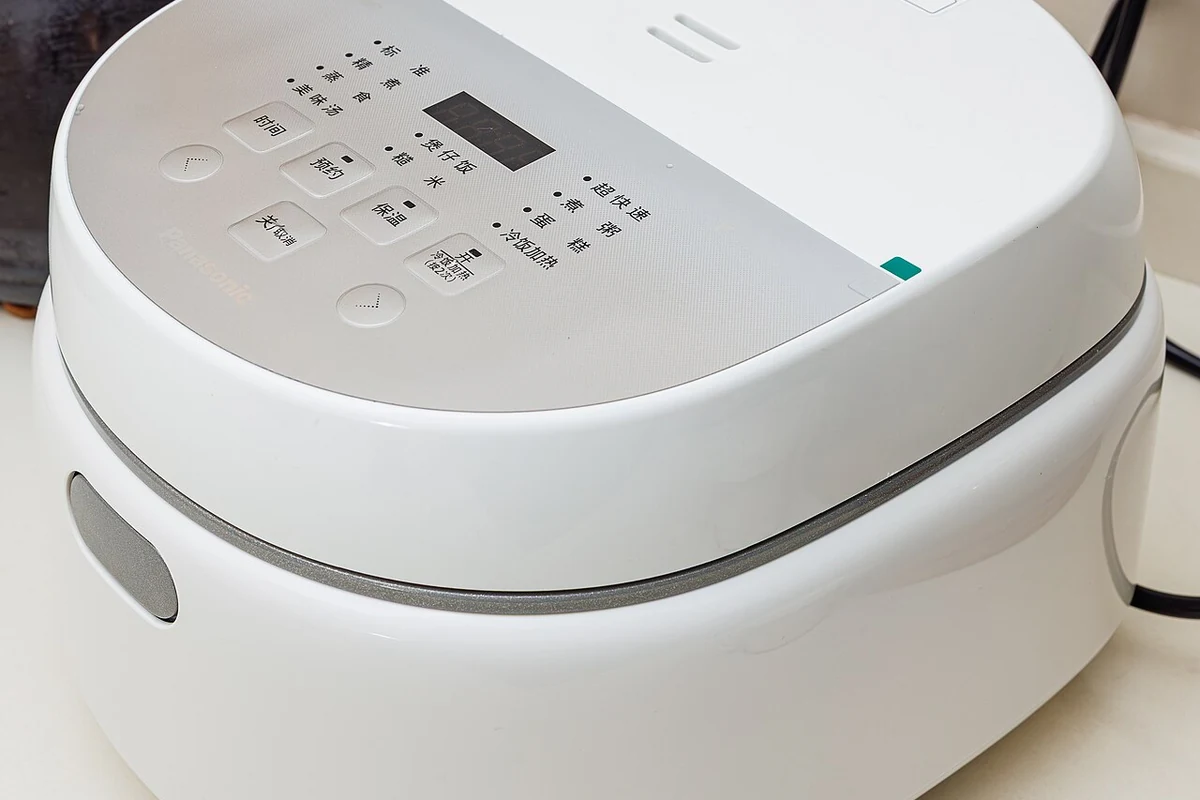
Contract manufacturing sounds like a humble business: someone else supplies the brand, the design and the distribution, while you supply the factory, the workers and the all-nighters. The brand owner takes the lion's share of the profit; you earn the hard-earned scraps. As one joke goes, contract manufacturing is like being the caterer at someone else's wedding, you cook the feast, they pocket the red envelopes. Riding the APEC meeting's push for regional value-chain upgrades, more factories are finally putting their own names on their products.
But in recent years that script is being rewritten. More and more factories are tired of being merely the caterer; they are starting to host their own weddings. From rice cookers to running shoes, from perfume bottles to smart appliances, the label made in China is shifting from cheap and able to build toward well-designed, quick to react, and carrying a name of its own.
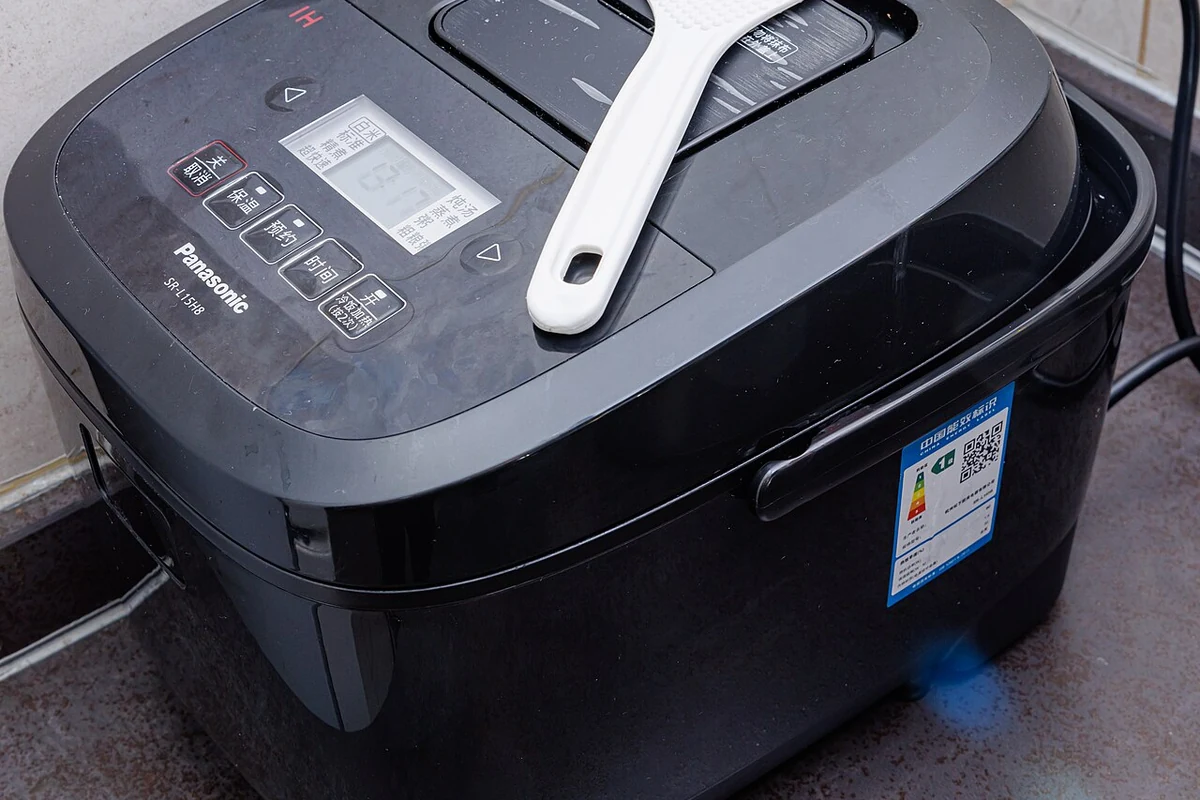
Take the rice cooker. At the Canton Fair, the hum of machinery fills one company's workshop as inner pots are stamped, coatings sprayed and control boards assembled in sequence; in the lab next door, cookers run round-the-clock tests while engineers fine-tune low-sugar cooking curves for different rice varieties across Southeast Asia. They will spend months perfecting a single low-sugar rice function. This is not building a pot, it is studying how to make a bowl of rice taste good and leave you feeling a little lighter.
Another company wrote research into its long-term strategy: 5% of revenue goes back into R&D each year, a team of more than 30 engineers, and over 60 patents accumulated. On the automated line, robotic arms rise and fall, and 21 cookers roll off in a single short run. Their leader put it bluntly: in the old days we only produced and never faced the market; now, moving from contract work to our own brand overseas, we have slowly earned a reputation.
The interesting twist is intelligence. One company plugged into the HarmonyOS ecosystem, folding the Internet of Things and smart connectivity into the traditional rice cooker, and the export unit price of its smart models climbed sharply. Same pot, but once it is smart, its standing changes. Same pot, different destiny, as they say.
Now shoes and clothing. In the global division-of-labor cases released for Jinjiang, twelve companies including Anta, Xtep and 361 Degrees were selected, all following much the same path: moving from exporting products to exporting capabilities, brands and standards. One firm acquired an old Spanish sportswear label, leaping straight from OEM contractor to international brand operator, the most satisfying kind of comeback: you used to work for someone else, and now you buy the boss's company.
Others play a dual-base game: keeping research and core manufacturing at home while extending capacity and suppliers into Southeast Asia, a pattern of headquarters research plus overseas production. High-end custom orders exceed 90%, supplying top global brands for years. The cleverness of this split is keeping the most valuable brainpower close while stretching the hands and feet toward the market.
The story of Mapo town in Jiangsu is even more full of life. This small town produces no perfume, yet it holds up the world's fragrance industry. Glass-blowers, cap-makers, deep-processing shops and coffee exporters form a chain. The cap-makers obsess over one thing, that it opens easily, and their self-developed easy-open caps cut the force needed by 60%. The deep-processing shops spray, silkscreen, hot-stamp and fire-decoration bottles, turning out more than 100 million perfume bottles a year.
Mapo's turning point is typical. Once a bottle was sold by the tonne, with margins pinned low for years. Now foreign brands come to the door with drawings, drawn not just by low-cost craftsmanship but by the town's ability to offer fresh ideas with an Eastern aesthetic. One perfume bottle has gone from building to spec to joining the design conversation, from competing on capacity to competing on speed and taste. The name has not changed, but its worth has.
Others pack imported freeze-dried coffee into their own high-borosilicate glass jars and export the bundle through cross-border e-commerce. While everyone else fights a price war over the bottle, they simply sell bottle plus coffee together. The beauty of the idea: instead of undercutting each other in the same red ocean, redefine what it is you are selling.
Put these stories side by side and a clear trajectory emerges. In the contract phase you compete on whether you can build it; in the brand phase you compete on whether you thought it through and whether you reacted fast enough. Front-loaded research, differentiation, aesthetic output, localized service, corporate-sounding words that, on the product itself, mean a better-tasting bowl of rice, a better-fitting pair of shoes, a better-looking bottle.
Transformation is no dinner party, of course. Research takes real money, patents take years, and brand reputation accumulates bit by bit. One company has exhibited for over 20 years, bringing new products to every show, with new items making up about 20% of its display. What people call a late burst is simply slowly simmering thin margins into thick ones.
And for ordinary consumers, the most visible benefit is this: at a fairer price you get better-designed, more reliable things. The factories that once appeared only behind somebody else's logo now dare to print their own names on the product and walk confidently into your life.
Going from contract factory to brand is really a process of writing your own name on your own product. It sounds like just a few more characters, but behind it lies decades of an industry growing up. That rice cooker and that perfume bottle hold more than rice and fragrance, they hold the breath of a group of people who finally took their own fate into their hands.



Comments