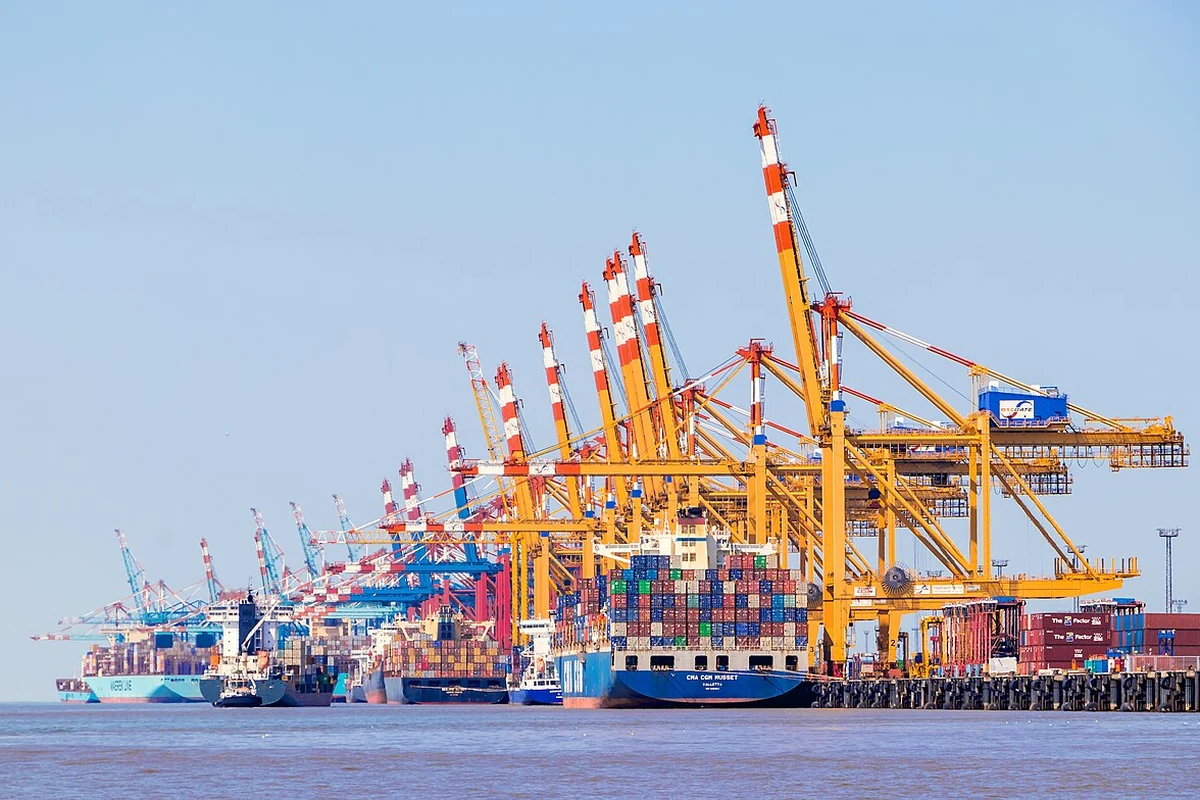
Walk into certain terminals today and your first reaction may be: where is everybody? The old image of a port was noisy, frantic, full of waving hands and shouted instructions. Now the trucks roll along their routes by themselves, the ship-to-shore cranes rise and fall in the distance, and the yard is as silent as an office on a weekend. The drivers have not vanished; they simply changed desks, moving from a cab dozens of meters up into an air-conditioned control room. With the APEC meeting highlighting connectivity, driverless trucks at the docks are pushing the word 'efficiency' to its limit.
Shenzhen's Mawan smart port is a textbook case. Built in 1989, it started as an ordinary terminal with a cramped yard and aging facilities, and the upgrade had to be done while production continued, a challenge described as building a temple inside a snail shell. Today the port runs 38 5G autonomous trucks, the largest single-terminal driverless fleet in the country, plus 53 intelligent flatbed vehicles.
After the retrofit, overall operating efficiency rose 30%, safety hazards fell 50%, and carbon emissions dropped 90%. In 2026 the port expects more than 800,000 TEUs handled autonomously, with penetration above 20%, saving roughly 30 million yuan in labor costs a year. Behind these numbers lies a plain truth: machines do not get tired, do not call in sick, and do not expect a year-end dinner.
Xiamen's Yuanhai terminal offers another angle. Staff in the operations department recall that a decade ago a crane driver had to sit dozens of meters in the air, baked by sun and soaked by rain, aligning by eye and experience. Now, seated in the control room, one person manages four to six gantry cranes, with efficiency 20% above a traditional terminal. It is the ultimate career glow-up: from braving the elements at altitude to sipping tea in an office, with a whole technology stack in between.
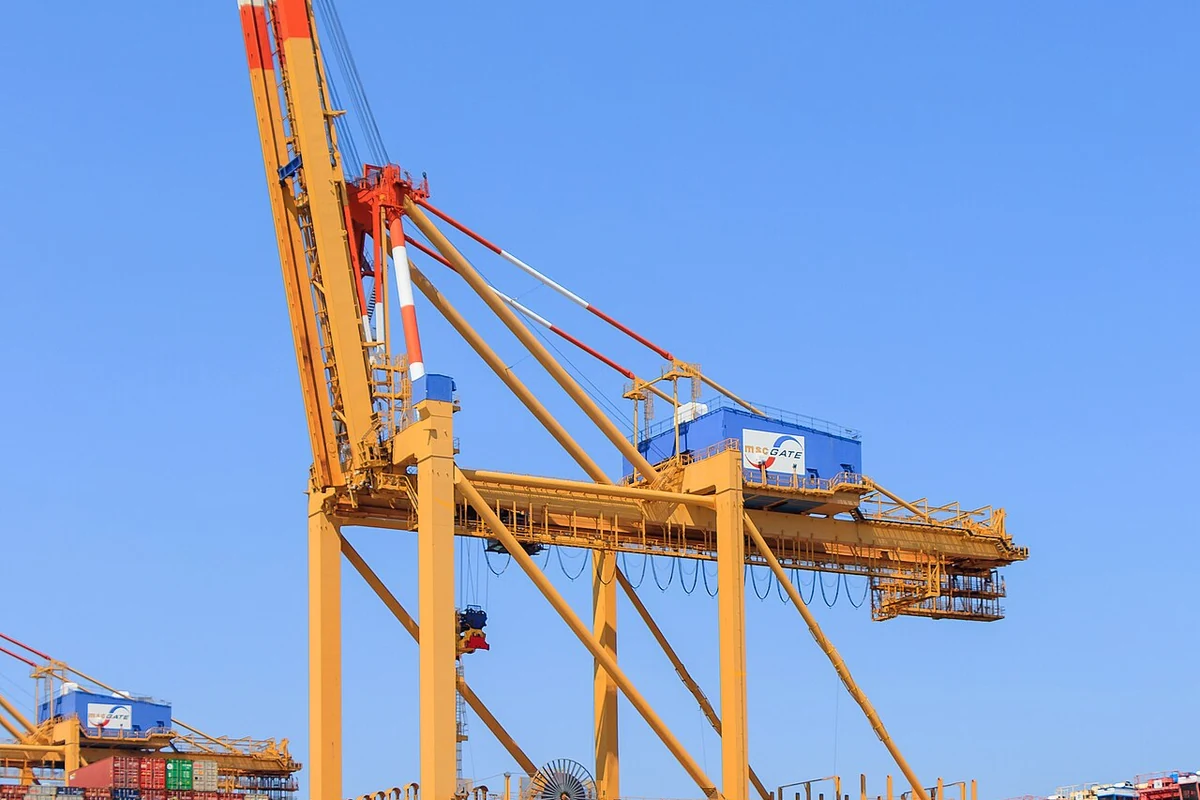
Making it all work is the combination of 5G, the Beidou navigation system and autonomous driving. Driverless trucks are dispatched end to end, automatically handling loading, transfer and placement around the clock. It sounds like magic, but it amounts to one thing: every shipment's whereabouts are crystal clear, where it is, where it is going and when it will arrive. The system knows better than the cargo owner.
Guangzhou's Nansha port phase four goes further: it is the world's first fully automated terminal combining river, sea and rail transport. Intelligent guided vehicles glide silently like a school of orange fish, ship-to-shore cranes grab containers automatically, and rail-mounted gantries stack them on their own, a vast work zone with hardly a worker in sight. A single system fusing Beidou, 5G and artificial intelligence orchestrates the whole thing, making the journey from ship to yard completely unmanned.
The efficiency numbers are no slouch either. China has built more than 60 automated terminals, leading the world in scale, technology and performance; 30 of them are automated container terminals, accounting for 27% of the global total. The fastest single-machine rates at Shanghai and Qingdao topped 60 natural containers per hour, with Qingdao's cranes averaging 62.62, the highest loading and unloading efficiency of any port in the world.
Shanghai's Yangshan phase four has even hit a peak of 63.88 natural containers per hour, with around 24,000 TEUs handled in a single day and a labor productivity rate of 213% of a traditional terminal. In plain English, work that once took ten people now takes three or four, and gets done faster and more accurately.
Even neater is the sea-rail link. In July 2026, Xiamen's Haicang terminal opened the country's first sea-rail line running perpendicular to the shoreline right up to the berth, stretching 1,586 meters. With trains reaching the very edge of the dock, cargo needs to move just 70 meters to be loaded onto a ship, completing the transfer in nine minutes. Seventy meters, nine minutes, a sprint record written for inland goods heading to sea.
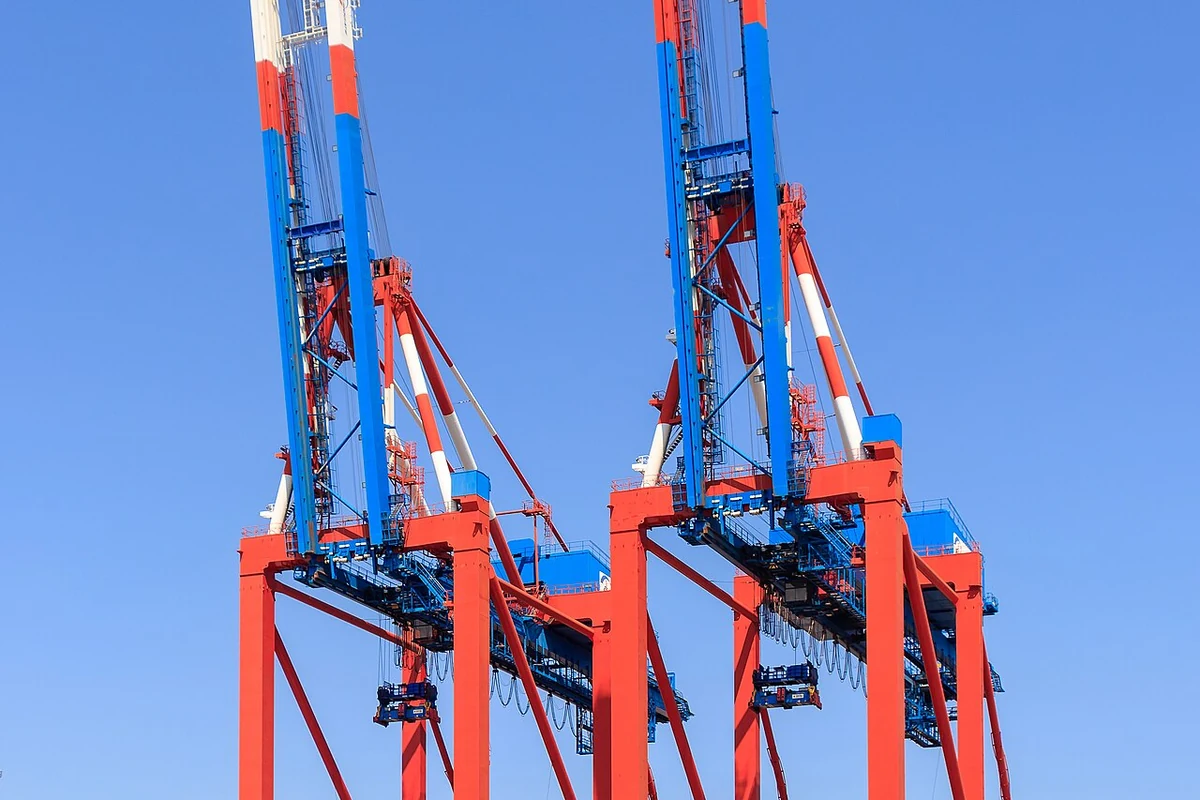
These terminals have a hidden achievement too: making hard work light. Loading once relied on experience; now it relies on data. Alignment once relied on the eye; now it relies on Beidou. A foreign reporter who toured the site marveled that the machines did everything and decisions were made with remarkable speed. That sounds like praise for the machines, but it is really praise for an entire system that frees people from dangerous, repetitive and punishing jobs.
Of course, a driverless port is not a driverless city. What truly changes is where people stand: drivers become dispatchers, directing becomes programming, and muscle becomes mind. The masters who once stood aloft, squinting in the sun to line things up, now sit in front of screens managing several machines. The work has not disappeared; it has moved from wind and weather to strategy and command.
One forecast says that by the end of the decade, the country will have more than 90 automated terminals and over 350 berths of 10,000 tonnes and above, with core production processes essentially unmanned on site. In a few years, then, the question will flip from why are there no people at this port to why are there so many people at this port, all of them in offices.
So the next time you see a story about a driverless terminal, do not rush to picture a sci-fi film. It is more like a quiet workplace upgrade: machines take the hardest and riskiest tasks, while people step back to make more valuable judgments. The trucks rolling silently along the quay carry more than containers, they carry one industry's long answer to the question of how to work smarter.


Comments