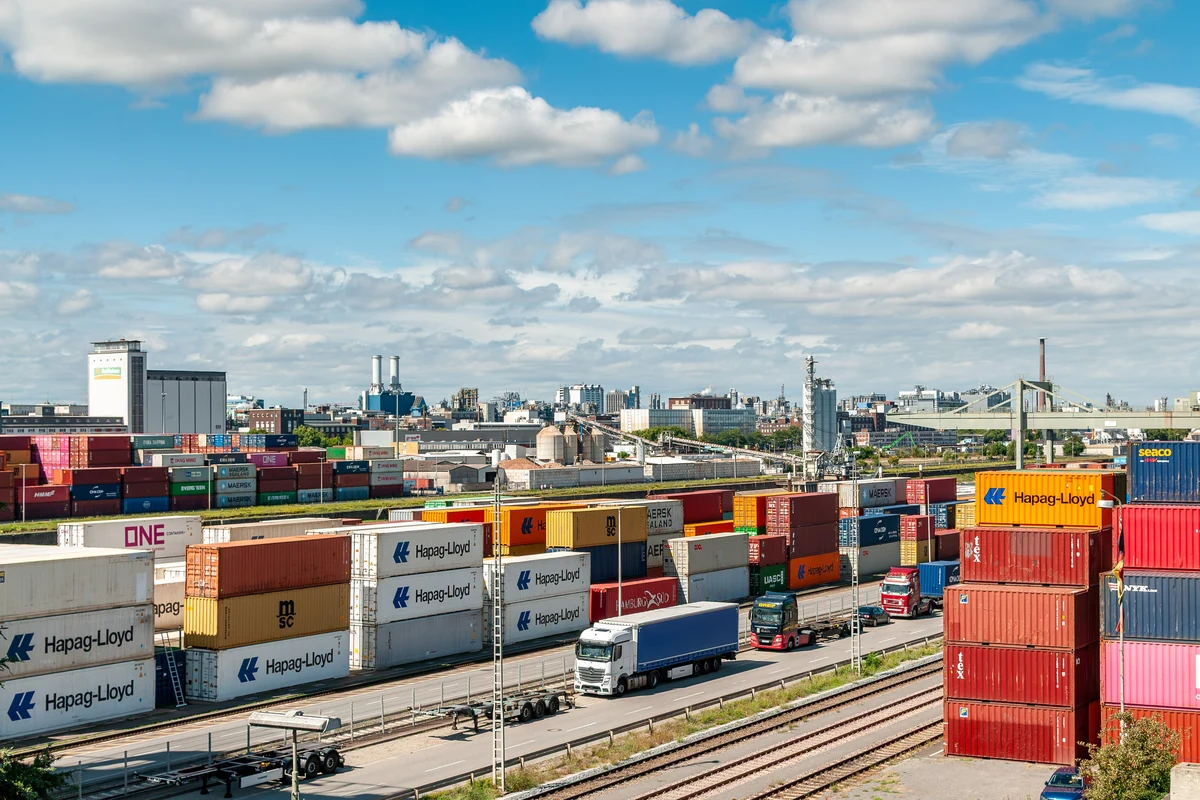
Mention a shipping container and your mind probably conjures neat stacks of steel boxes, cranes and the industrial hum of a port. But pry one open and you might catch a whiff of sea air, fruit perfume, or the stubborn spirit of a rock lobster. These metal boxes stopped being exclusively industrial a long time ago. They are the moving company of the world's dinner table. While the APEC meeting talks about trade facilitation, real-world containers have already turned global division of labor into a daily routine.
Over the first eight months of this year, the country's total goods trade reached 34.77 trillion yuan, up 17.6% year on year, with imports at 14.6 trillion yuan, a gain of 22%. Every day, tens of billions of yuan worth of goods pour in from around the world, stuffing the shopping cart ever fuller. In that cart: AI chips and Chilean cherries, Ethiopian flowers and New Zealand rock lobsters, a bit of everything.
Start with fruit, which is a race against the clock. Between January and July, the Yangshan port area inspected 185,000 tonnes of imported fruit, with African fruit up about 30%. The way inspectors check Peruvian blueberries is delightfully hardcore: crush a sample into a 17% sugar solution, let it sit for 20 minutes, then watch for larvae and eggs floating to the surface. It is probably the sweetest quality-control job on earth, fishing with sugar water, and the catch is bugs.
Seafood is a game of nerves. In the inspection zone at Shanghai Pudong airport, New Zealand rock lobsters, black gold abalone and Thai giant tiger prawns are checked one by one. They are exquisitely time-sensitive: every extra minute nudges the mortality rate up, so clearance has to happen immediately. China is the world's second-largest importer of aquatic products; in the first half it brought in 2.753 million tonnes, up 21.4%. From the ocean to the plate usually takes three to five days, and as little as one. Yesterday it was strutting across the seabed in the southern hemisphere; today it is lying on a plate in the north. Call it time travel, seafood edition.
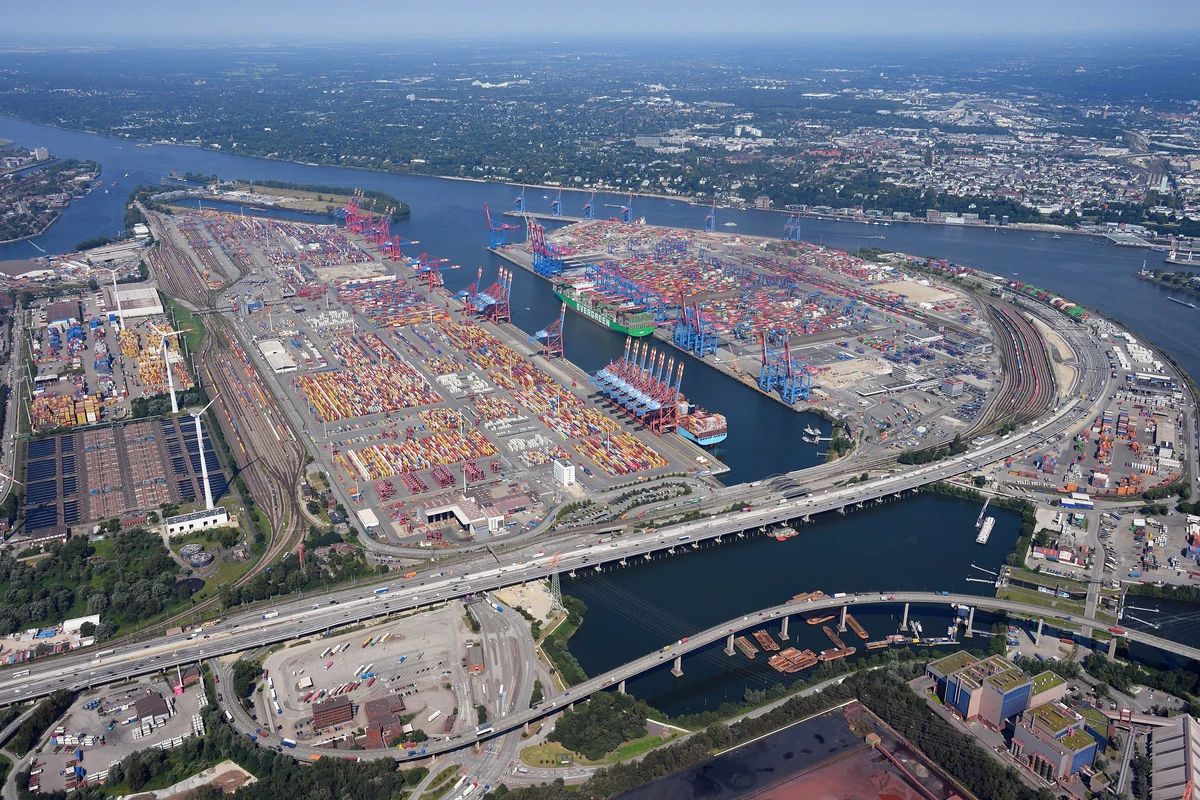
More than 40% of the country's chilled goods enter through Pudong airport customs, with 350 to 500 tonnes a day flowing into Shanghai's basket and 100 tonnes heading to the Yangtze River Delta. Those numbers sound abstract until you translate them: one mid-sized city devours the weight of several elephants in imported seafood every single day.
Of course, the heaviest part of that cart is still chips and machinery. In the first half, integrated circuit imports reached $298.02 billion, up 55.8%, the 30th consecutive month of year-on-year growth. June alone jumped 72.3%, a record for the third month running. Cross-border trucks at the Shenzhen Bay port carry high-precision components that reach memory plants in the Pearl River Delta within an hour.
Behind this is a fascinating chain reaction: an order for one AI device pulls not just one memory module, but a long tail of raw material and equipment purchases. In the first half, AI memory products grew 433.58%. You buy a pair of AI glasses for a few hundred yuan, and quietly you have mobilized a whole parade of workers stretching from sand to machinery.
Electromechanical products are another import heavyweight. In the first seven months, imports of these products hit 5.31 trillion yuan, up 29.7%. At Yangshan, construction-equipment engines, bucket teeth and connecting rods arrive in bulk from Europe and the United States, keeping the country's specialized engineering sector fed. These parts are unremarkable to look at, yet they are the joints and teeth of the infrastructure beast.
Look at all this cargo together and you realize a container is really a mirror. What it reflects is not who is buying, but how the world divides its labor. A chip gets packaged in Southeast Asia; a truckload of parts sets off from Europe; a lobster flies up from the southern hemisphere, and they all converge in Chinese factories and on Chinese dinner tables, becoming one complete story of things that can be shipped and a life that can be lived.
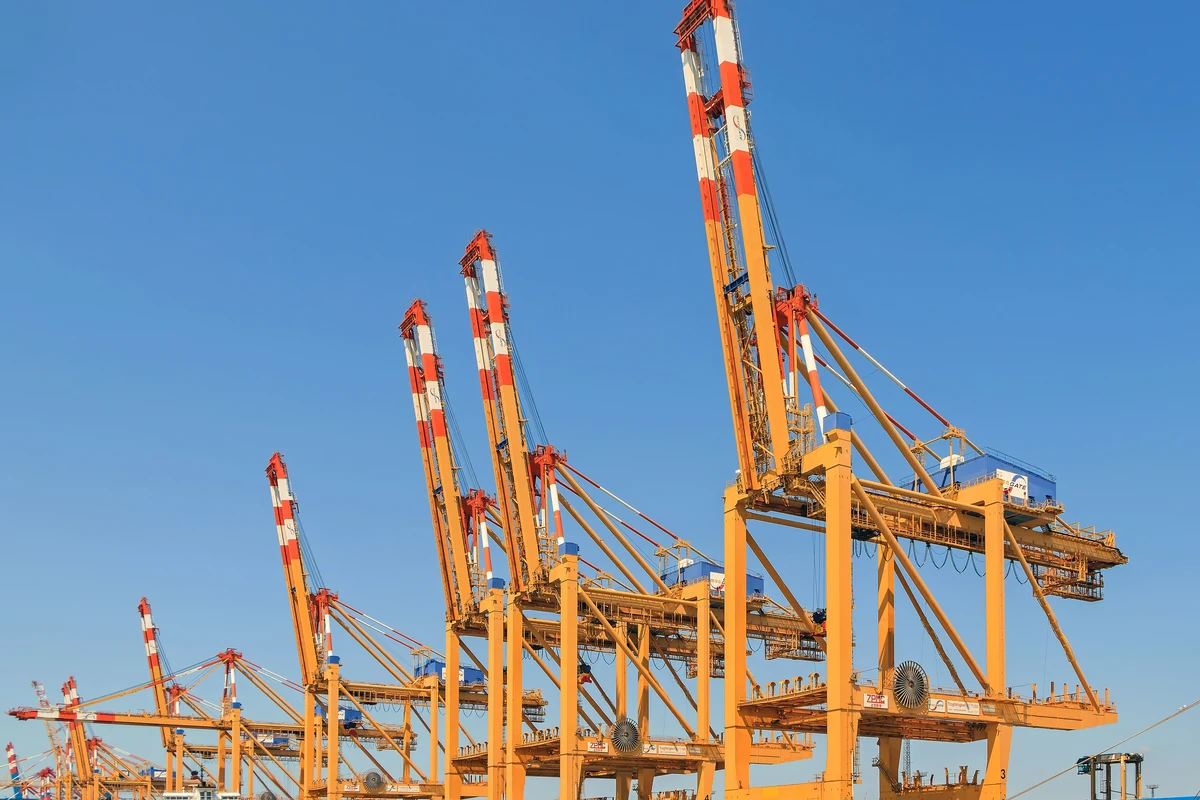
Interestingly, the goods no longer stay in the Pearl River Delta. More and more are heading to the Yangtze River Delta and industrial parks in the interior. It used to be that the coast ate the meat while the inland regions got the soup; now the inland is slowly taking a seat at the table. Geographic distance is being shaved away, bit by bit, by logistics and supply chains.
So next time you pick up a box of imported cherries at the supermarket, or unwrap a gleaming new gadget, think about the metal box behind it. It crossed an ocean, cleared customs, was inspected with sugar water, and was chased by the clock before coming to rest in front of you. A container holds more than cargo: it holds the busy lifetimes of countless people trying to make life a little better.
And that ever-fuller shopping cart holds more than goods. It is evidence that this world needs and supplies itself, over and over. Every item you buy casts a vote for a distant supply chain: I would like to keep living this way, thank you very much.
Perhaps the strangest thing is how ordinary all this has become. A cherry that once needed a passport now has a frequent-flyer record. The miracle of global trade, it turns out, is that it eventually stops feeling like a miracle at all and simply becomes the price of the fruit at your local store.

Comments