NAD+ is one of the busiest coenzymes in the cell. Energy metabolism, DNA damage repair and the activity of deacetylases all depend on it. Because levels decline with age and chronic inflammation, restoring NAD+ has become one of the noisiest health narratives around, with nicotinic acid, nicotinamide, NR and NMN taking turns on the shelf.
That narrative rests on an assumption: the host processes the precursor alone. Textbooks describe three ways to maintain the NAD+ pool, de novo synthesis, the Preiss-Handler route, and the salvage pathway whose rate-limiting enzyme is NAMPT. Almost every commercial precursor ends up queuing at that salvage doorway.
The new study asked a question rarely put so directly: could the microbes living in the gut also supply NAD+ precursors to the host? They can, and the molecule they supply is one whose identity had been misread: N-methylnicotinamide with the methyl on the amide nitrogen, which the authors call N-MNA.
The chemistry is easy to skim past. N-MNA is a structural isomer of the familiar N1-MNA, differing only in where the methyl sits, and it had often been dismissed as a breakdown product of nicotinamide. Liquid chromatography with tandem mass spectrometry separated the two, revealing that several commensal species secrete this supposed waste product in quantity.
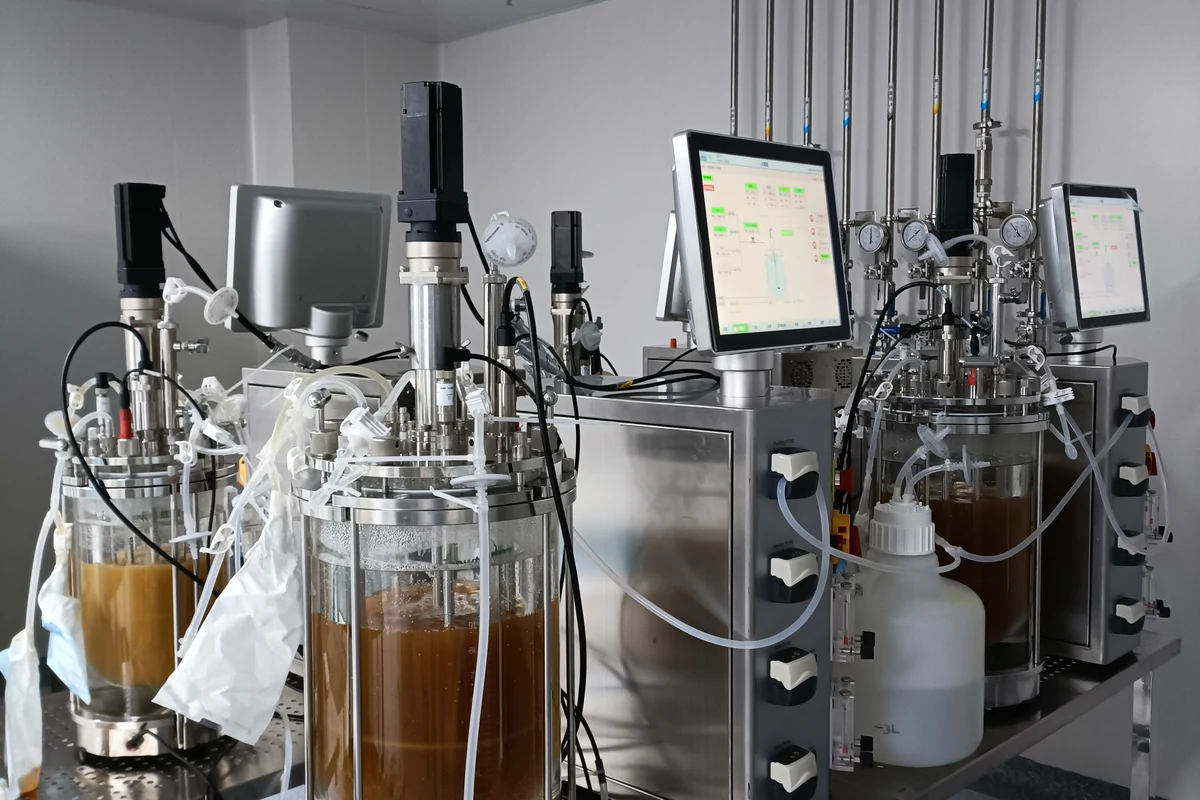
The producers are not marginal players. Several well-studied commensals appear on the list; colonization experiments in germ-free animals confirmed that it is generated inside the gut; and depleting the microbiota with antibiotics sent faecal N-MNA sharply down. The source chain closes: it arrives from the microbes, not from the diet.
The clinical comparison is more suggestive still. In samples from people with inflammatory bowel disease, N-MNA was markedly lower, and low values tracked with elevated calprotectin and reduced microbial diversity. That is correlation, not causation, but it invites an obvious hypothesis: could impaired repair be partly a shortage on this supply line?
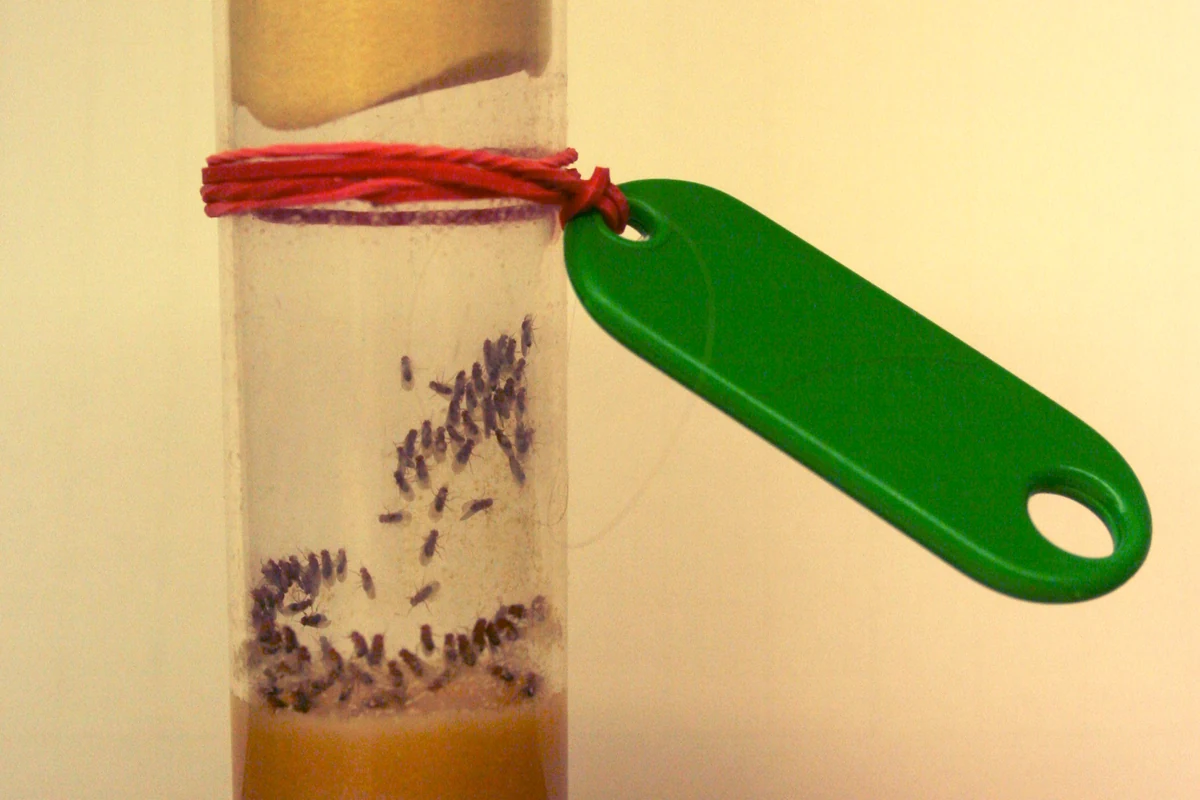
To show the molecule is not merely passing through, the team used stable-isotope tracing. Labelled N-MNA was rapidly taken up by fruit flies, mice and human intestinal epithelial cells and entered the NAD+ redox cycle. Non-epithelial cells used it too, so this is a precursor available across tissues rather than a local curiosity.
What made metabolologists sit up was the pathway assignment. Both genetic knockout and pharmacological blockade pointed the same way: N-MNA feeds through Preiss-Handler and does not depend on the NAMPT salvage route. It therefore bypasses the bottleneck crowded with supplements and often narrowed with age, refilling the pool through a side door.
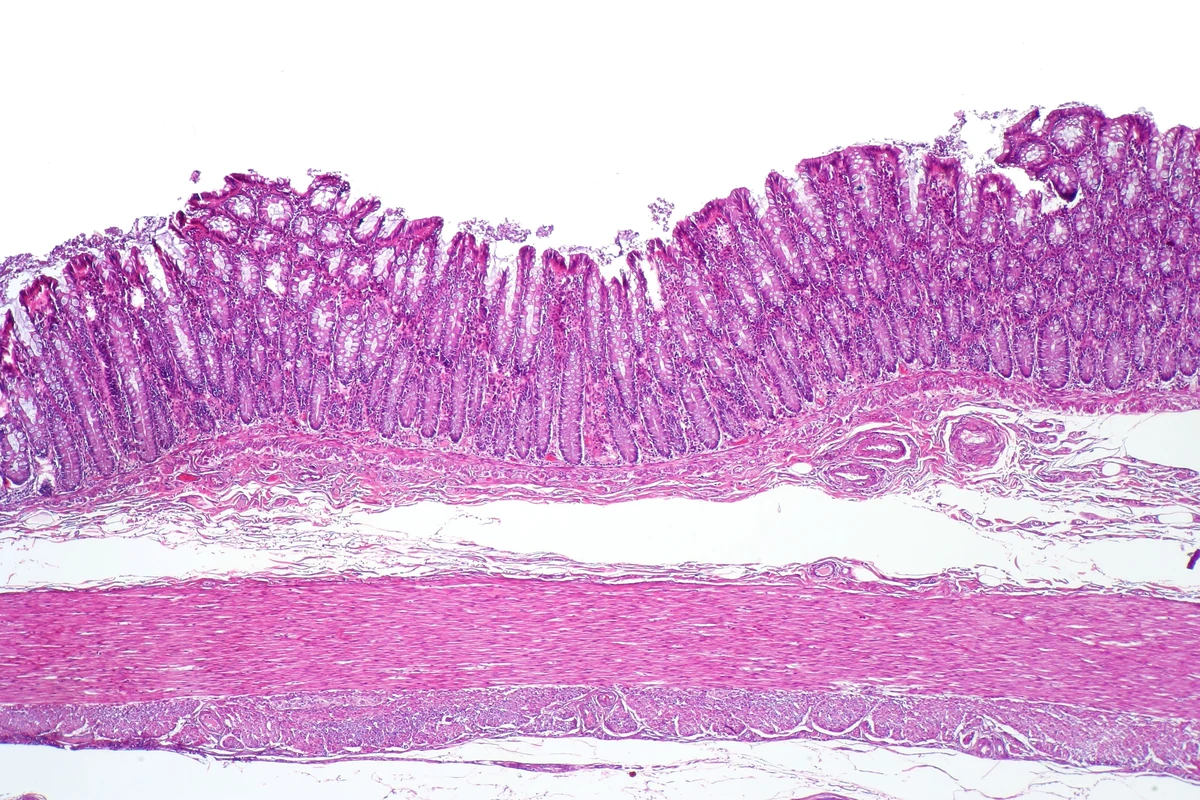
The functional evidence lines up as well. With the NAD+ to SIRT1 axis engaged, intestinal stem cells proliferated more, organoids grew larger, and Lgr5-marked stem cells increased. In a colitis model, supplementation produced observable epithelial repair and a survival benefit. Molecule, cell and tissue were connected step by step.
The molecule carries a second identity: it donates a methyl group to host cells. Supplying both NAD+ and methyl means it sits at once on energy metabolism and on epigenetic regulation. Calling it a regeneration mediator of host-microbe co-metabolism fits better than calling it just another precursor.
The most useful takeaway for a general reader is to resist turning this into a shopping list. The work is mechanistic and animal-based; effective human dose, long-term safety, and whether diet or probiotics can reliably raise intestinal N-MNA remain open. Converting a mechanism paper into a product recommendation skips more than one trial.
It does, however, change the question. We tend to picture metabolism as a factory the host runs alone, with raw materials delivered from outside. This study is a reminder that collaborators live next door, supplying feedstock, editing molecules, and sometimes deciding whether a pathway is well fed. Before asking what to add, it may be worth asking who is making it for you.
The open questions are now crisp: which dietary patterns sustain high N-MNA producers, how much of the link between dysbiosis and slow repair runs through this route, and whether the molecule can become a measurable health marker. The answered part is only the opening; the value lies in what remains unanswered.

Comments