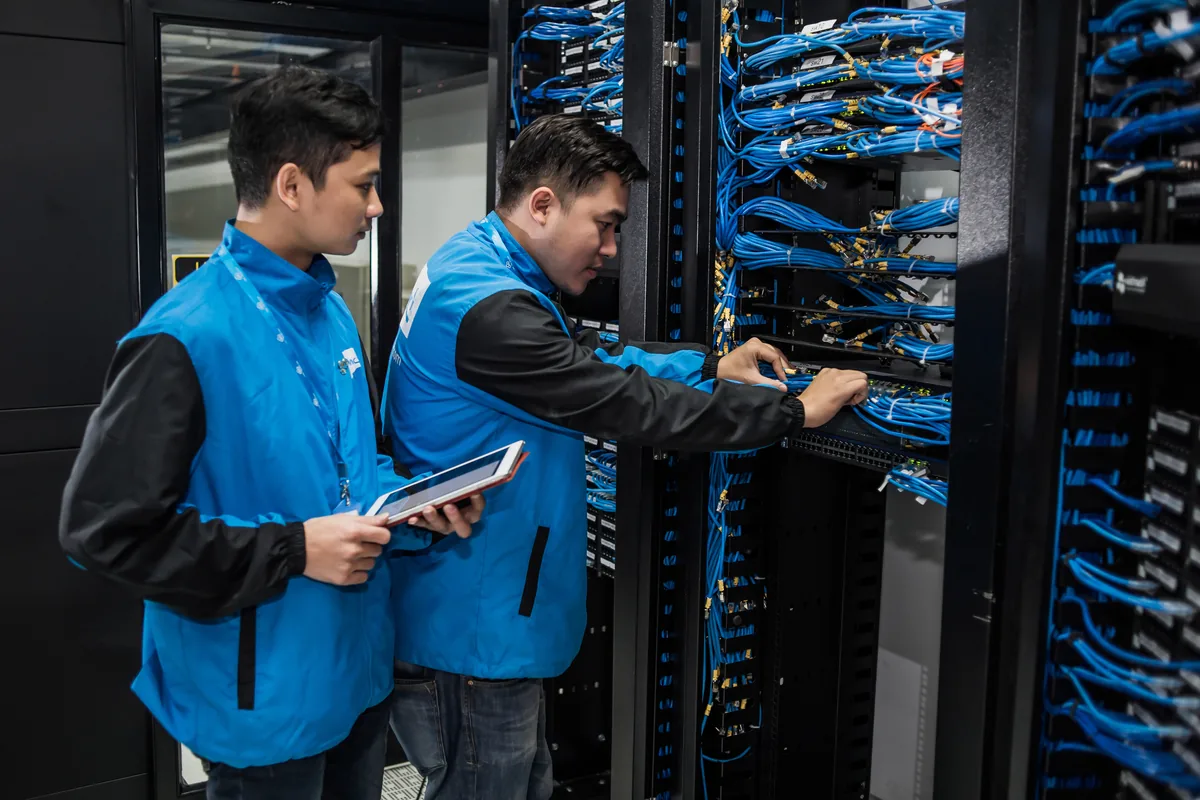
Three stories landed in the cross-border world this week. On their own they look unrelated. Read together, they rhyme: Chinese companies going overseas are quietly shifting from selling products to selling the ability to run a business. One automates a merchant's busywork. One plants a warehouse in Europe's backyard. One sells its AI video model to half the world. Let's take them one by one.
First, AliExpress flipped its AI agent to everyone. Back in September it tested a 'one person, one country' smart operations agent in a few growth markets; this month it went fully live for all sellers. The agent handles three chores on autopilot: translating and polishing listings for local languages, signing the store up for platform campaigns, and matching the right logistics route.
Previously a single operator juggled three sets of languages, promotions and shipping rules for Korea, Brazil and Europe. Now the agent absorbs that repetitive load. The proof is on the Double 11 scoreboard: on day one overseas, Brand+ transaction value was up more than 200% year on year, and branded order penetration crossed 50%.
The EU market's branded volume rose 181%, while the US and Korea each grew over 4x and Brazil doubled. In October AliExpress said it would push this AI capability into even more markets. In short, it is not selling goods; it is selling the operational muscle to run a cross-border shop.
Second, SHEIN is pouring 500 million euros into Poland. On November 4 the company said it would expand its European logistics hub near Wroclaw in 2026; with earlier spending, its cumulative Polish investment reaches 1 billion euros. That is the single largest slice of its 3 billion euro Europe plan.
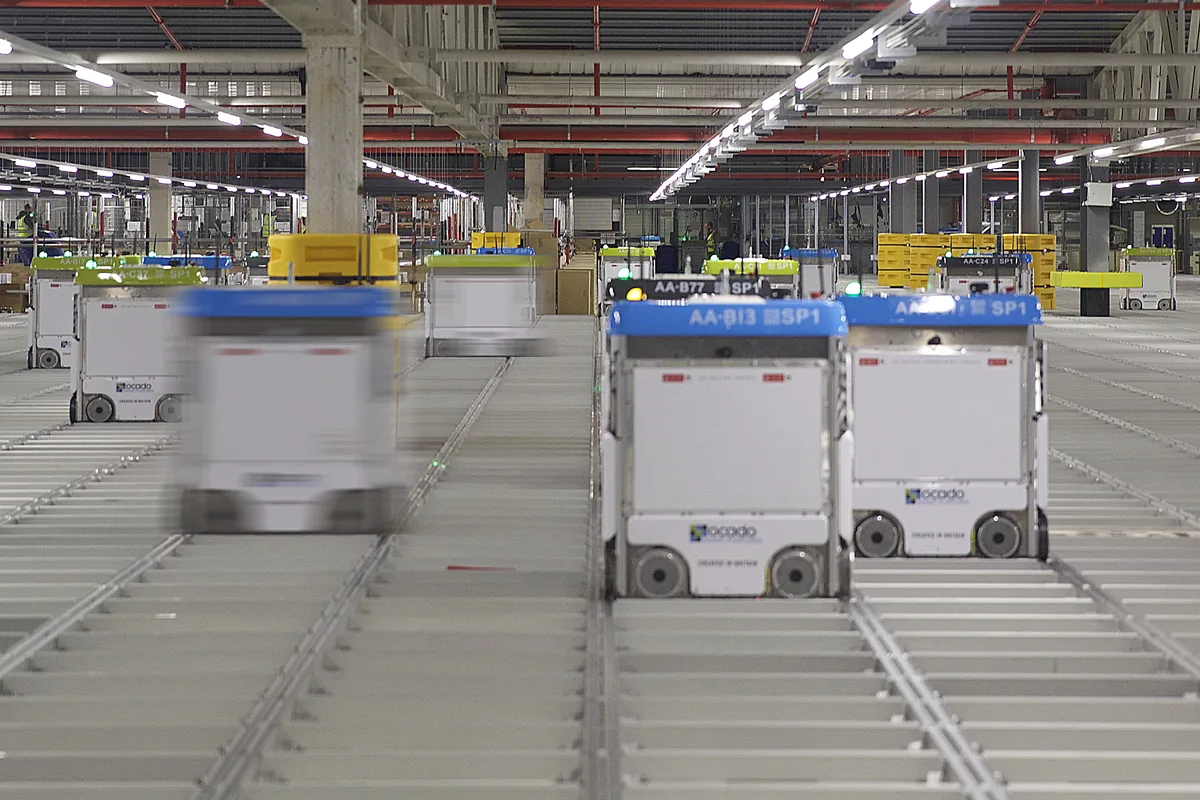
The scale is staggering. By November 4 the Polish sites already employed about 8,000 people, with 2,000 more hired by year end, crossing 10,000. Over 6,500 of its own robots are in use. SHEIN already runs 20 warehouses in Poland totaling roughly 1 million square meters. Some European shoppers now receive orders within two days.
From 'parcel air freight' to 'stock parked next door,' SHEIN is selling fulfillment: it compressed European delivery from cross-border mailing into a local 48 hours. The playbook is simply its domestic supply-chain discipline, copied onto foreign soil.
Third, ByteDance's Seedance earns half its money abroad. On November 3, confirmed by Chinese securities and Shanghai media, the overseas revenue share of ByteDance's video generation model Seedance hit 50%, with overseas revenue up nearly 5x in half a year. Overseas is now literally half the model's business.
It sells at home too: by token usage and revenue, Tencent ranks among the top three China clients and Bilibili makes the top ten, with major internet firms buying at scale. What unlocked the overseas surge was clearing the copyright hurdle. In February, Seedance 2.0 drew a warning from a US film association for generating famous characters; the team then tightened rights filtering and licensing, and only then did overseas open up.
Line the three up and the logic snaps into focus. AliExpress sells operational capability, automating a merchant's repetition. SHEIN sells fulfillment, pushing European delivery inside 48 hours. ByteDance sells creativity, turning video generation into a product that earns abroad on its own.
Their common thread: packaging the digital know-how honed over a decade at home into products, infrastructure and services that run independently overseas. Export used to mean moving Chinese goods onto foreign shelves; now it means dropping Chinese digital capability into the engine of foreign businesses. These three stories are just three echoes of the same turning point.
For anyone in cross-border trade the signal is clear: the next dividend is not about who sells the cheaper gadget, but who lets overseas partners use their capability. Goods are one-time revenue; capability is a subscription. This week China's export quietly changed its engine.





Comments