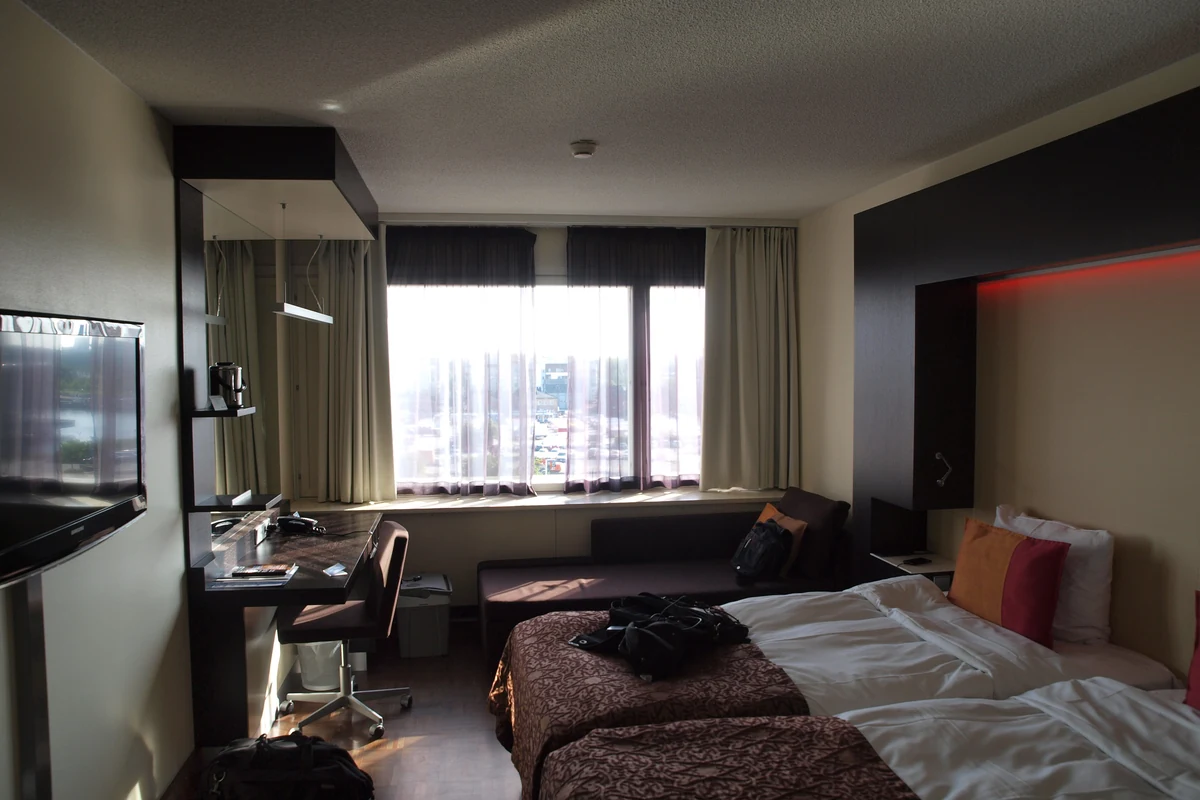
The hardest part of booking a room has never been comparing prices. It is imagining what being there will feel like. Rate, floor area, bed type, breakfast, distance to the station — all of that lines up neatly in a results table. The light in the courtyard at seven in the morning, the way a receptionist hands over a key card, the smell at the end of a corridor: none of it has a column.
Lodging is an experience good in the textbook sense: you cannot fully inspect it before buying, and you cannot return it afterwards. That information gap has sat between guest and operator for as long as the industry has existed. Ratings, star classifications and reviews fill part of it, but they are second-hand summaries at coarse resolution — two properties with the same stars and similar scores can feel nothing alike.
A report released on 6 November puts numbers on the shift. A hotel-industry digitalisation study, produced jointly by a tourism association, a university cultural-resources centre and a lifestyle services platform, cites a companion dataset: over the past year users watched travel-and-stay videos more than 402.5 billion times and ran 67.7 billion related searches. The first figure measures attention; the second measures intent. The 67.7 billion is the one that says the decision chain has moved.
The report frames the change as three transitions: from expanding new capacity to improving existing assets, from basic accommodation to deeper experience, and from shelf-style search to content-led discovery. All three are the same story told at different scales. Supply is no longer scarce; what is scarce is the ability to have an existing space understood correctly and chosen repeatedly. Competition moves from who built newest to who is most legible.
Hence the phrase that travelled furthest from the report: from guest-finds-room to room-finds-guest. Previously a user arrived with a destination already in mind, typed city, dates and budget, and filtered a result page row by row. Now content appears in a feed first — a courtyard, a breakfast tray, a few unscripted words from an owner — and the traveller goes looking for where it is afterwards. Discovery shifts from active retrieval to active reach.
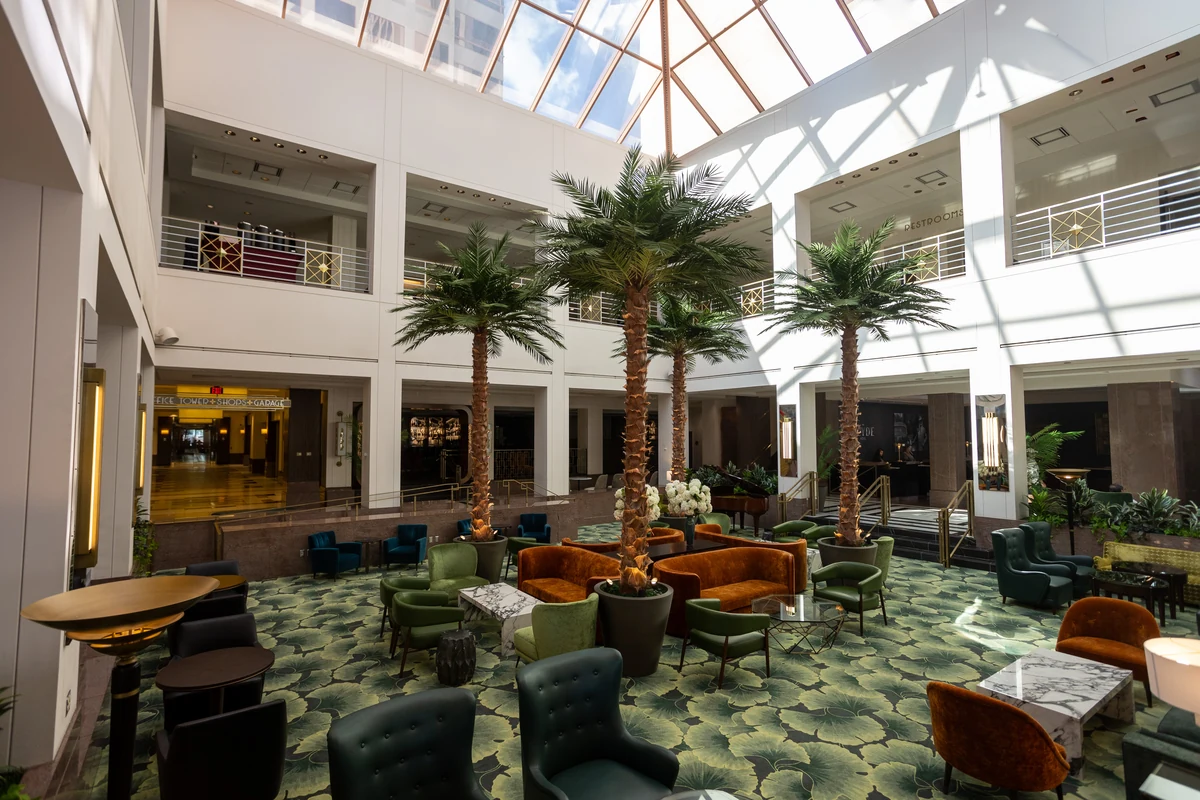
That shift matters more to small independent properties than to chains. On a shelf, visibility is largely purchasable: groups have budgets, loyalty programmes and branded search terms. In a feed, a clearly filmed real space and one memorable detail can earn comparable exposure. The report calls this an equal chance to be seen, which is optimistic, but the direction is real.
Video fits experience goods because it delivers part of what cannot be described in advance. Spatial atmosphere, service detail, the neighbourhood, guest-shot clips — all become perceivable before check-in. Travellers get ideas and, more usefully, a better sense of whether a room type or package actually suits them. Operators move from waiting to be searched to reaching potential guests directly. Lower decision uncertainty is what reduces friction at conversion.
None of which means 'make it look pretty'. The report keeps returning to honesty and authenticity as the floor, for a practical reason: expectation gaps on experience goods are settled immediately. The more filters inflate the promise, the more specific the disappointment on arrival, and the faster it turns into a photographed bad review. The first discipline of content operations is simply not to mislead.
One chain in the report deserves unpacking: seed interest, convert, add value, retain. Splitting a single impression into four stages is a way of refusing to score content by same-day transaction value alone. A tourism association vice-chair puts it more plainly: turn traffic into experience value guests can actually feel, move from selling rooms to delivering experiences, from chasing traffic dividends to building durable assets, from single-property revenue to shared ecosystem value.
The unit of measurement changes with it. RevPAR, occupancy and average daily rate all describe one-off transactions. Once retention is counted, repeat stays, the share of returning guests and the number of people a property can reach again without buying an ad become metrics to watch. A university cultural-resources director goes further: content operations are not one more sales channel but a systematic restructuring of how value is created in the industry.
A second report released the same week corroborates this from the capital side. Fixed-asset investment sentiment in tourism rose 4.2% year on year over the first three quarters, yet the share of new heavy-asset projects fell while renovation of existing stock and content innovation rose. Investor preference moved from resources plus capital toward operations plus content, with more weight on cash flow, operating capability and verifiable returns. Money stops piling into new buildings just as content becomes the new discovery entrance — two faces of one adjustment.
Operationally, the most concrete consequence is that operations move upstream. If content is supposed to show real experience, then something worth filming and worth talking about has to be designed into the space and the service flow before opening, not patched in afterwards by a marketing team. The report's warning against heavy construction and light operations is exactly about sequence: first an experience worth recording, then content worth spreading.
New dependencies arrive with it. Hand the entrance to a platform and you inherit algorithm swings, rule changes, live-stream price anchors pressing on normal room rates, and the harder question of who owns the guest data. Room-finds-guest saves the cost of finding guests; the price is that part of the relationship is stored in somebody else's system. Whether retention becomes an asset the property actually holds is the part most easily buried under slogans.
So the question this report leaves behind is not whether to make short videos. It is what happens after you are seen. Content solves the entrance; product and operations solve the return. Fix only the first half and traffic arrives quickly and leaves just as fast.



Comments