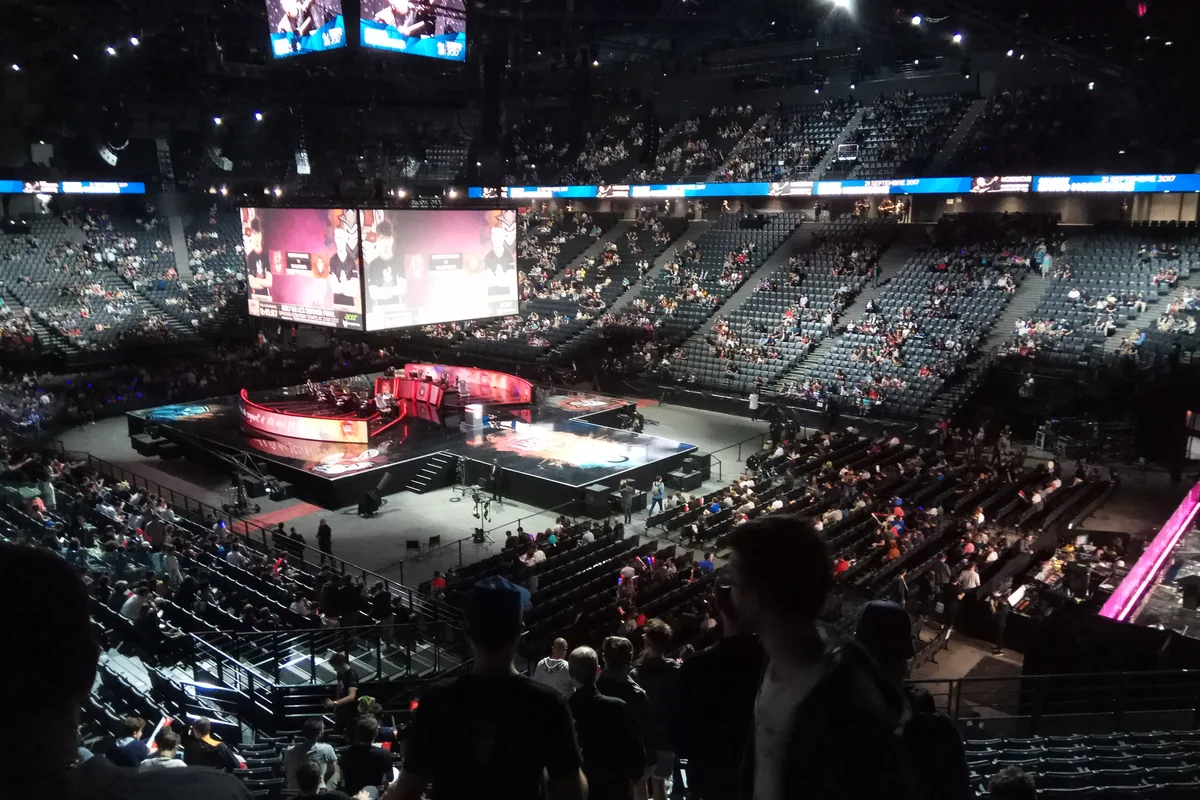
Let's start with the headline. The annual report from China's game publishers association puts the actual overseas revenue of China-made online games above $18.5 billion, held there for years after first crossing the $10 billion line. That is bigger than the film industry of many countries.
Many assume Chinese games swept into Southeast Asia first. The opposite is true. The real spending sits in mature markets: the United States alone takes more than 31% of overseas revenue, Japan over 17%, Korea close to 9%. The rest is Europe, Latin America, and the high-rolling buyers in the Gulf region.
The latest earnings season backs this up. In the third quarter, overseas revenue from self-developed games reached $5.772 billion, up 15.6% year on year; the first half hit $12.372 billion, up 30.22%. Domestic revenue in Q3 was about $13 billion yuan, up just 5.1%. Side by side, overseas remains the industry's strongest engine.
The share is sharper still: among the top 100 global mobile-game publishers by revenue, Chinese firms climbed from 35% to 42%. So for roughly every $10 spent on mobile games worldwide, over $4 lands in a Chinese company's pocket. This is not scavenging; it is a head-on win.
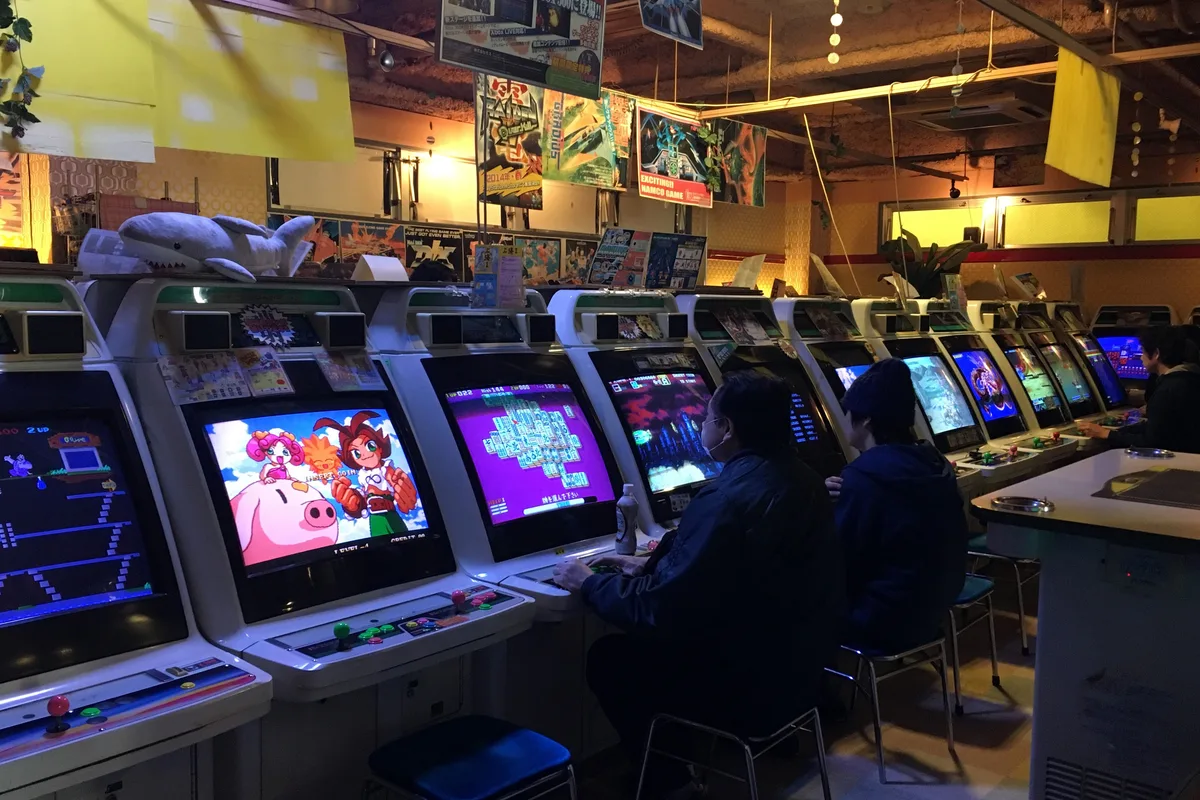
One of the week's biggest stories: Tencent's TiMi studio, with Capcom's license and supervision, launched the global server of Monster Hunter: Travel. Pre-registrations passed 15 million before launch, and once live it lit up Japanese players.
On October 31 the game hit number two on Japan's App Store top-grossing chart and number one in Taiwan, topping both free charts; Hong Kong's top-grossing chart went to number one and Korea's free chart to number one too. A 'Chinese team handling a Japanese national IP' combo turned the script around and planted a Chinese-made game inside the hometown of console giants.
The next two months will overcrowd any otaku's calendar. On November 26 Mochi's Blue Protocol: Star Resonance opens its beta; on December 4 miHoYo's life-sim Stardust Valley launches; on December 14 Happy Elements' Silver City goes global with Unreal Engine 5 and over 15 million global pre-registrations.
And more: on November 5 miHoYo announced a new Honkai IP title, Honkai: Nexus Anima, with a third test on November 25 and a full launch in spring 2027, timed to the IP's 15th anniversary. This urban-plus-monster-catching title also broke an old industry rule, dropping individual values and lowering gacha barriers, clearly aiming to reshape the formula.
October's global mobile revenue chart raised eyebrows. Honor of Kings held the top at about $1.066 billion, no surprise; the surprise was who followed. Whiteout Survival sat second at about $758 million, a strategy title nearly three years old with an almost flat revenue curve. Third was Lemon Micro's Romantic Restaurant.
The publisher ranking is the real tell: Lemon Micro number two globally, Point Interactive number three, Tencent number four. Lemon Micro's 'merge plus story' puzzle hooked huge numbers of European and American women and kept growing four years in. Point Interactive, through Whiteout Survival and Dream Star Kingdom, bloomed on both strategy and casual lines with sizable overseas cumulative revenue.
One more fun note. 37 Interactive's Crazy Water World rode a gloriously absurd AI-drama ad to domestic fame, a raft at sea, a bald chubby guy, a wall-phasing gag that viewers mocked yet could not stop watching. Abroad it did better: after an August launch it topped the App Store free charts in Japan, Korea and Taiwan on day one; in September its overseas revenue growth led the world, with Japan, Korea and Taiwan together contributing over 80% of overseas revenue, and overseas now 60% of the game's global income.
So stop picturing games overseas as a niche foreign-exchange earner. $18.5 billion, a 42% global share, and a national IP rebuilt back into its homeland: Chinese games quietly packed content, operations and user acquisition into one bundle and blanketed the world's phones.






Comments