For almost a century, physics textbooks have drawn a clean line: materials are either ferromagnetic, where electron spins all point the same way and produce a familiar magnetic field, or antiferromagnetic, where neighboring spins cancel out and the material shows no overall magnetization. That two-box framework held for nearly ninety years.
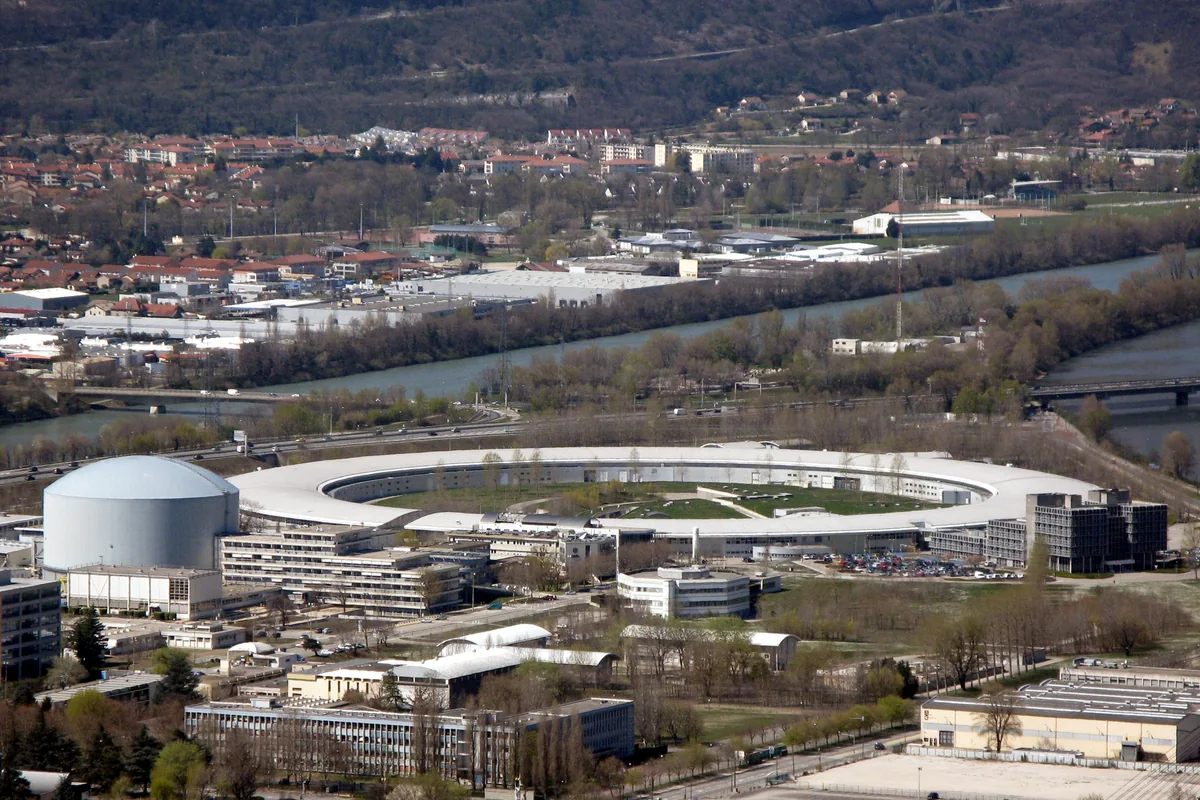
Now a team led by the US Department of Energy's SLAC National Accelerator Laboratory, working with the European Synchrotron Radiation Facility in France, has published what it calls conclusive evidence for a third kind. Reported in Science, the work gives the name altermagnetism to a magnetic phase that had existed mostly in theory until now.
The material at the center of the story is manganese telluride, or MnTe. For decades it sat comfortably in the antiferromagnet drawer. Under the old rules its spins should alternate up-down-up-down and sum to zero. Yet it also displayed a trait long considered ferromagnetic: the ability to carry spin currents, moving information through electron spin rather than electric charge.
The decisive clue was chirality. Think of the handedness of a spiral staircase or a screw, something that cannot be superimposed on its mirror image. The researchers hypothesized that MnTe hides exactly this kind of asymmetry in its magnetic structure, and that this twist is the signature separating altermagnets from ordinary antiferromagnets.

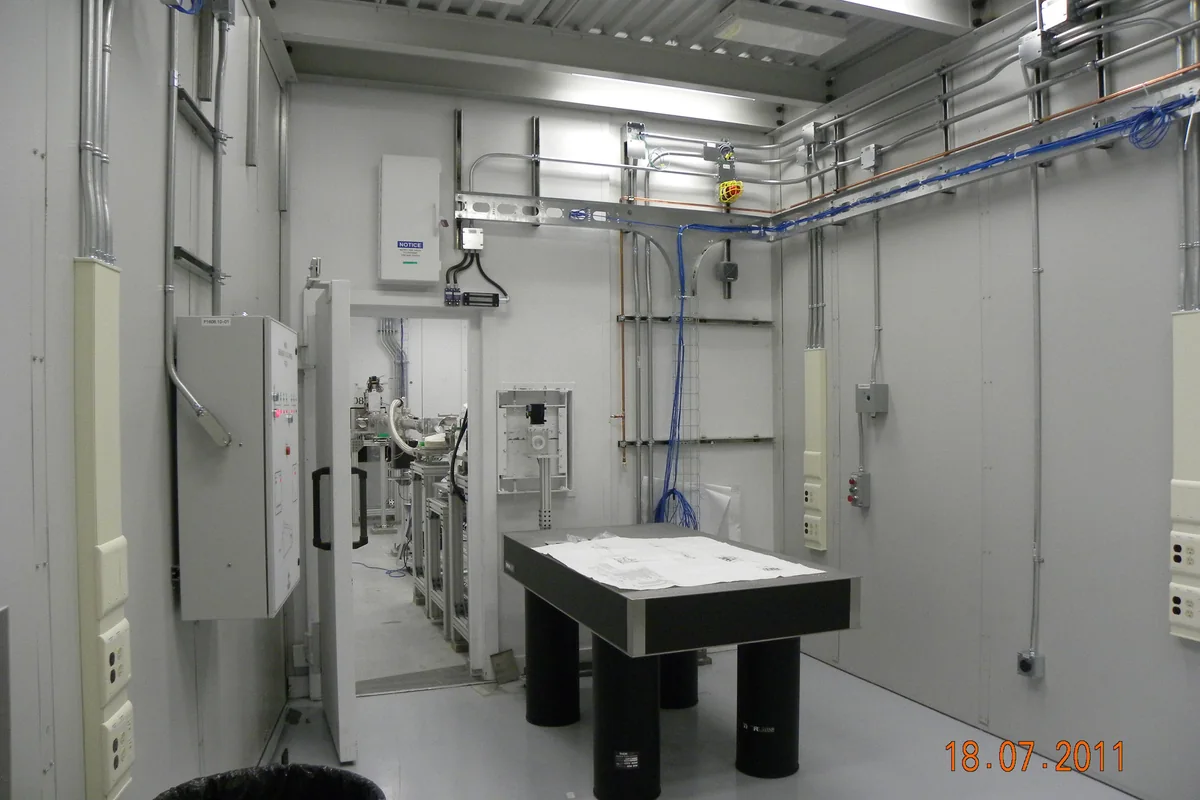
To test it, they took the sample to the ID32 beamline at ESRF and hit it with circularly polarized X-rays. The trick is elegant: a chiral material scatters left- and right-handed polarized light differently, while a non-chiral one treats them the same. The team found a clear chiral signal where a conventional antiferromagnet should show none.
This was not a last-minute measurement. Lead author Daniel Jost noted the first experiment finished in 2024 and was repeated in early 2025 with identical results. That kind of reproduction across more than a year is what lets a claim stand. Co-author Rachel Nickel, who helped design and run the experiment at ESRF, called the speed of confirmation remarkable.
So what makes the third type special? The geometry of the crystal. An altermagnet still has alternating spins and no net magnetization, but the lattice surrounding the up spins is rotated relative to the lattice around the down spins. That subtle twist breaks a symmetry and changes how electrons behave, marrying the advantages of both older classes.
That is precisely why engineers are interested. Ferromagnets are easily disturbed by outside magnetic fields, while antiferromagnets are so quiet they are hard to read and poor at driving spin currents. An altermagnet combines stability with the ability to generate the spin-polarized currents needed to extract information.
The application list reads like a blueprint for the next generation of computing: advanced memory, more energy-efficient data centers, and quantum technologies that lean on spin rather than charge. Spintronics, the field that wants to build hardware from electron spin, gains a new design space.
A dose of realism is warranted. The paper confirms that this magnetic behavior is real, not that a working device is around the corner. SLAC is clear that practical machines have not been demonstrated, and the next step is learning to control altermagnetic states with light and electricity.
The work was partly supported by the DOE Office of Science, and the crucial X-ray measurements happened on European soil. A collaboration across the Atlantic ended up moving a material misclassified for decades back to where it belongs.
If you picture magnetism as a table, it had two rows for ninety years. Today a third row has been added with some confidence. For most people nothing changes tomorrow, but for scientists studying how information and energy flow through matter, that extra row means a whole new landscape to build in.

Comments