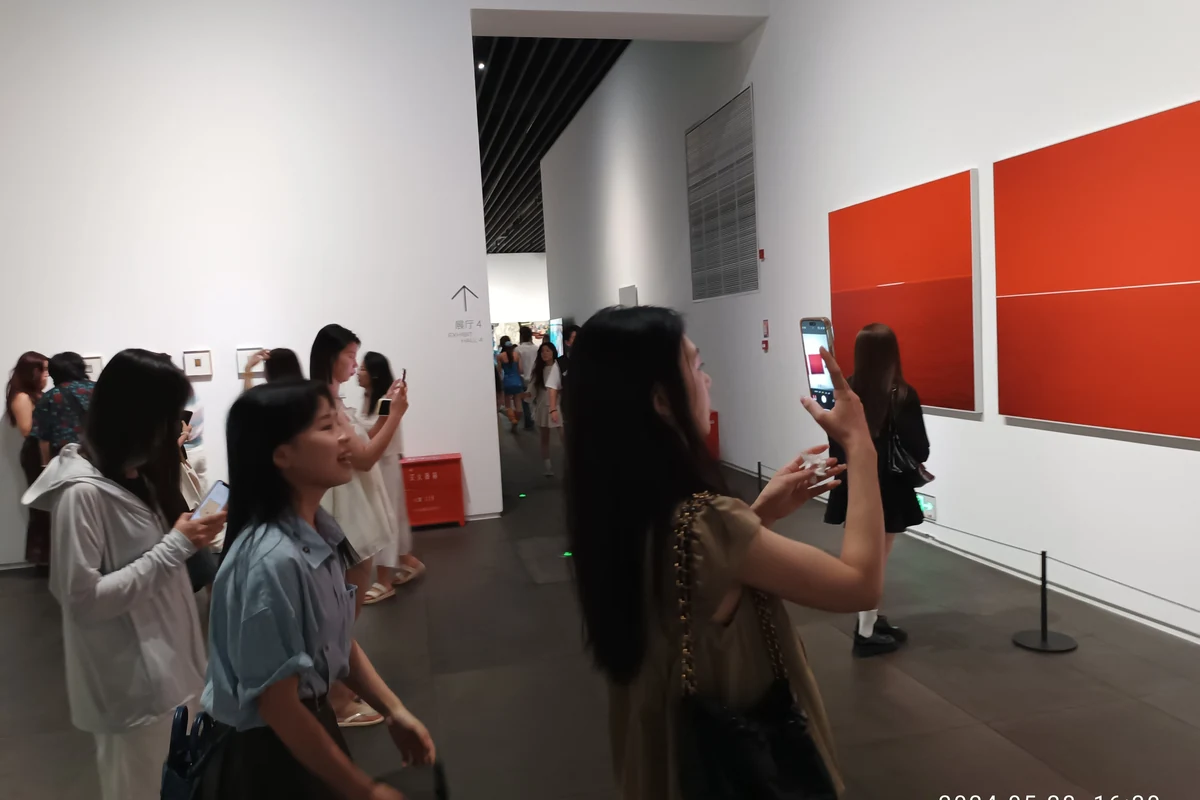
The mid-range series unveiled on November 9 spent most of its teaser budget on imaging. The headline claim is a full-focal-length 4K live photo whose capture window doubles from roughly three seconds to six, paired with a periscope telephoto camera across the entire lineup. Neither number is startling; together they are rather revealing.
Start with the longer window. A still photo competes on the instant the shutter fires; a live photo competes on the slice of time around it. What it records is not the frame but the part just before and just after, because the frame people actually want is often half a second earlier than their reflex.
Doubling three seconds to six sounds like a bigger buffer, but it is a chain of engineering bills. The sensor must stream a higher bitrate continuously, stabilization has to hold over a longer interval, encoding and writing must finish without heat or dropped frames, and the gallery has to help someone pick a usable frame out of a longer clip. Skimp on any link and the feature becomes available but unused.
The phrase full focal length is subtler. Live photos have usually been confined to the main camera, reverting to a still as soon as you switch to telephoto. Supporting long captures at telephoto means exposure, white balance and timing must be aligned across cameras, which tests the consistency of an imaging system rather than the brightness of one lens.
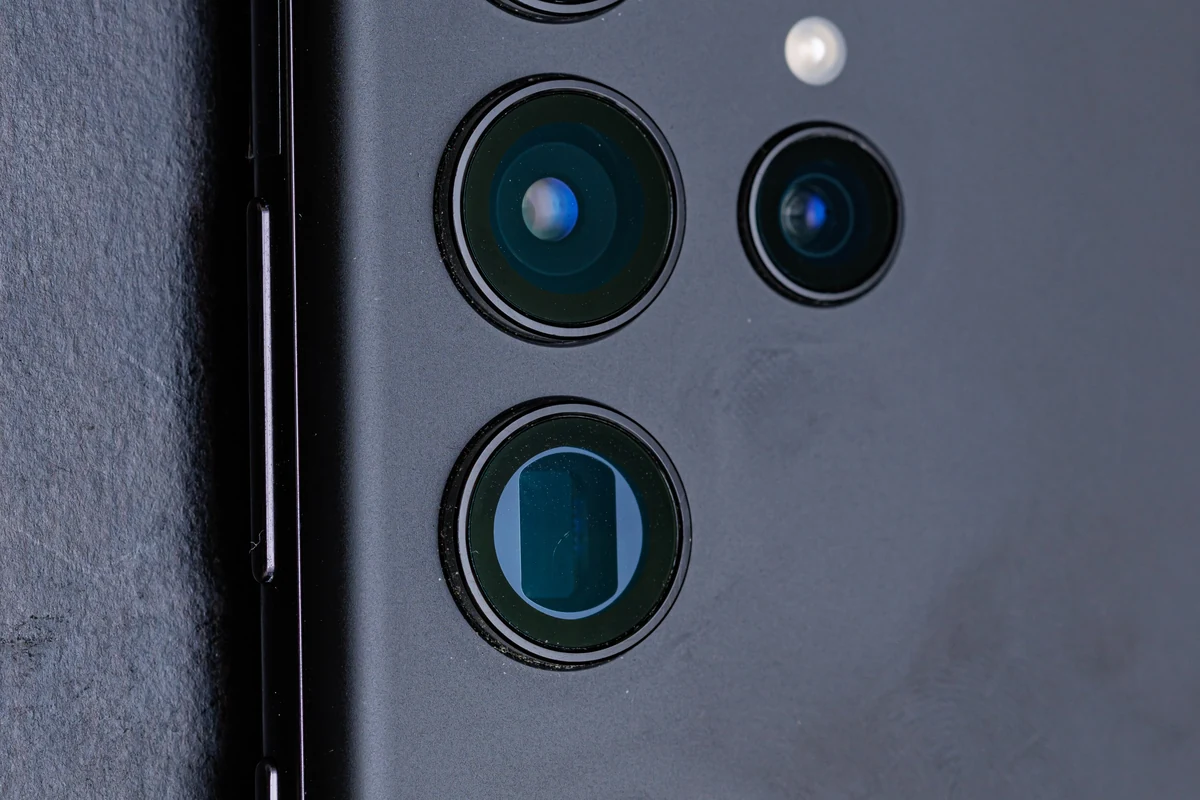
Then there is the periscope moving down-market. The folded optics that bounce light through a prism were once among the most expensive, space-hungry and marketable parts of a flagship. Their appearance as standard equipment in a mid-range line usually signals two things: modules and algorithms have scaled enough to fit the cost sheet, and the era when one telephoto lens separated a flagship is nearly over.
That is good for buyers and harder for choosing. When telephoto stops being a dividing line, experience is separated by things that never reach the spec sheet: whether the telephoto quietly falls back to a main-camera crop in low light, whether exported clips survive social platforms as something other than a blurry loop, how much storage six seconds consumes, and how long the body holds up after a burst.
One smaller feature in the teaser deserves attention: photograph the Wi-Fi sign on a cafe wall and the connection completes, removing the ritual of copying a long password and checking it character by character. A dedicated key turns bookkeeping into one step as well, reading the amount, date and category off a receipt and syncing them. Neither showcases generative models; each compresses a fiddly task from seven steps to one.
They are worth isolating because they represent a different product judgement. The loudest phrase of the past two years was putting large models on devices, yet what gets used repeatedly is usually what needs no wake word, no phrasing and no waiting: point, press, done. The measure of intelligence is drifting from how complex a task can be to how many small actions disappear.
Finish and timing carry information too. Three soft, dessert-toned colours were framed explicitly as wardrobe choices, the launch sits just before a major sales period, and a watch and tablet opened for reservation alongside it. A mid-range phone is no longer a discounted flagship; it competes on taste, on upgrade timing, and on being the entry point to a set of carried devices. Specs are merely the ticket in.

The configuration list reveals trade-offs as well. One variant keeps a compact flat screen with a battery above seven thousand milliamp-hours, while another moves to a larger panel and a different platform. A single series now splits by feel and endurance rather than arranging specifications on a simple standard-versus-Pro ladder, which is closer to how people actually disagree about phones.
A caveat: teaser information and retail hardware are never identical. Telephoto specifications, capture duration and the exact shape of the AI features all need confirming at launch and in review units; preorder windows are also designed to manufacture urgency. Beyond the spec sheet, it is worth waiting for early tests of low-light telephoto, clip export and battery life.
If one upgrade stands for the current state of the industry, I would pick those extra three seconds. It invents no new need; it simply admits that what someone hopes to keep when pressing the shutter was never an instant, but a short piece of life not yet finished. The technology has finally begun designing around that fact.
The shift from who has more megapixels to who removes one hesitation per photograph is quiet, and more honest. It promises nothing about changing the world, only that a movement repeated dozens of times a day gets shorter and more reliable, which is where most technology that people actually keep tends to begin.

Comments