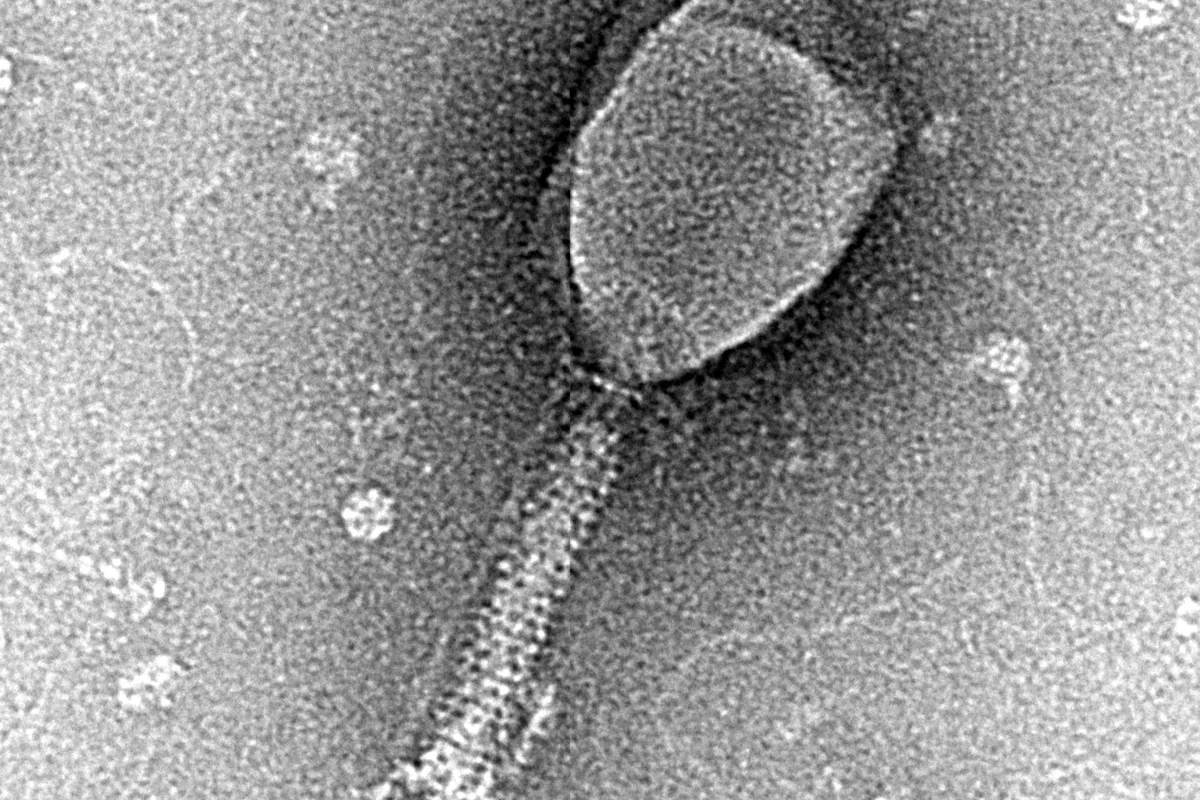
We are used to thinking of viruses as enemies, but a class of viruses preys naturally on bacteria. They are called bacteriophages, usually shortened to phages, and they can lock onto and burst specific bacteria while leaving human cells entirely alone. As antibiotics lose their grip on so-called superbugs, scientists are trying to re-arm this ancient enemy as a new tool against infection.
During 2026, the first coordinated set of clinical guidelines for personalized bacteriophage therapy appeared, assembled by an international group headed by Germany's infectious disease society. The consensus statement, published in Nature Medicine, gives this long-experimental treatment a roadmap for reaching hospitals and clinics.
The guideline carries real weight: it brought together 20 professional organizations, 18 international experts including representatives of regulatory agencies, and two patient advocacy organizations. Together they wrote more than 60 recommendations covering how phages are selected, tested, manufactured, administered and monitored, plus laboratory infrastructure, quality control, treatment documentation and research priorities.
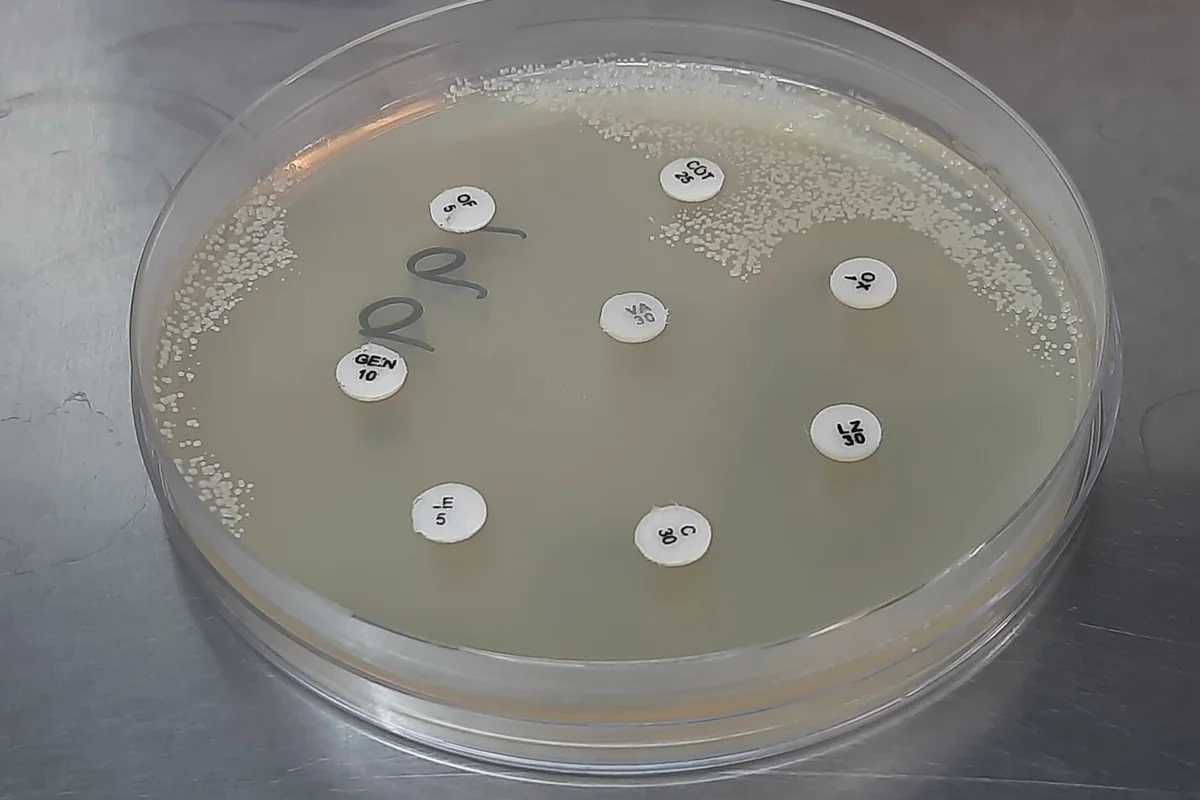
Why now? Because antibiotic resistance is making infections stubborn worldwide. Some bacteria have built defenses against common drugs, and doctors are left with fewer effective options. Phages are interesting precisely because of their precision: they usually attack one species, even one strain, rather than carpet-bombing like broad-spectrum antibiotics.
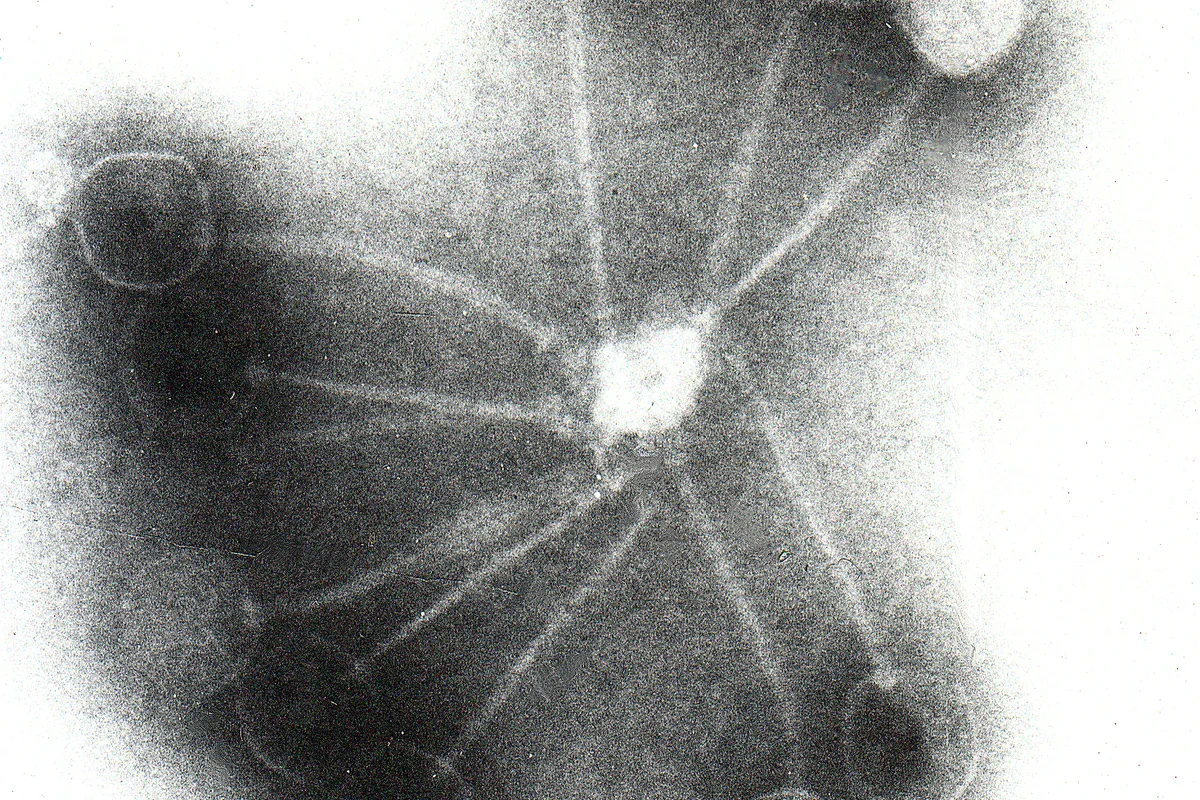
But that precision creates a puzzle. A phage that kills one strain may do nothing to another. So before treatment begins, specialists must confirm that the candidate virus can actually kill the strain causing this patient's infection. The matching process, called a phage match, should happen as fast as possible, because a bacterium's susceptibility can shift during an infection.
The guidelines do not recommend phage therapy as routine care. They call for evaluating each patient and using it only when the circumstances justify it. The honesty is important: controlled trials have not yet supplied enough evidence to show how reliable it really is. Researchers broadly agree that properly made and given phages appear safe, but proving efficacy still needs larger studies.
Early results are genuinely encouraging. In a Belgian case series of 100 people, 77 percent improved clinically and 61 percent no longer showed the targeted bacteria in tests. The authors caution, though, that observational studies cannot prove the improvement came from the phages.
Some hospitals already use it in practice. Since February 2026, Frankfurt University Medical Center says ten patients have gone through its guideline-based phage program with success, aimed at pathogens such as Pseudomonas aeruginosa and Staphylococcus aureus, both notoriously hard to manage.
Delivery shows the personalized side: depending on the infection and the patient, phages can be given intravenously, by inhalation, as a nasal spray, or through a sterile hydrogel. That flexibility is what lets a therapy move from a paper to a bedside.
Holding the system together takes a coordinating network. The guideline highlights PhageNET DZIF, a platform established and coordinated by Annika Claßen, as a hub for exchanging scientific and clinical experience. Pulling microbiology, clinical medicine, pharmacy, manufacturing and regulation to one table is how you see both the possibilities and the limits.
The supporting infrastructure matters too: cases must be documented systematically and entered into registries, testing methods across labs must be consistent, and proficiency must be assessed regularly so results are reliable and comparable. As Dr. Würstle put it, the guideline gives physicians, pharmacists and regulators a common framework for bringing phage therapy safely and responsibly into practice.
The guideline is not fixed forever. Shaped under the AWMF, the German umbrella of scientific medical societies, through a structured consensus process, it stays valid from 5 January 2026 until 29 June 2030, with the responsible committee reviewing it every year.
For the many patients stuck with infections that routine antibiotics cannot control, phages may not be a miracle cure, but they could be another option worth having. Turning viruses back into medicine, the modern version of an old idea, is slowly being assembled from scattered cases into a system people can trust.


Comments