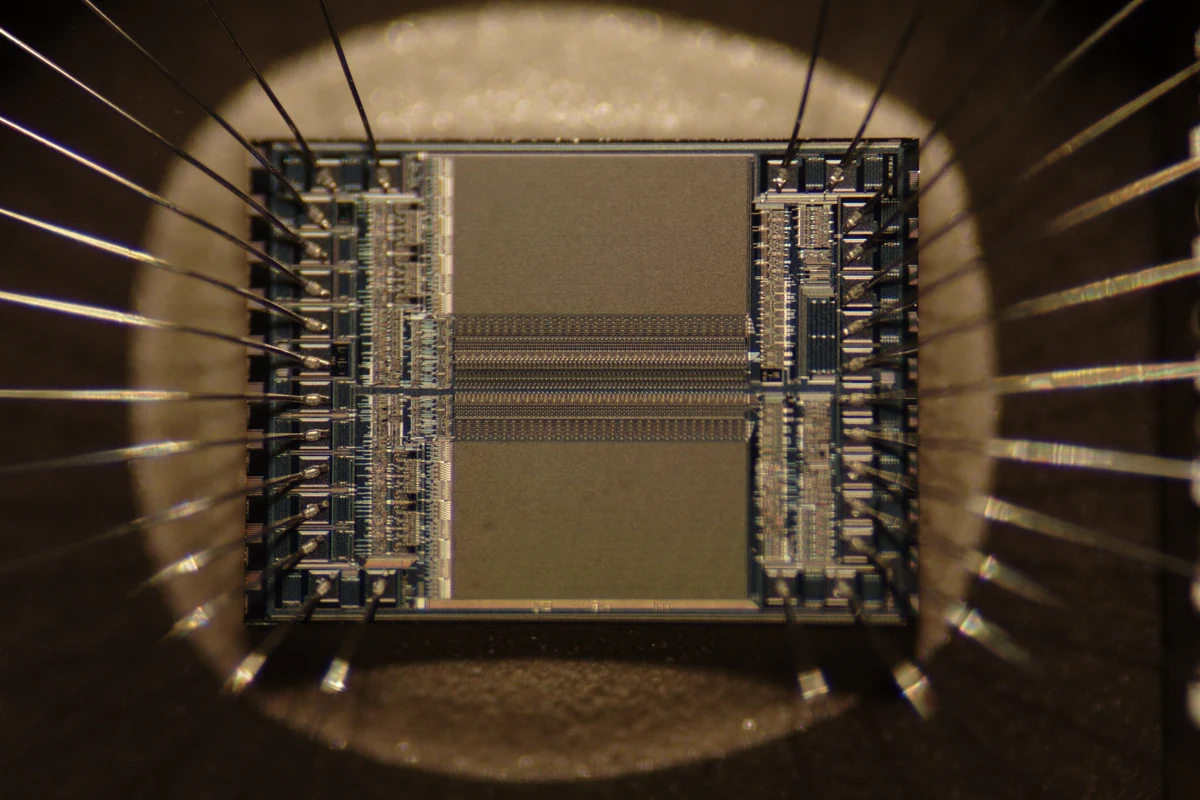
If you think your commute is rough, with two hours of subway transfers every day, you have never met a chip's commute. It leaves a factory on the Chinese mainland, crosses the border into Hong Kong, pauses for a moment, and then rides back home exactly as it came. No processing, no refurbishing, not even the packaging opened. Yet when it returns, two separate ledgers have solemnly recorded its name: one export, one import. Same chip, but on paper its value has quietly doubled. With the APEC meeting shining a light on how Asia-Pacific industries connect, this chip's one-day tour explains the complexity of supply chains better than any chart could.
This is no joke. It genuinely happened over the first nine months of this year. Data shows that over 40% of chips exported from the mainland went to Hong Kong, while more than 80% of Hong Kong's chip exports found their way back to the mainland. A single batch goes out, loops around and returns, rather like a commuter who rides to the end of the line and back just to rack up enough trips.
Here is the delicious part: Hong Kong has almost no wafer fabs and no large-scale packaging and testing lines. In other words, a chip that stops there does not emerge as a smarter, more powerful chip. It is like popping out for a bottle of water and coming straight back out again. Apart from the water in your hand, you are still the same person.
So why take the detour? The answer lives in money and time. Which currency to settle in, how to calculate tax rebates, how goods sitting in a bonded warehouse are accounted for, these are realities more intricate than any science fiction. And so the one-day tour was born: the goods barely move, but the paperwork runs a full lap. Legal, compliant and logically sound, just a little performance art on the side.
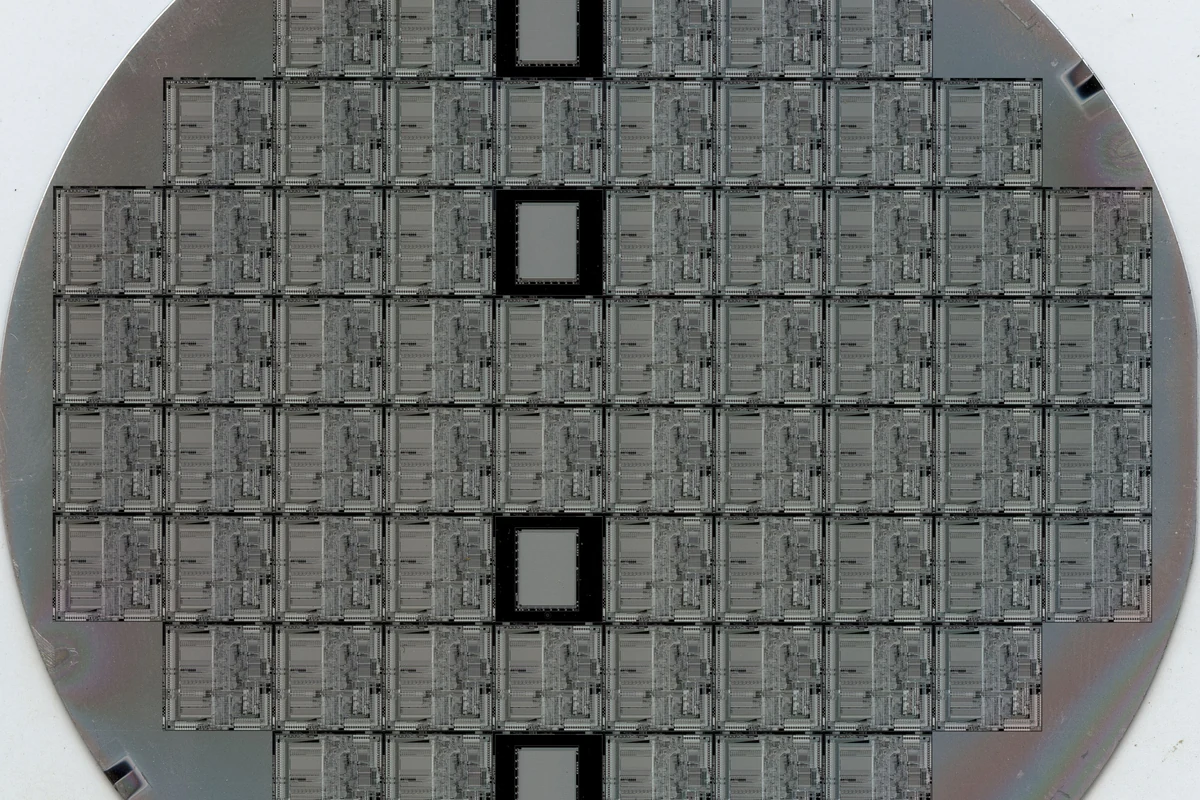
Someone might call this data inflation. Not quite. The two ends roughly cancel out, so the trade balance is unchanged. This is not deception; it is an inflation of scale. Think of it this way: every day you move the same $100 bill from your left pocket to your right, then back to the left. By day's end you have handled $200, but you still have exactly $100 in your pocket. That is the logic of the chip ledger.
Squeeze out the extra water and the numbers look far more modest. One analysis suggests that once double-counting is removed, mainland chip exports in September fall from about $45 billion to roughly $30 billion, putting them roughly level with Taiwan's. Taiwan's figures stay clean because domestic exports and re-exports are counted separately, one chip counted once, as honestly as a person who never bothers collecting loyalty stamps.
Which brings us to the source of all this excitement: artificial intelligence. Once AI caught fire, the prices of memory and high-performance chips went along for the ride. Chip exports swelled on both sides. Behind every machine that chats with you stands a vast array of chips working overtime. You think you are pouring your heart out to an AI; in reality, you are helping a memory maker hit its quarterly target.
A report by FedEx and Frost and Sullivan in October supplied the big backdrop: the Asia-Pacific region generates about 58% of the global semiconductor industry's revenue, with the Chinese mainland the largest single market at roughly 30% of the world total. Taiwan, meanwhile, holds about 60% of global foundry output. In one sentence, most of the pulse line of global electronics runs along this one Asian belt.
The report also forecasts that more than 2,000 data centers will be built worldwide between 2026 and 2035. Two thousand, that is roughly one digital heart for every mid-sized city. These hearts need power, cooling and connectivity, and above all they need enormous quantities of chips to feed them. The chip's grand tour is only going to get busier from here.
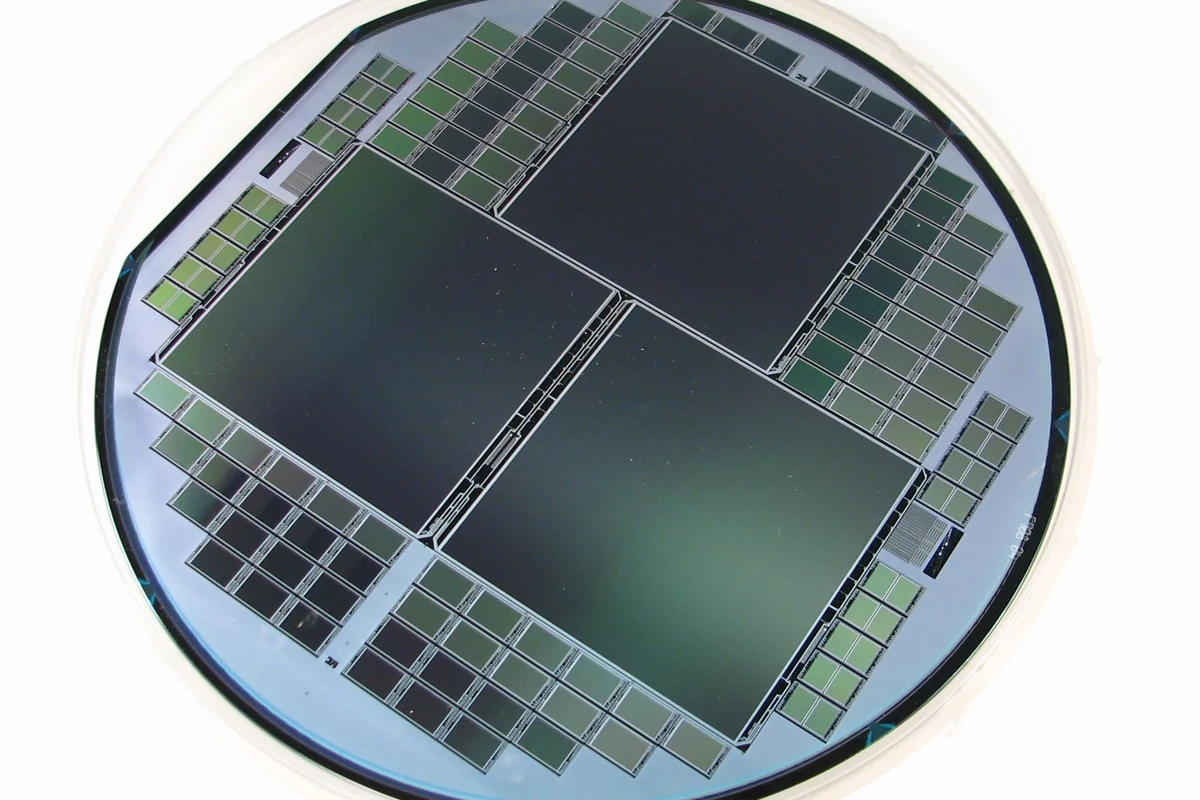
Which raises a question: with so many chips flowing between so many markets, who gets them there on time and in one piece? Logistics plays the matchmaker in this relationship. At an industry event, when a group of professionals was asked what mattered most in choosing a logistics partner, 44% picked faster international shipping. Chips, after all, are unforgiving: arrive a day late and you may miss the entire production window, which is more maddening than a late food delivery.
A bonus fact for the road: electric vehicles devour far more chips than their gas-powered cousins. Add 5G, the Internet of Things, smart glasses and smartwatches, and the demand surface keeps spreading. The watch on your wrist and the specs in your pocket are the tiny end points of a vast industrial chain.
So the next time you see a headline screaming about soaring chip exports, smile first. There is real money in those figures, and also a few loop-the-loop travel logs. It is a reminder that the global supply chain is an exquisite and absurd piece of work: physical goods travel along one line, accounting numbers along another. The two occasionally overlap and occasionally wander off on their own, together composing the magical realism of our era.
And that chip, having completed its lap, is probably sitting quietly on a circuit board right now, helping some machine ponder the meaning of life. It will never tell anyone that it once went on a little trip and left a shadow on two separate reports. It is the most understated traveler of all: it covers the most ground and tells the fewest stories.

Comments