Many people still picture APEC as just one group photo a year. Open up its actual list of results, though, and you'll find the organization's real value hidden in the details: a travel card, a set of faster customs-clearance mechanisms, and a vision written out to 2040.
These tangible results share one trait: they never make the headlines or trending lists, yet they run past you every day — the package you ordered online, your boss's business-trip visa, the import tax and fee costs on your overseas purchases all have something to do with it.
This piece lays the results out one by one; after reading it, you'll look at that group photo with different eyes.
◆ From Bogor to Putrajaya: winding the clock twice
APEC's first real result was setting an alarm clock. The 1994 Bogor Goals gave liberalization two deadlines: developed members by 2010, developing members by 2020. A 30-year review shows average import tariffs across APEC members fell from double digits back then into single digits.
In the pandemic year of 2020, the 21 members adopted the Putrajaya Vision 2040 by video: an open, dynamic, resilient and peaceful Asia-Pacific community, winding the clock again for the next twenty years; the accompanying 2021 Aotearoa Action Plan broke it into assessable blueprints.
The logic behind both clock-windings runs the same way: no binding treaty, but goals and deadlines written down in black and white for the whole Asia-Pacific to watch — the binding force of a promise comes from the spotlight.
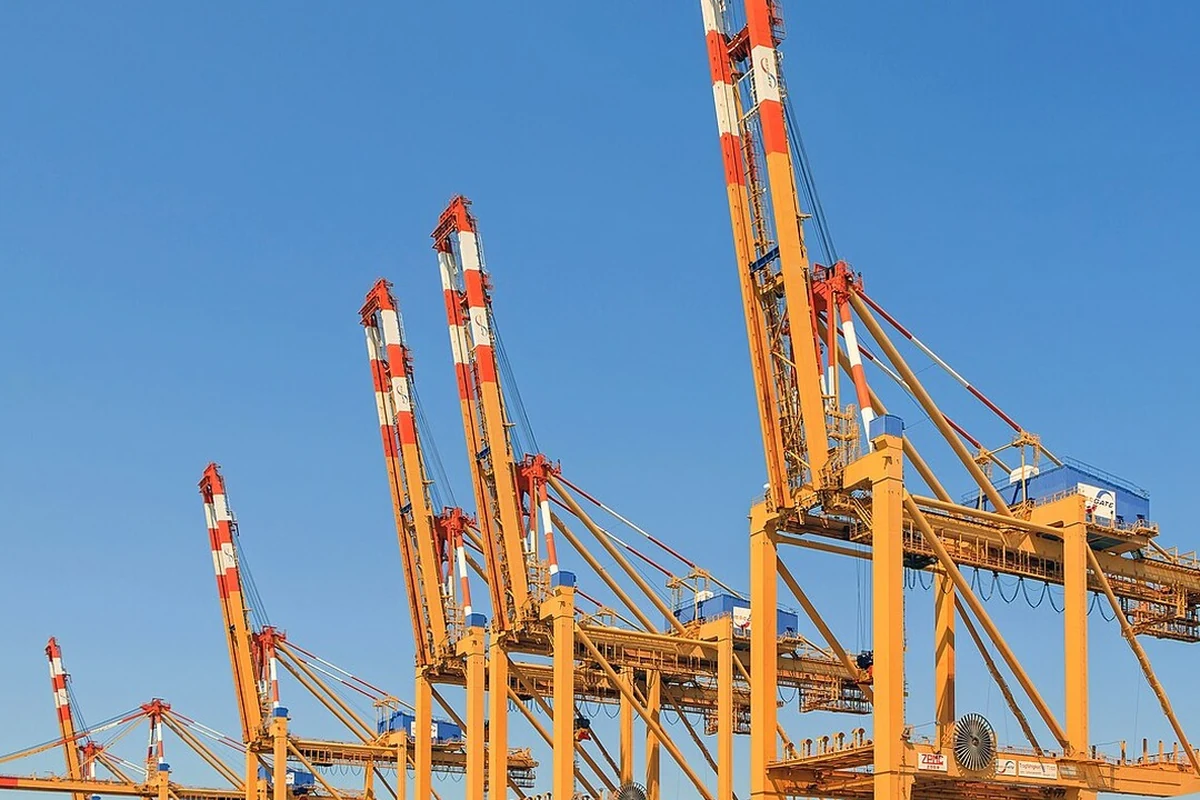
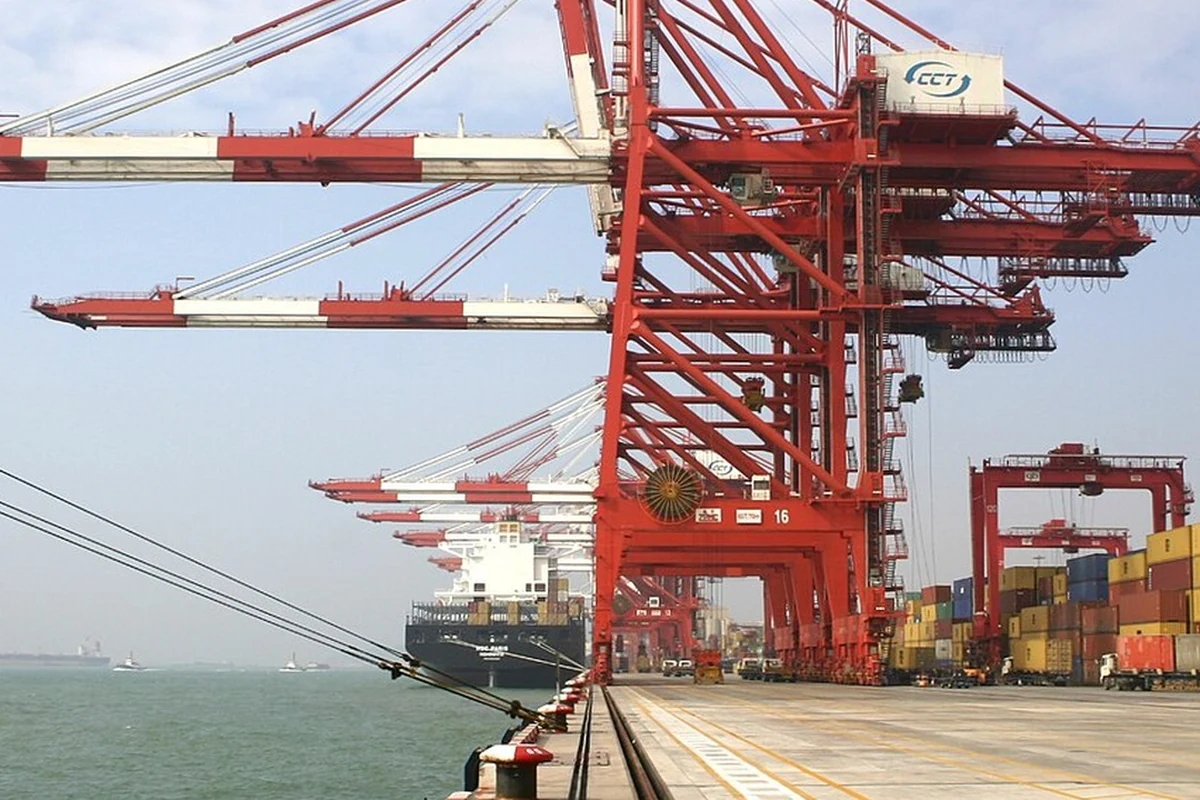
The container-terminal cranes turning day and night are the most visible ticking of that clock.
◆ The magic of one card: the boarding pass for Asia-Pacific business
The 1999 Auckland meeting approved the APEC Business Travel Card. Businesspeople holding it don't need visas for each country, can use dedicated lanes entering and leaving participating members, and may stay up to 90 days per visit — with one card in hand, Asia-Pacific business travel gets an instant speed-up.
The card now covers nearly 20 participating members, is valid for three years and allows multiple entries. Countless foreign-trade bosses call it the boarding pass for Asia-Pacific business — as one old hand who constantly travels between China, Malaysia and Thailand puts it: the paperwork saved in a year would fill a filing cabinet.
Its essence is what APEC does best: no treaty changes, no sovereignty issues, just smoothing the process — the card is the carrier, and behind it, immigration, border control and foreign affairs departments across 21 economies are aligning their rules.
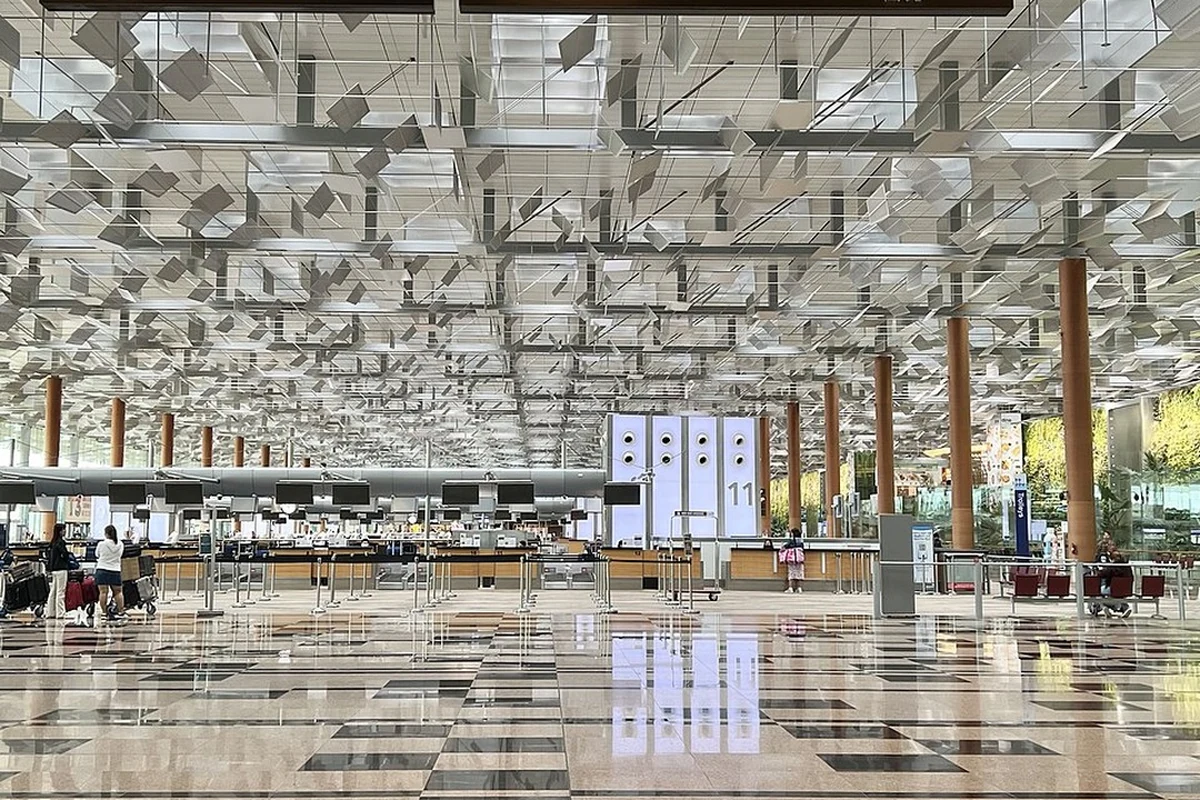
Of the travelers hurrying through Changi Airport's halls, many have this card in their pocket.
◆ Paperless trade and the digital agenda
That 1999 meeting also set a paperless-trade timetable: developed members by 2005, developing members by 2010. Electronic documents and e-customs moved forward steadily, and customs clearance went from three days of stamping to a few minutes at your fingertips.
After 2020 the agenda was upgraded again: smart customs, trade digitalization and cross-border e-commerce went into joint statements year after year; the 2026 Shenzhen meeting put cross-border data flows in the spotlight for the first time, setting up a dedicated cooperation body on digital technology and cross-border data flows.
Do the math and you'll see the value of these years: the Asia-Pacific handles nearly half of global goods trade, so every day cut from clearance time frees up an astronomical amount of capital on hundreds of billions of dollars in trade flows — paperless doesn't save paper, it saves money and time.
The blue lights blinking in data centers are the true backdrop of Asia-Pacific trade today — from fax paper to data streams, APEC has completed two blood transfusions.
◆ The connectivity blueprint: weaving three networks at once
The 2014 Beijing meeting adopted the APEC Connectivity Blueprint, weaving three networks together — infrastructure, institutions and people: building roads and ports, aligning rules, and easing people-to-people movement, with the goal of a comprehensive, multi-layered connectivity framework by 2025.
The same meeting also adopted the FTAAP roadmap — upgrading the second half of the Bogor Goals from liberalization to institution-building for a free-trade area; the 2026 Shenzhen meeting announced steady progress on the FTAAP process, renewing the roadmap twelve years later.
The ledger on the ground is even more concrete: the linking of China-Europe rail freight with Asia-Pacific shipping, progress on electronic mutual recognition, expansion of cross-border payment channels — cargo ships no longer sit stuck in port and customs clearance no longer depends on luck, all moving from vision into daily life.
Nearly half the world's goods trade runs through the Asia-Pacific, and every minute a supply chain runs smoother is hard cash.
◆ The stage for small bosses: inclusiveness isn't just a slogan
APEC has another hidden identity: the champion of small and medium enterprises — SMEs make up the overwhelming majority of businesses in the Asia-Pacific and contribute most of the jobs, with every meeting reserving a special place for them year after year.
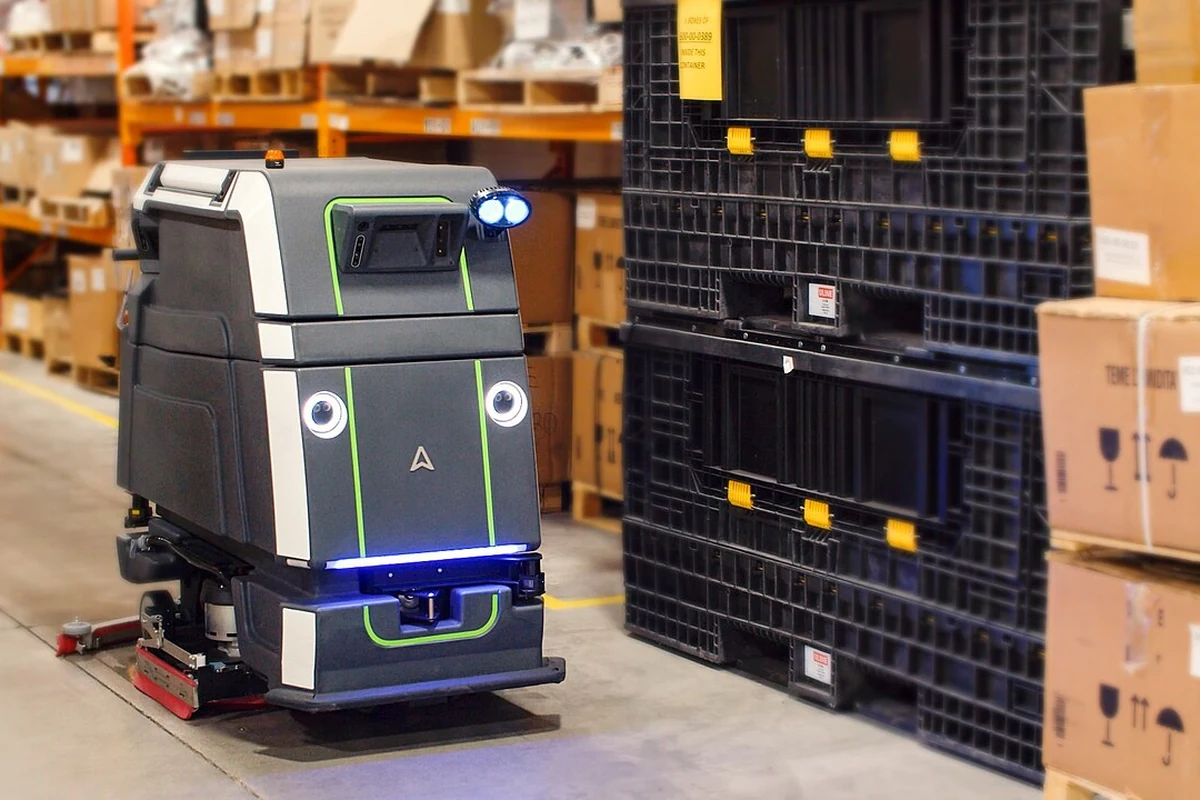
The 2026 Shenzhen meeting carried on the tradition of the Bio-Circular-Green Economy Award: honoring small bosses who turn waste into business, with judges personally giving a thumbs-up; the SME Working Group also set up a permanent cooperation body in Shenzhen, turning support policies into industry matchmaking.
Look at the topic mix of the Shenzhen Summit's business breakout sessions: digital technology, cross-border e-commerce, green energy, SME development — half the agenda was opened for small players: the big companies set the rules, the small businesses get the benefits.
The stall owners in the market, the bakeries in the bazaar — these humble capillaries are the foundation of the Asia-Pacific economy. That's what inclusiveness really means.
◆ The Shenzhen Initiative: a first in 30 years
In Shenzhen 2026, the Chinese side announced steady progress on the FTAAP process, stronger cooperation on trade digitalization, cross-border e-commerce and smart customs, and the establishment of cooperation bodies in digital technology, cross-border data, clean energy and SMEs.
This year's outcome document, the 'Shenzhen Initiative,' is the first issued in initiative form in 30 years — leaders' meeting results used to be declarations or statements; an initiative is a more flexible, more actionable format, and you can weigh its significance for yourself.
Add US$20 million in cooperation funding, the Asia-Pacific Community Research Center, and the World Bay Area Economic Cooperation Alliance — a four-piece package landing all at once, giving the loose mechanism a purse and a brain trust for the first time.
The lights of Shenzhen's port burn all night — the anchor for the Asia-Pacific's next twenty years has been dropped.
The travel card, faster clearance, Vision 2040, the Shenzhen Initiative — APEC's real results have never been in the group photo; they're in the details.
To judge an organization, don't listen to what it says — look at what it has made faster and cheaper.
Those few things are the answer.
This article draws on public reports from the APEC official website and Xinhua.


Comments