APEC members import and export about US$15.3 trillion each per year, accounting for 46.7% and 46.1% of the world respectively — an astronomical figure that sounds abstract, until you break it into a shopping cart: chips, soybeans, finished cars, natural gas, parcels and plane tickets.
These 21 economies also hold half of global manufacturing: the vital point of the chip supply chain, the main artery of grain trade, the export docks for new-energy vehicles, the route maps of LNG carriers — all on this table.
This piece spreads out the order books of the 21 economies for you — every item is connected to your life.
◆ Item one, the heavy hitter: chips
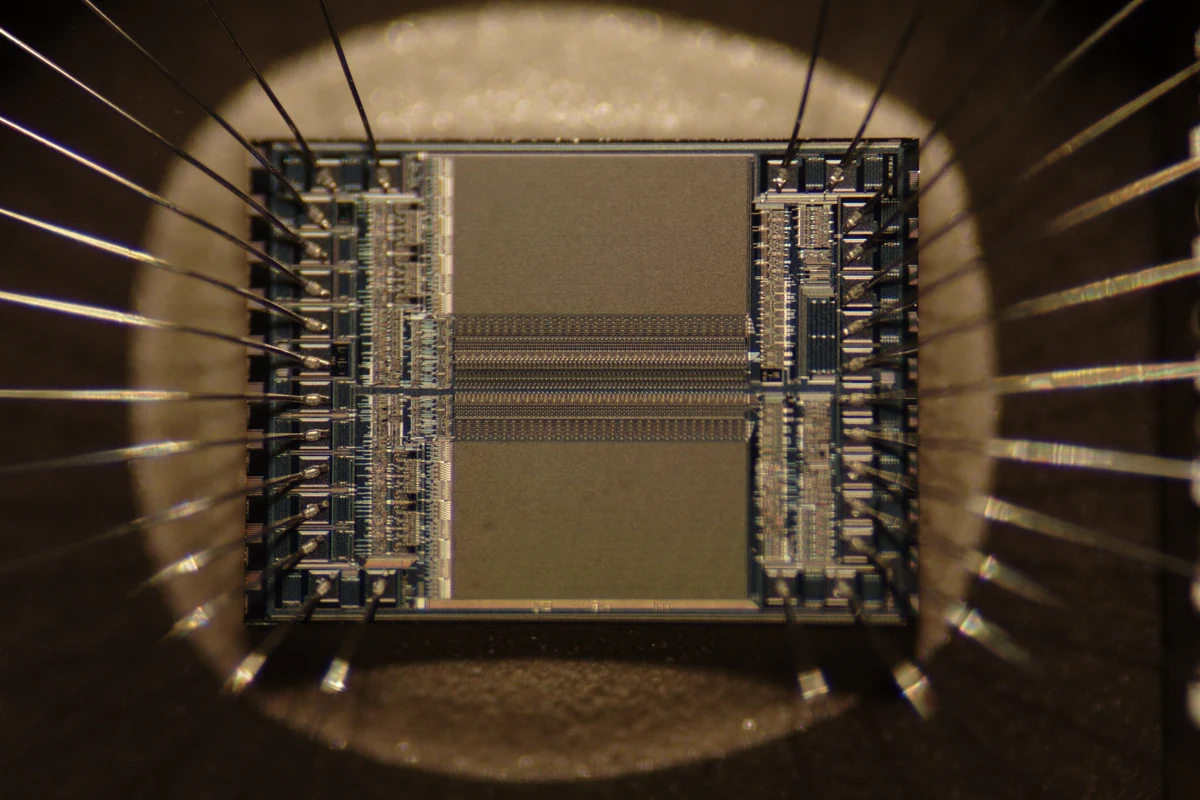
The hardest currency in Asia-Pacific trade is the chip. TSMC alone makes over 90% of the world's most advanced-process chips; add Samsung's memory, Nvidia's designs and Intel's fabrication, and the vital points of the global electronics industry are mostly in APEC members' hands — a genuine strategic resource.
The relay race of the supply chain runs across both sides of the Pacific: the US provides design and equipment, Japan and Korea supply materials and memory, mainland China and Chinese Taipei handle manufacturing, packaging and testing — a single chip crosses borders a dozen-odd times on average before it goes into a phone, and the global semiconductor market tops US$600 billion a year.
So semiconductors are never a minor topic on APEC's issue list: supply-chain resilience, export controls and tariff coordination are hurdles ministerial meetings can't get around year after year — the 2025 Gyeongju meeting even launched the APEC AI Initiative, putting computing power on the agenda right alongside chips.
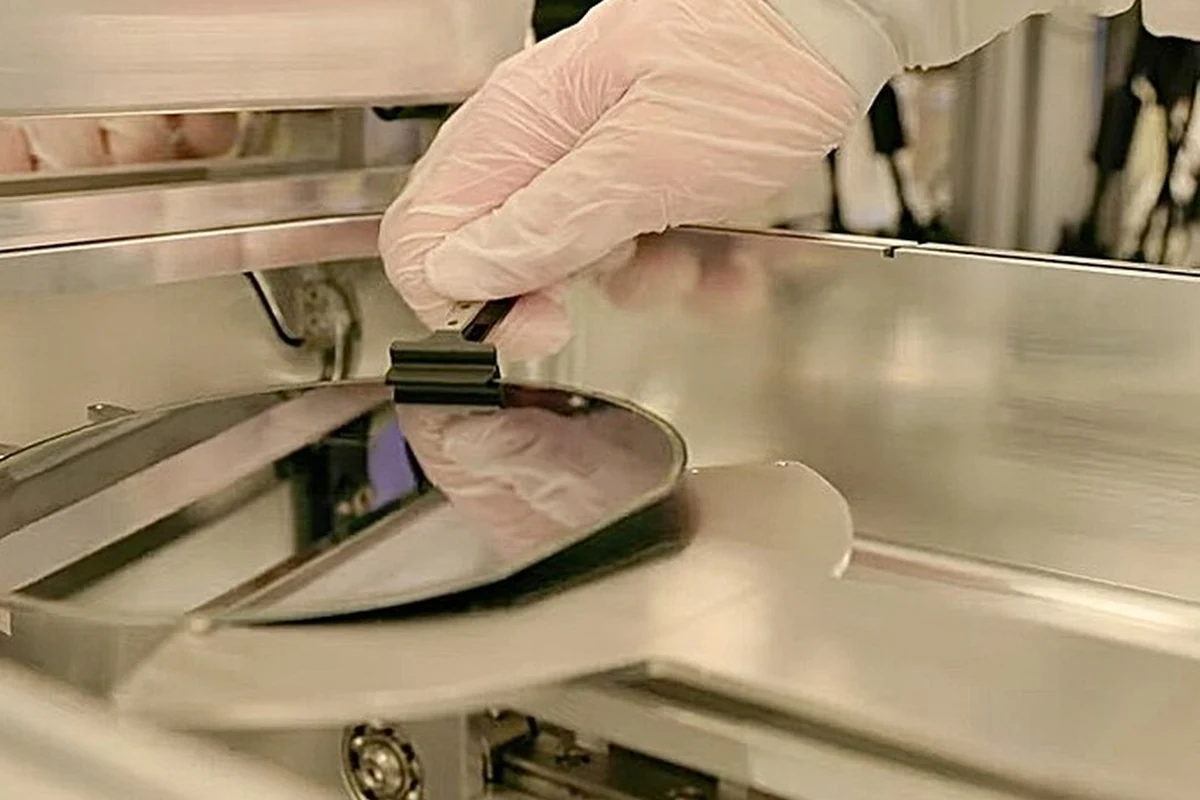
The wafer lifted up in white gloves is densely packed with hundreds of chips; slice it up and you have the brains of countless phones and cars.
◆ Item two: soybeans and the food basket
The second heavy hitter is agricultural products. US soybean exports are measured in tens of millions of tons annually, and crossing the Pacific they become regulars at crushing plants and feeding troughs; China is the world's largest soybean importer — one Pacific Ocean holds both the biggest grain trader and the biggest buyer.
Individual products are even livelier: Thai jasmine rice, Vietnamese coffee — Vietnam is the world's second-largest coffee exporter — and Chilean cherries, riding charter flights and refrigerated ships, each topping the e-commerce platforms' New Year shopping charts.
Behind this order book lie years of negotiated tax cuts and fast-track inspections: food-security thematic meetings are held every year, and the 2026 Shenzhen meeting named them again — a stable food basket is the dinner party's most down-to-earth original intention.
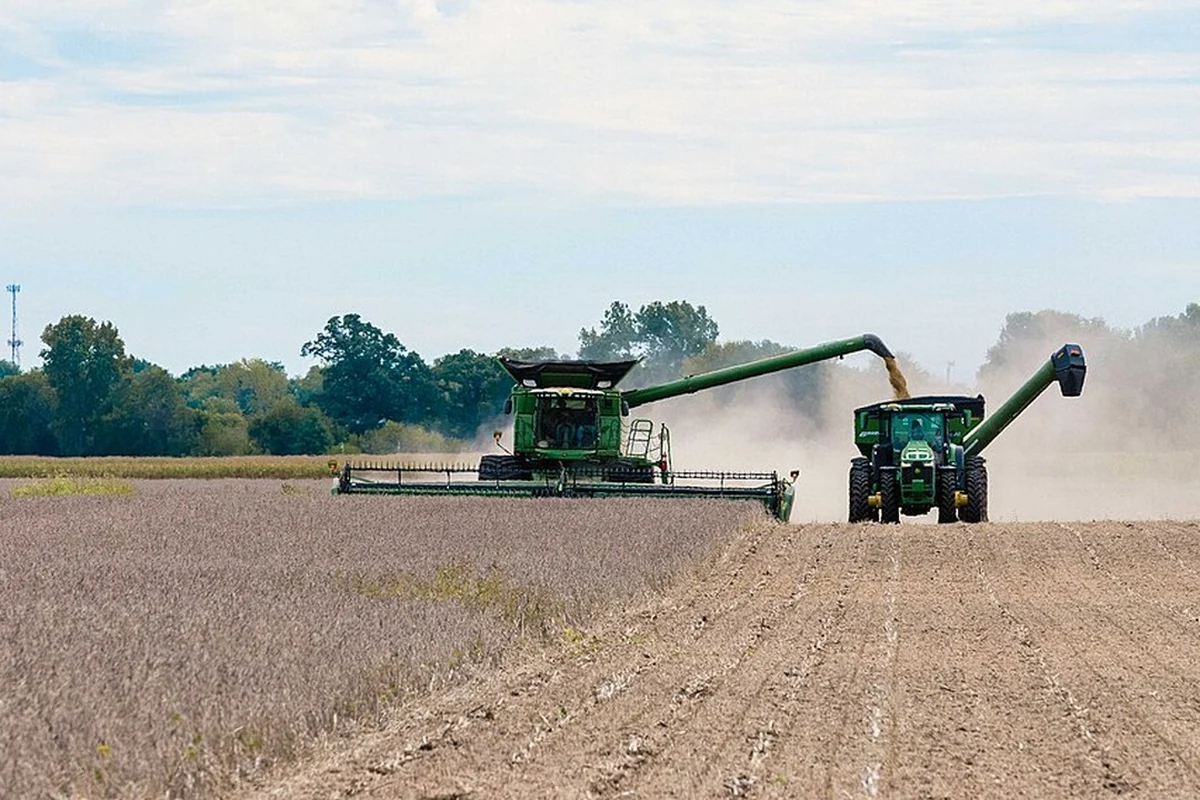
The dust kicked up behind the harvester is the most primitive and most vibrant image of agricultural trade.
◆ Item three: finished cars going overseas
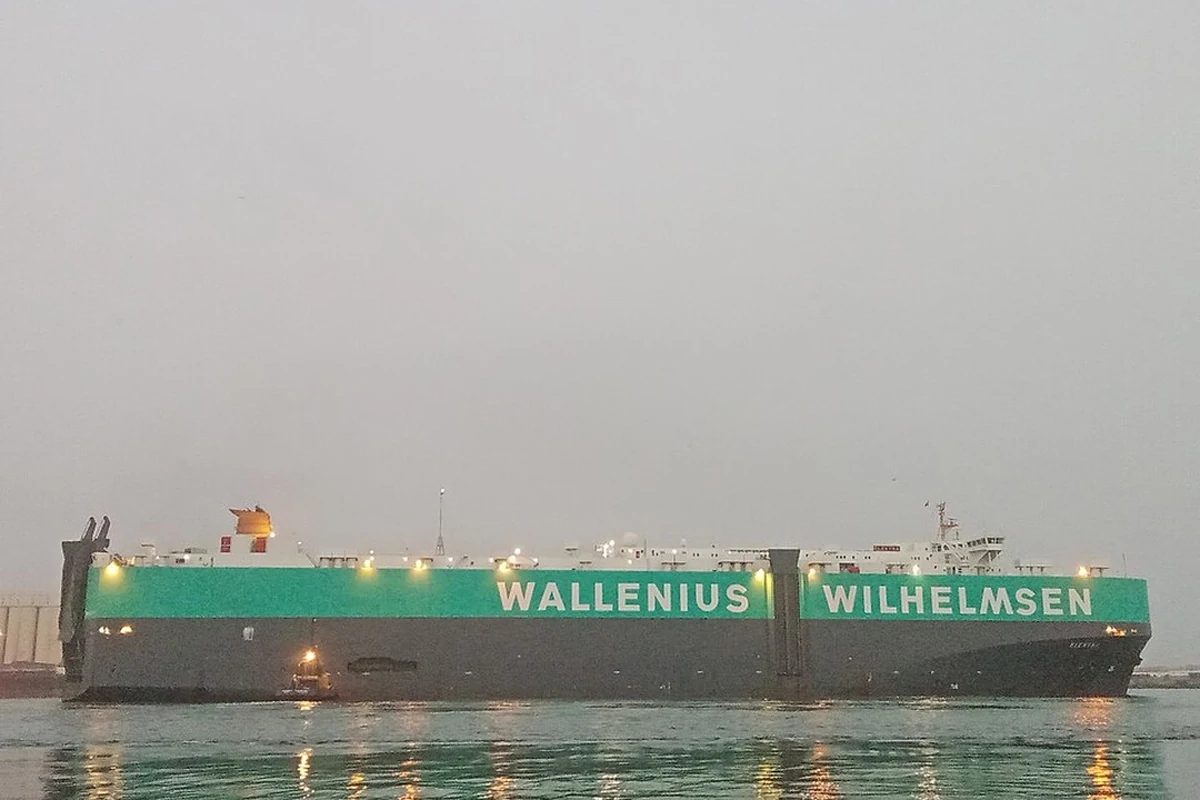
The third item is cars. Japan's Toyota and Korea's Hyundai-Kia have dominated the world for decades; now Chinese new-energy vehicles roll onto ro-ro ships in batches — in 2024 China exported about 5.9 million vehicles, taking the number-one spot globally, with a single ship's belly packed with thousands of cars.
Behind the car trade is a three-stage relay of finished vehicles, parts and batteries: lithium comes from Chile and Australia, batteries are made in China, whole cars are assembled in Asia, then shipped worldwide — a chain long enough to circle the globe, and no APEC member is a complete bystander.
The switch from gasoline to electric has quietly rewritten Asia-Pacific trade manifests: batteries, motors and chips have replaced engine assemblies and gearboxes, and rows of new cars waiting at ports to ship out are this era's most vivid picture of industrial change.
Rows of new cars waiting at the port to ship out are this era's most vivid picture of industrial change.
◆ Item four: the energy gas dragon
The fourth item is energy. Australia is one of the world's largest LNG exporters, with annual exports around 80 million tons, and US LNG exports have been catching up fast in recent years — shipment after shipment of gas carriers sails to Asia day and night, with China, Japan and South Korea the biggest group of buyers.
Round LNG tanks hold the energy lifeline at minus 162 degrees Celsius, and one shipment of gas can keep a city burning for days — the bulk of global LNG trade travels the Pacific routes.
The other side of the bill is transition: clean energy is a buzzword at the 2026 Shenzhen meeting, with digital technology and clean energy named side by side as new fields for cooperation bodies — the age of the gas dragon is switching tracks.
From coal to gas to wind, solar and storage, the manifest of Asia-Pacific energy trade is a microcosm of human energy history.
◆ Item five: the parcel deluge
The fifth item is closest to you and me: parcels. Cross-border e-commerce has broken Asia-Pacific trade out of shipping containers into delivery boxes — fully managed, overseas warehouses, semi-managed, with a new model every year — China's annual cross-border e-commerce trade has long surpassed the trillion-yuan mark and still grows by double digits year after year.
Another angle is even more staggering: thousands of cargo flights cross the Pacific every day, and the sorting belts in airport cargo terminals spin nonstop — small parcels have pieced together a trillion-dollar business.
The rulebook underpinning this business was also laid by APEC: cross-border e-commerce, smart customs and trade digitalization have gone into leaders' meeting documents year after year, and the 2026 Shenzhen Initiative added another layer of official endorsement.
In the time it takes a delivery van to pull over and unload, hundreds of thousands of cross-border parcels may be in the air over the Asia-Pacific.
◆ Item six: people and services
The last item is invisible but the most valuable: people and services. Tourists, international students and business travelers hold up half the sky of Asia-Pacific service trade — in 2019, before the pandemic, international passenger numbers in the Asia-Pacific were counted in the hundreds of millions, and now the airport halls are lined up again.
The bill for services trade comes in more varieties: education abroad, medical treatment, exhibitions, software outsourcing, digital content — a software subscription costing the price of a milk tea can be a cross-border services transaction, completed at your fingertips with no customs form needed.
This is also APEC's area of expertise: the Business Travel Card, study-abroad facilitation, and alignment of people-movement policies — after goods flow freely across the world, people do too, and that's exactly what the connectivity blueprint is about.
This is the most human chapter in APEC's connectivity blueprint, and the only item the shopping cart can't hold.
Chips, soybeans, finished cars, natural gas, parcels and people — six items that piece together the US$15.3 trillion annual bill.
Understand the Asia-Pacific's shopping cart and you understand the engine of the global economy.
Next time you scroll past an APEC group photo, the word on your lips won't be 'photo op' — it'll be 'ledger.'
This article draws on public reports from the APEC official website and Xinhua.



Comments