How does an international organization with no treaty constraints and no punishment mechanism survive to 37 and keep getting stronger? The answer lies in its history: every expansion and upgrade caught the rhythm of the times, growing from a ministers' club into a heads-of-state dinner party.
Its filing cabinet is full of iconic scenes: ties off in Seattle in 1993, the alarm clock set in Bogor in 1994, China joining in 1991, tang suits in Shanghai in 2001, the Yanqi Lake blueprint in 2014, the Shenzhen report card in 2026 — every step landed right where the global economy was shifting gears.
This piece walks you through it on a timeline, showing exactly where every step from 12 to 21 was taken.
◆ Canberra opening: the ministers' club era
The first Ministerial Meeting in 1989 had only 12 members, with an agenda of meeting, getting acquainted and setting rules. The second went to Singapore the next year, then Bangkok in 1991 and Seoul in 1992 — in its first four years, the ministerial meeting turned the rotation schedule into a tradition.
Early APEC was a pure ministers' club, with no leaders in the room, permanently at the bottom of the media heat charts, the least eye-catching paragraph in any press release. Even members admitted that its biggest achievement in those years was getting everyone used to meeting once a year.
But habit is an asset: four meetings in four years, and the prototype of the secretariat, the rules of rotation, and the consensus-building style all quietly took shape during this overlooked window.
Nobody expected that a move by a US leader in 1993 would lift it straight into the headlines of great-power rivalry.
◆ 1991: China joins, and the table really starts turning
In November 1991, the third Ministerial Meeting was held in Seoul. China formally joined as a sovereign state, while Chinese Taipei and Hong Kong took seats at the same time as regional economies. The Asia-Pacific's heaviest-weight markets finally sat at the same table.
The weight of this step was visible right away: China, Japan, the United States and ASEAN — the world's factory, the biggest consumer market and the largest transshipment hub appeared together for the first time, and overnight APEC went from a regional club to the main artery of global trade.
Its long-term payoff only fully arrived a decade later: China joined the WTO in December 2001, just after Shanghai hosted APEC that October — two celebrations in one year, with the host role serving as the best dress rehearsal for WTO entry.
From then on APEC's ledger read: 21 members, about 3 billion people, 61.6% of global GDP — the numbers posted on the official website started snowballing from that year.
◆ Seattle debut: the leaders take off their ties
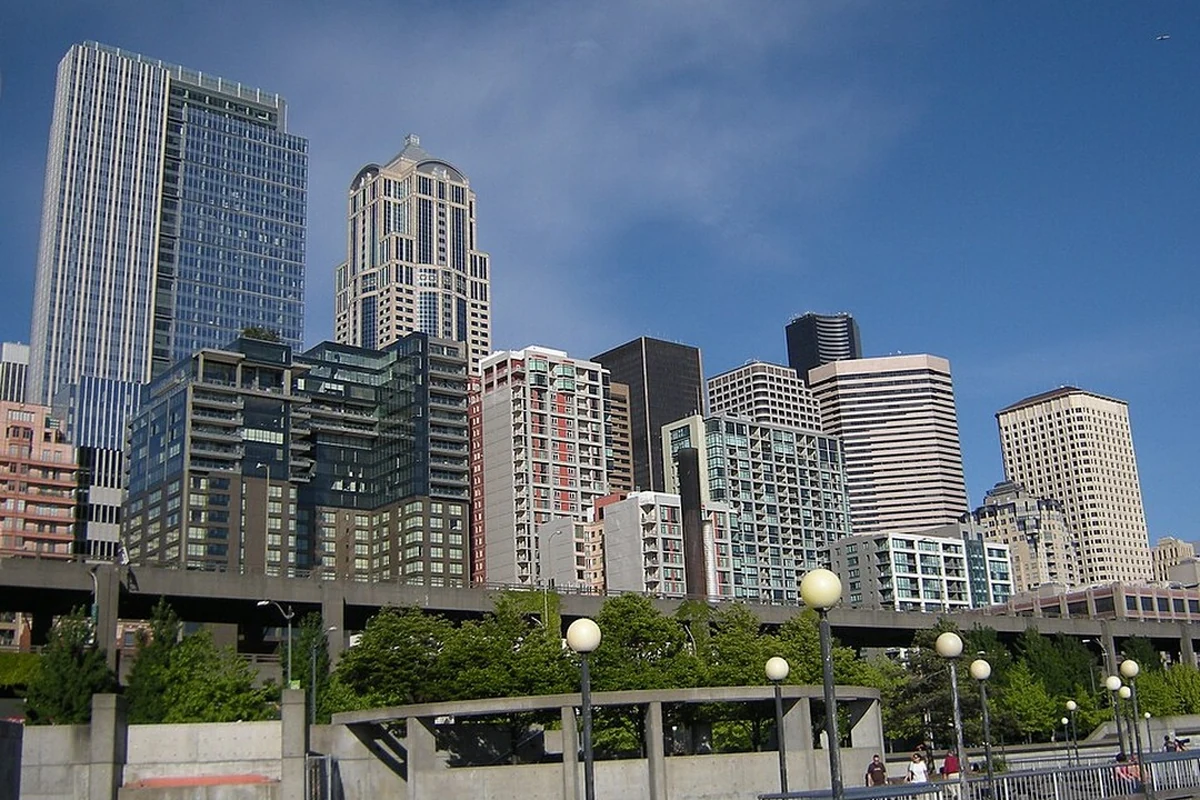
In November 1993, Clinton invited the leaders of member economies to Blake Island near Seattle for the first Leaders' Non-formal Meeting. The word 'non-formal' in the name basically meant: no ties, fewer scripts, more plain talking — not even a head seat at the table, so nobody could put on airs.
That year's meeting pledged to deepen the spirit of the Asia-Pacific family and to secure stability, security and prosperity for the region's peoples, and the annual leaders' gathering became a fixed program from then on. The media discovered for the first time that watching great-power leaders chat without a script was a lot more interesting than reading a statement.
How clever was the 'non-formal' design? It sidestepped the rigid protocols of officialdom: no treaty, no votes, just frank conversation around the fire — looser in form, heavier in substance.
APEC officially graduated from a ministers' club to a heads-of-state dinner party — and as its stature rose, the global spotlight followed.
◆ Bogor sets the goals: an alarm clock for liberalization
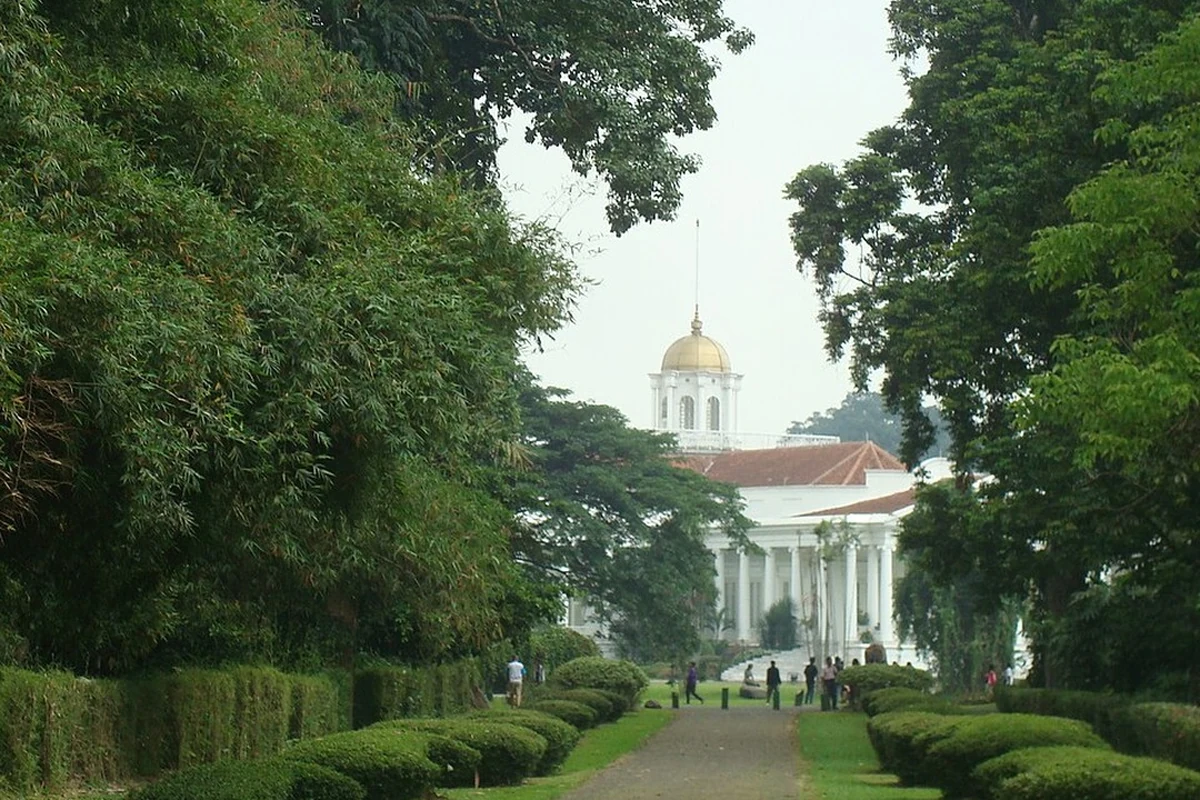
November 15, 1994, Bogor, Indonesia. In a mountain retreat, 21 members set an absurdly ambitious goal: developed members would achieve trade and investment liberalization by 2010, developing members by 2020. This was the Bogor Goals, straight into the textbooks — the first time the Asia-Pacific's opening-up process was wound up like a clock.
The media did the math on the spot: this ambition outstripped even the European Community, and waves of doubt followed. But it was precisely this declaration that twisted the loose dinner party into a single rope: with goals and deadlines on the table, nobody could hedge anymore.
Supporting mechanisms followed closely: the 1995 Osaka meeting adopted the Osaka Action Agenda, breaking the goals into specific sectors; the 1996 Subic meeting produced Individual Action Plans, with each member reporting its own progress and airing its own commitments — handing in homework to themselves.
By 2020, average import tariffs across the Asia-Pacific had fallen from double digits in the late 1980s to single digits, and trade costs dropped sharply — the alarm clock had rung, and its chime turned into hard cash.
◆ Expanding through the financial storm: what a tough life force
The 1997 Asian financial storm struck, and the Thai baht was halved overnight: on July 2 it abandoned its fixed exchange rate; within months the rupiah, won and ringgit took turns plunging, stock markets cratered in several countries, and IMF bailout packages were negotiated round after round.
In the middle of this mess, the November 1997 Vancouver meeting still expanded: it announced the admission of Vietnam, Russia and Peru, all in place by 1998. Handing in a pledge of allegiance in a crisis year was a bet that the Asia-Pacific must stay open for the long haul — the bigger the storm, the sturdier the table.
The 1998 Kuala Lumpur meeting went ahead under the storm: host Malaysia had imposed capital controls in September and openly stood up to the IMF, and the meeting also saw the furor over a speech by second-in-command Al Gore — the explosive atmosphere of that session is still dinner-table talk for veteran negotiators.
The crisis didn't break up the dinner party; instead it expanded the membership and set a social safety net and cooperation agenda — that's just how tough this organization is.
◆ Shanghai's tang-suit group photo: China's home-court year one
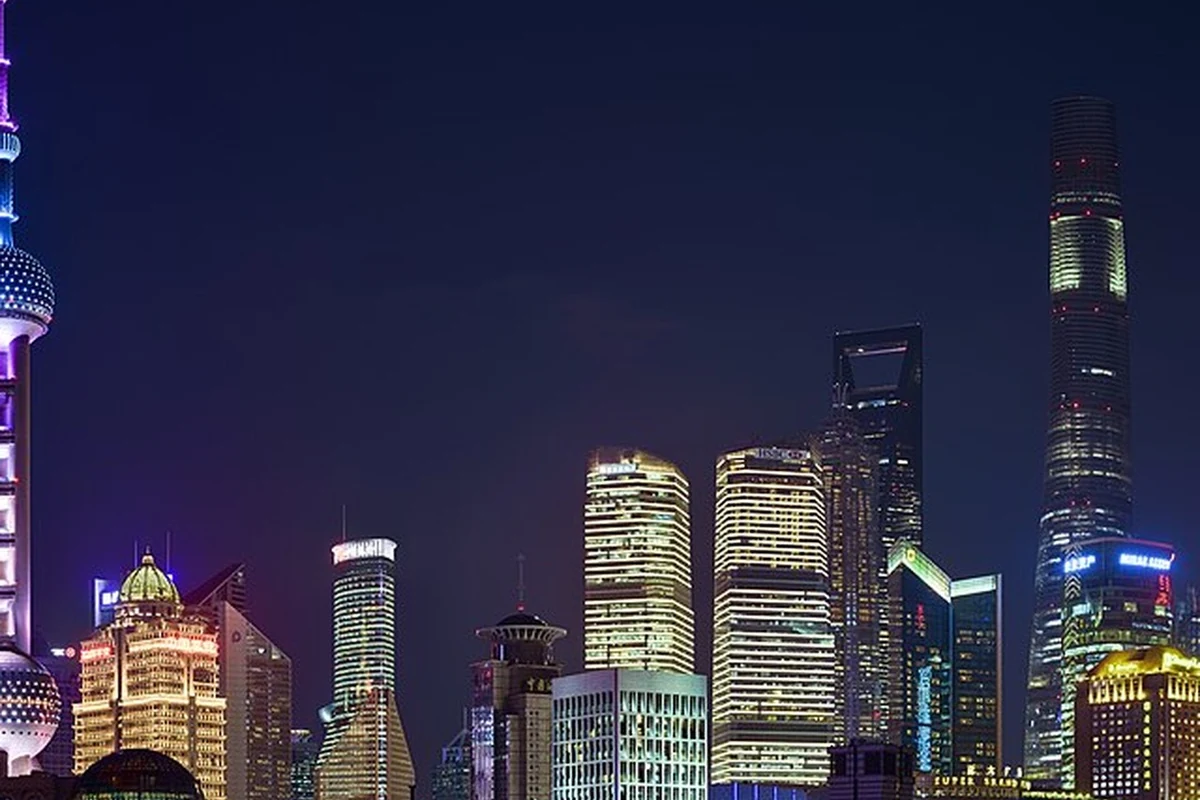
October 20–21, 2001, Shanghai. Only a month after 9/11, with global security tensions running high, APEC went ahead as scheduled — China's first time as host, and one of the heaviest gatherings on the Asia-Pacific multilateral calendar after 9/11. Leaders from various countries put on tang suits for a group photo that went into the history books.
The results were solid too: the Shanghai Consensus, the e-APEC Strategy and a leaders' counter-terrorism statement filled a whole page — the digital agenda hit the table for the first time, planting the seeds for two decades of paperless trade and the e-commerce boom.
Thirteen years later came Yanqi Lake in Beijing, with the connectivity blueprint and the FTAAP roadmap landing in a big way; another twelve years on, it was Shenzhen's turn — three home games in 25 years, and China answered the host question three different ways.
From tidal-flat fishing village to city of technology, the growth rings of the host city are the growth rings of APEC.
Thirty-seven years, 12 to 21 people, ministers' meetings turned into heads-of-state meetings, a loose dinner party turned into a council for 60% of global GDP.
APEC's history proves one thing over and over: slow is fast; scattered but not chaotic.
The next chapter is Shenzhen's turn to hold the pen.
This article draws on public reports from the APEC official website and Xinhua.

Comments