The hardest thing to obtain in medicine is sometimes not a more precise instrument but an action a person already takes daily and does not experience as an intrusion. A blood draw needs a needle, fasting and a dedicated trip; standing at the mirror to floss at night costs almost no willpower at all. If diagnosis can be embedded in such a habit, the cost of adherence approaches zero. The HKUST team has pushed that idea a step toward reality.
Reported on 19 November, a group led by biotechnologist Hnin Yin Yin Nyein at the Hong Kong University of Science and Technology published a small trial in Science Advances: a floss pick rebuilt into a home device that reads metabolic state. As it cleans between teeth it captures the fluid there, and beyond monitoring oral condition it also assesses the body's metabolism, all from home.
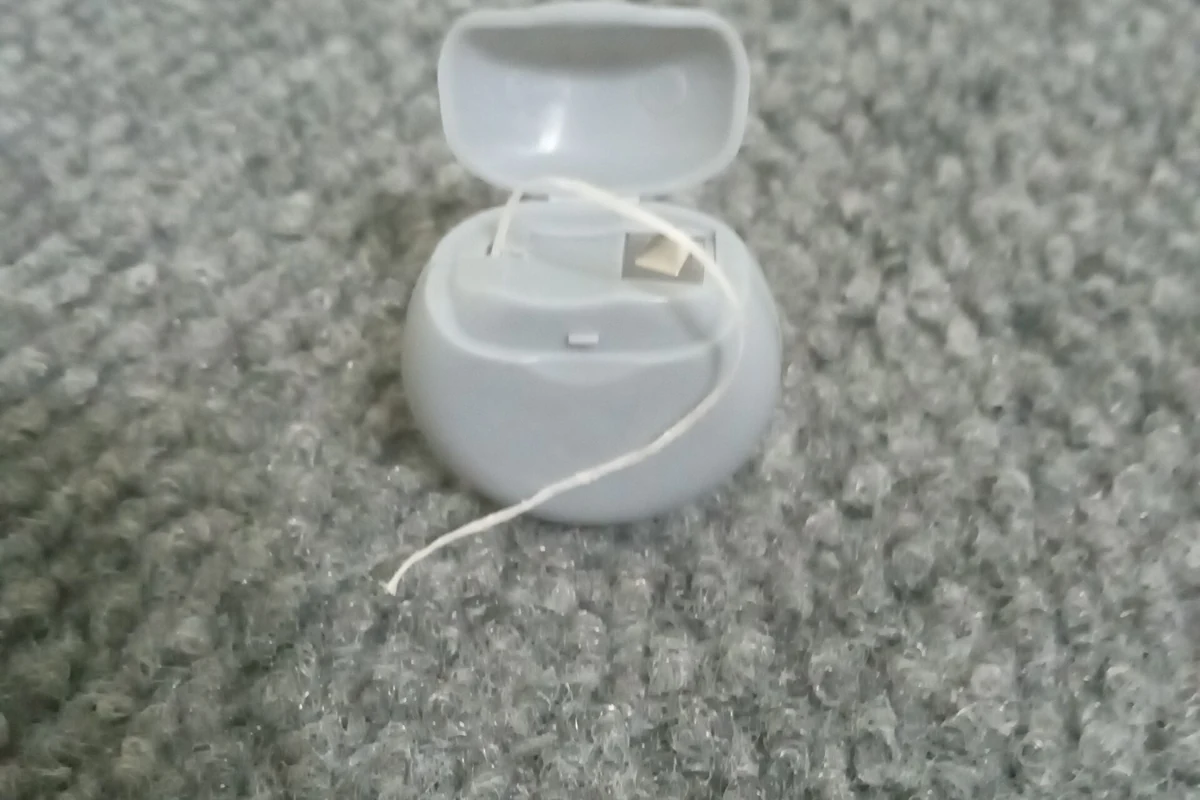
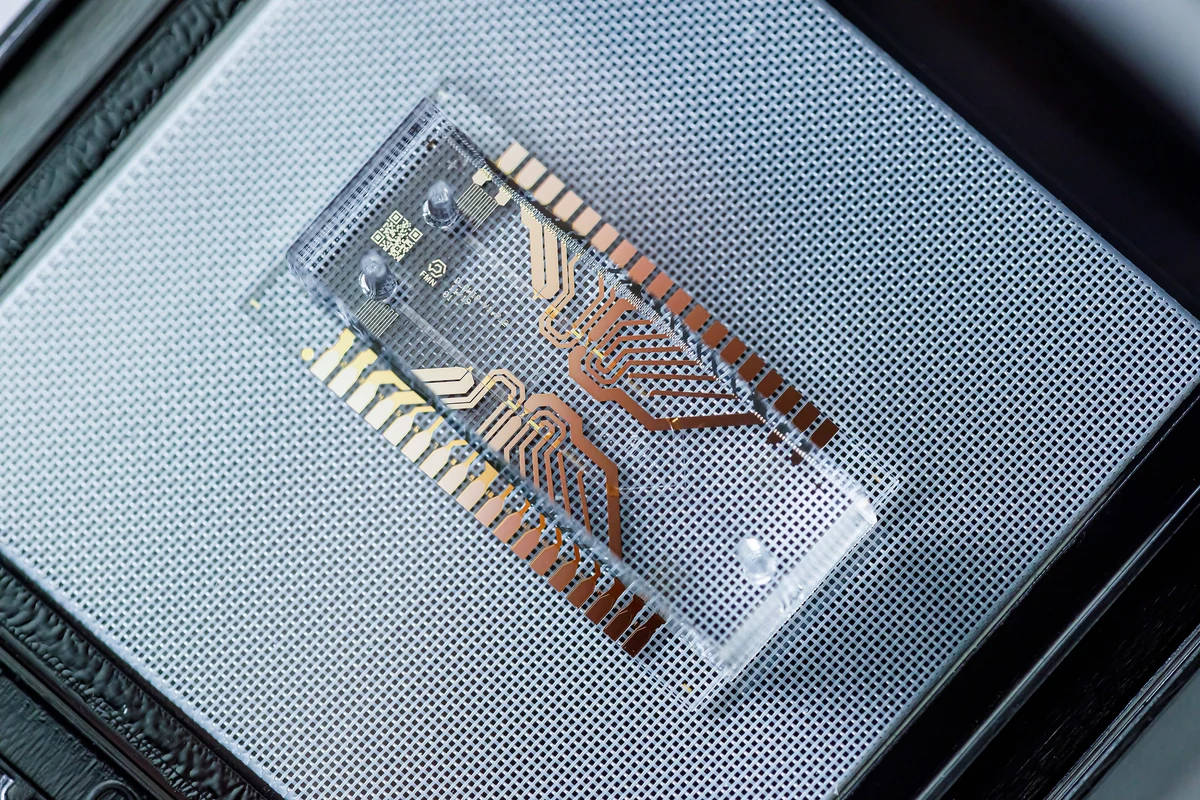
From the outside it looks much like an ordinary floss pick. Inside it is rather different: a pulley system channels the collected fluid into a microfluidic chamber fitted with biosensors. Within minutes of a person finishing their cleaning, the sensors measure glucose, uric acid, hydrogen peroxide and acidity in the fluid, then send the readings wirelessly to a smartphone. Hiding sample preparation inside an everyday movement is the cleverest stroke of the whole design.
The real key is that what it collects is not saliva. The fluid is called gingival crevicular fluid, or GCF, and it sits in the grooves around and between the teeth, along the tooth-gum margin. Because it lies close to the gum surface, it exchanges metabolites, proteins and inflammatory markers with the bloodstream, so in principle it resembles the blood's chemical portrait far more than saliva does. Distinguishing what was sampled matters more to credibility than what was measured.
Here sits an old problem that stalled the field for decades. Scientists have long known GCF carries rich information and wanted to use it to study gum disease and broader conditions, but the body produces it in minute quantities and it is easily diluted by saliva, so it never became a routine sample. When a person flosses, however, some GCF is drawn up out of the groove. A collection problem was bypassed by an existing daily habit: not a new action invented, just a tube attached to an old one.
The trial was small, an early test run, but the cohort was chosen with care. It included healthy volunteers alongside people with diabetes, elevated uric acid, known as hyperuricaemia, and poor oral health. The readouts differed across these groups rather than collapsing into one vague signal. What a small sample can do is show that the route works at all, not establish reference ranges anyone could diagnose from.
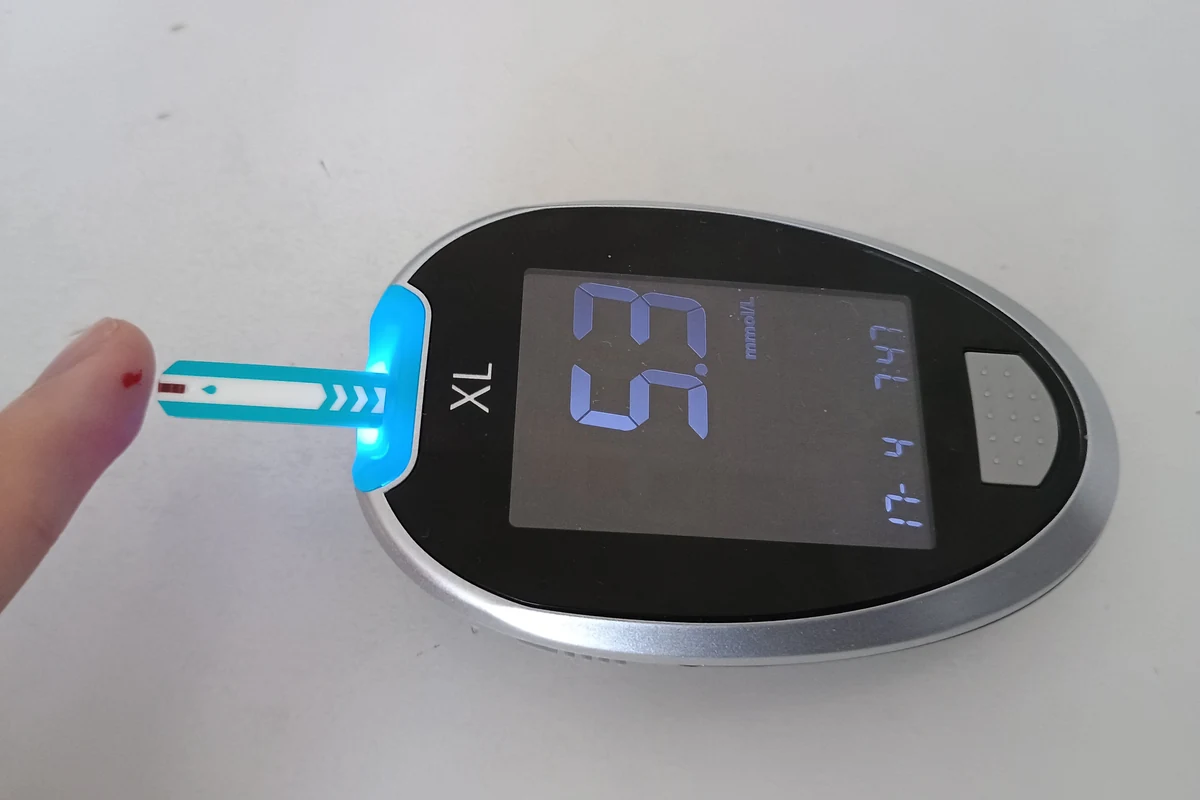
The two central findings are that glucose levels in the flossing fluid closely matched measurements in blood, and uric acid levels correlated strongly with blood levels. Beyond that, acidity and hydrogen peroxide readings let the device estimate the depth of a person's gum pockets with reasonable reliability, an indicator dentists commonly use when diagnosing periodontal disease. One sample attending to both metabolism and local inflammation is exactly what sets it apart from an ordinary glucose meter.
To me the most valuable point is that it stands at the crossing of two lines. Diabetes and periodontal disease worsen each other: metabolic dysregulation aggravates gum problems, and oral inflammation makes blood sugar harder to control. Existing home tools usually cover one side only, a glucose meter for metabolism, a dental visit for the mouth. A device that puts both signals on the same timeline is meaningful for understanding that mutual worsening itself, before anyone talks about replacing anything.
Zoom out and this is a design philosophy: rather than asking people to change their lives in order to monitor, attach monitoring to the life already there. The move from invasive blood draws to casual sampling is hard not merely because of sensor sensitivity, but because of where the sample comes from and how it can be obtained without pain, without notice and without extra steps. Flossing answers all three questions at once.
The paper earns trust precisely by stating its limits bluntly. Saliva made up nearly half of the collected fluid, and blood could also mix in. When the researchers tested saliva on its own, it carried almost no information about glucose, while blood-contaminated samples may complicate the readings. In other words the device does not read pure GCF but a mixture of several fluids, and the deconvolution of that signal is unfinished.
A deeper limitation is that what has been shown is correlation and early feasibility, not clinical outcomes. The team itself calls for a future trial to test whether GCF-guided monitoring actually improves prognosis for people living with both diabetes and gum disease. From the readings agree to managing by those readings makes people healthier lies a whole programme of outcome research, and that step cannot be skipped.
Looking further ahead, home diagnostics brought to scale raise a few unavoidable questions: over-interpretation of continuous readings and the anxiety of false positives, who owns personal metabolic data and how it is kept private, calibration drift between a bathroom and a laboratory, and where regulators draw the line between a wellness hint and a medical diagnosis. Technically feasible is not the same as suitable for every sink without guardrails. For now, at least, the glucose meter should stay in the drawer rather than be thrown out.
So I would sum the work up in one sentence: what has been opened is not a floss that measures things but native GCF, a biofluid left in the shadows for decades. The authors' phrase about converting a daily habit practised by billions into a diagnostic act names exactly that shift. As so often, science first explains why something is feasible; whether to buy it and whether to trust it must wait for clinical trials to answer slowly. The former nearly always outruns the latter.


Comments