
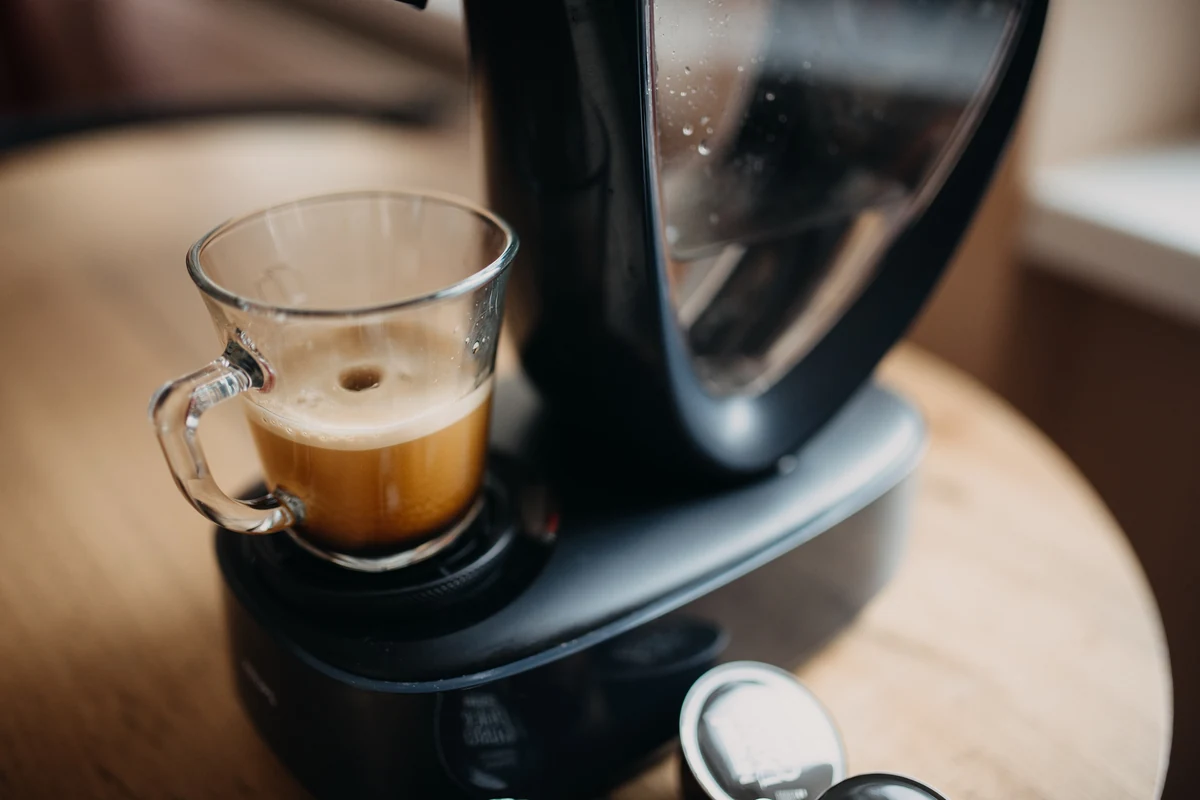
Almost everyone winces at a first cup of black coffee. Plenty of those people eventually cannot start a morning without it, and will earnestly describe a sweetness in the finish. The usual explanations put the change at the entrance: the tongue adapts to bitterness, or the caffeine simply becomes a habit. A new study moves the camera to long after the cup is put down.
Dopamine is shorthand for reward, but the version measured for decades is the fast one. See a favourite food, taste sugar, and a signal arrives within seconds. That explains wanting. It does not explain how a person slowly comes to like something they initially disliked.
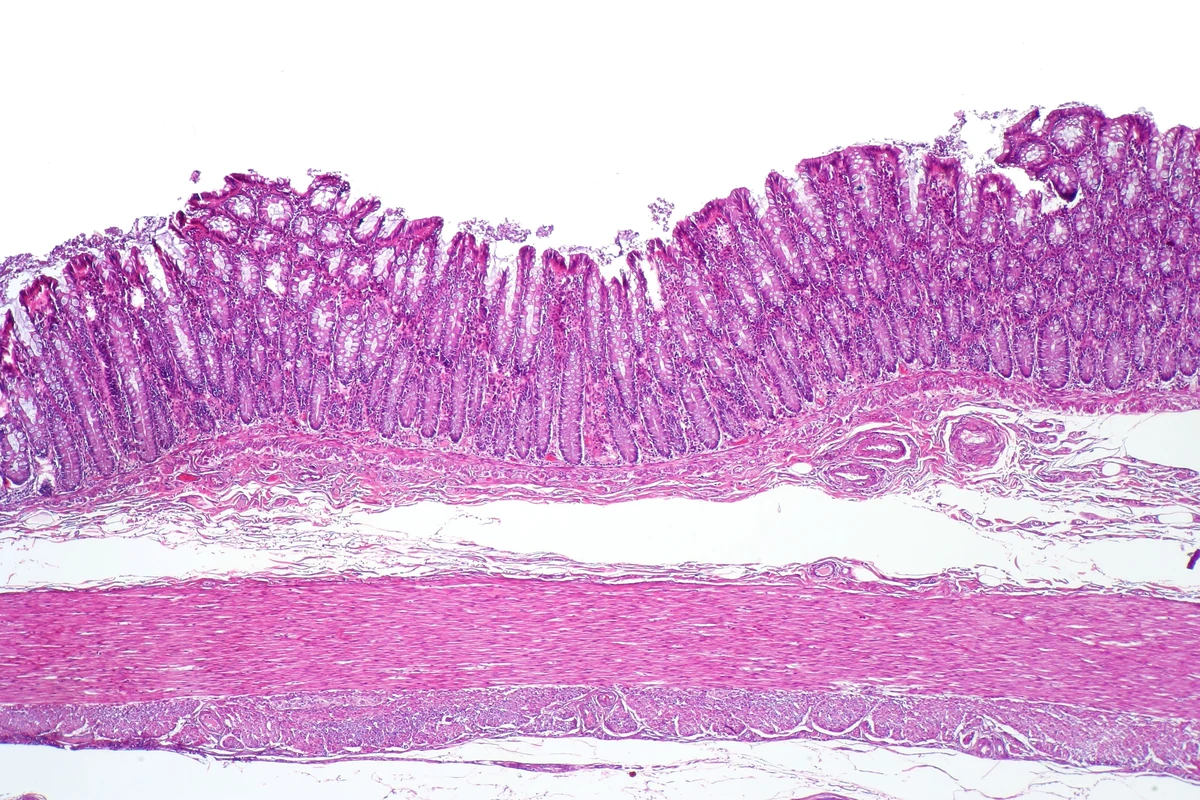
The team were interested in a slower route. Once nutrients enter the digestive tract, sensors there register sugars and fats and send word back to the brain, producing a response that lasts minutes. That timescale is too long to feel like a reward and just long enough to link an episode of eating with its consequences.
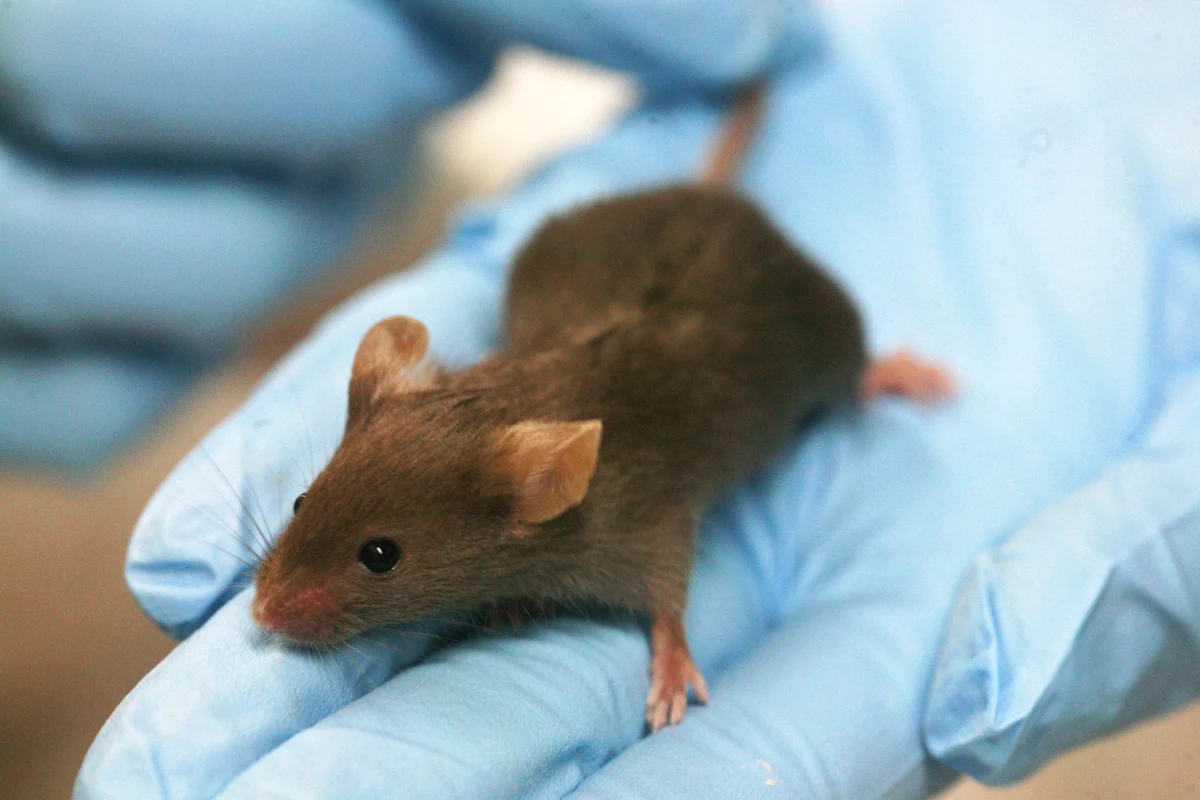
The cleverest part of the design is that it separates tasting from receiving. Sugar water or a milkshake-like liquid was delivered straight into the stomach of a mouse, bypassing the mouth, while brain dopamine was recorded. A strong, sustained signal appeared in the basolateral amygdala. It was answering to delivered calories, not to flavour.
Then came the causal tests. Block that pathway and the animals still ate normally, but lost the ability to connect a novel taste with getting calories: the meal happened, the lesson did not. The reverse experiment is more striking. Let a mouse taste something with no calories, artificially activate the same pathway, and it develops a preference for that empty flavour anyway.
Preference, in other words, can be installed from nothing. What the brain seems to require is not actual nutrition but a later receipt saying that the last intake was worth repeating. Flavour is merely the label stuck to that receipt; the label carries no value on its own, the value is added afterwards.
A lot of ordinary experience suddenly makes sense. Bitter, astringent or sour things become pleasant only after several encounters. The same dessert is judged differently after a large meal. A bad first sip is almost never the final verdict. The tongue reports the present; the brain keeps the accounts.
Human brain imaging in the same work showed a comparable pattern. That step deserves caution. Similar images do not prove an identical mechanism, and a pathway that can be precisely blocked and switched on in an animal can only be inferred indirectly in people. Still, the direction survives the species boundary.
Recasting taste as learning widens the space for intervention. If preference is taught gradually, the lever for changing a diet may not be making food taste better but making the feedback about what happened after ingestion clearer, faster and less noisy.
It also gives the long argument about non-caloric sweeteners a sharper question. When a taste signal is repeatedly uncoupled from a caloric receipt, does this learning system get trained on the wrong correlation? The current data cannot answer that, but the question is now far more specific than whether a sweetener is harmful.
To be clear, the study offers no ready diet plan or recipe, and it does not show that a person can will this pathway into a different shape. What it does is mark a timescale that was mostly ignored: alongside wanting on the order of seconds, there is learning on the order of minutes.
The methods have edges too. Infusing into the stomach is a radically simplified meal. Real eating delivers taste, smell, texture and social context all at once, and there is a considerable distance between these experiments and the complexity of how people eat.
So the story of that bitter coffee probably needs rewriting. The taste buds were not tamed. After every cup the body quietly filed a note with the brain, and once enough notes had accumulated, bitterness was recorded as worthwhile. Liking was never purely a judgement of the senses; it is a conclusion built up from receipts.




Comments