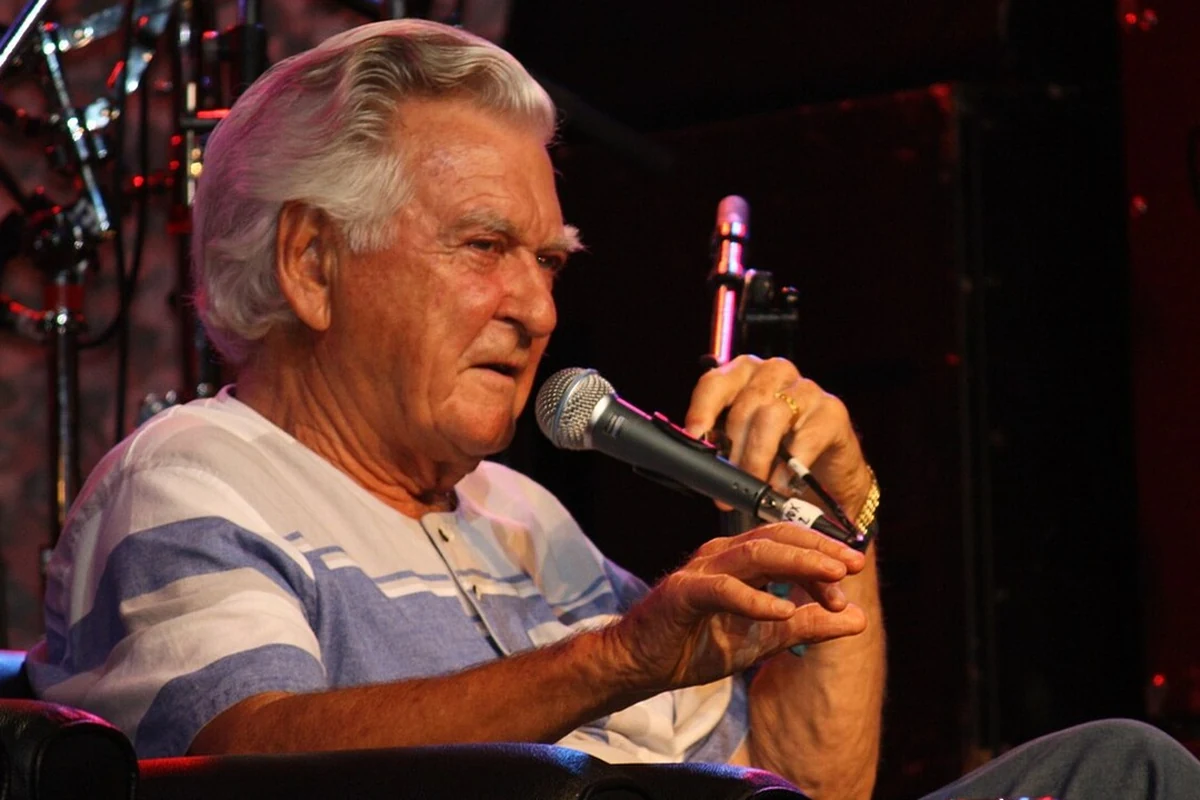
In May 2019, in Sydney, an 89-year-old man passed away on his own sofa. Australians mostly remembered him as the leader who ran the country. But across Asia, the thing he is really remembered for is something else entirely: he started a gathering that grew into APEC—the Asia-Pacific Economic Cooperation forum.
Seven years on, that gathering is not just alive, it is bigger than ever. On 19 November 2026, the 33rd informal Leaders' Meeting wrapped up in Shenzhen, with 21 economies around one table signing the Shenzhen Outlook. The son of a small-town preacher probably never imagined his idea would travel this far.
So no, this is not a policy briefing. Think of it as a seat at the table: who this man actually was, why that first meeting had to happen, how many times the group nearly fell apart, what it has actually delivered—and, yes, what any of it has to do with the stuff in your shopping cart.
First, the numbers, because they are the whole argument. According to APEC's own latest figures, its 21 members are home to 3 billion people, or 36.4% of humanity. Together they produce US$61.4 trillion—61.6% of the world's output. Goods exports and imports each come to roughly US$15.3 trillion. Put simply: out of every 100 dollars earned globally, more than 60 circulate inside this circle.
◆ The Preacher's Son Who Loved a Good Fight
Bob Hawke was born on 9 December 1929 in Mount Barker, a small town in South Australia. His father Ellis was a preacher, his mother Edith a schoolteacher. The house was poor on cash but rich in two things: strict rules and a well-stocked bookshelf. Nobody looking at that boy would have guessed he would one day convene a club covering six-tenths of the global economy.
When he was ten, the family moved to Perth. He was a ferocious student, picking up law and arts degrees at the University of Western Australia, then winning a Rhodes Scholarship to study industrial relations at Oxford. For a small-town Australian kid in those days, that was a one-in-a-thousand shot.
He came home in 1956, and two years later joined the Australian Council of Trade Unions. The daily grind there was confrontational: stare down employers, fight for wages, organise walkouts. Hawke spent more than a decade in that world and developed one very specific skill—herding a room full of shouting people until they actually finished a conversation. As it turned out, that was exactly what APEC would need most.
In February 1983, a month before a national ballot, the Labour Party swapped leaders and Hawke replaced Bill Hayden at the top. He then led the party to a landslide win. Three more terms followed—in 1984, 1987 and 1990—and he stayed on until the end of 1991, becoming the longest-serving Labour leader in Australian history.
He kept his private life quiet. His first wife Hazel stood by him through the hardest years, and they had three kids. After they separated in 1994, he was with the writer Blanche d'Alpuget. Hawke died at home in Sydney on 16 May 2019, aged 89. He visited China more than a hundred times, first coming in 1978 just as reform and opening were getting started—a genuine old friend of the country.
◆ Why 1989 Demanded a Table of Its Own
Rewind to 1989. The world was shaking. Eastern Europe was on the edge of upheaval, the Uruguay Round of trade talks was stuck in the mud over farm subsidies, and the United States and Japan were red-faced over trade deficits. The old rules were sputtering; nobody had written the new ones yet.
Asia, meanwhile, looked completely different. Japan, South Korea and the ASEAN economies were sprinting ahead—but heft did not translate into a voice. The rulebook was written elsewhere, and Asia was mostly left listening in.
Hawke saw the problem clearly: keep playing separate games and Asia would end up with a smaller slice. On 31 January 1989, during a visit to South Korea, he laid out an idea he had been sitting on for a long time—the region should have a chance to shape the course of trade liberalisation, steer clear of moves that would wreck it, and walk into the next century with confidence.
In plain English: brothers, stop fighting alone, pull up one table and make some noise, or next time the cake is cut you will not even get a seat. ASEAN hesitated at first, worried about being led around by the big powers. Japan and South Korea waited and watched. Hawke would not let it go, and six months later the first meal was actually served.
Here is the interesting part: the thing that eventually became APEC was never designed to sign treaties. What Hawke wanted was simply to get everyone sitting down. Get them sitting down, and every story after that becomes possible.
◆ Humble Beginnings in a Canberra Committee Room
On 5–7 November 1989, in a room inside Canberra's old assembly building, twelve parties took their seats: Australia, the United States, Japan, South Korea, New Zealand, Canada, and the six ASEAN members of the day. This was APEC's first ministerial meeting, and the organisation was officially born.
The opening was almost comically modest. No grand name—outsiders just called it the Asia-Pacific Economic Forum. No secretariat, no membership dues, not even a proper permanent body. When the meeting broke up, everyone went home. Who would have bet on this ramshackle setup still being around decades later?
The real turning point came in 1993. In January the secretariat opened its doors in Singapore; in November the first informal Leaders' Meeting was held in Seattle, United States. From that moment APEC stopped being a ministers' club and became a leaders' table—and once the status changed, the world's cameras swung toward it.
That is how the Australian press started calling Hawke the father of APEC. The label was not empty flattery: he turned a single idea into an annual habit for 21 economies. Even after he left office, the legacy kept speaking for him.
◆ From 12 Chairs to 21
APEC's growth was slow, but it never stopped for a single day. In 1991 China, Hong Kong China and Chinese Taipei came aboard; at the 1997 Vancouver meeting, Vietnam, Russia and Peru filled in the gaps. Twelve chairs, added one at a time, became twenty-one.
Since Seattle in 1993, the informal Leaders' Meeting has been held every year without fail. Bogor set the liberalisation goals in 1994, Osaka drew up an action agenda in 1995, Shanghai produced a consensus in 2001, Beijing passed a connectivity blueprint in 2014—and in 2026 it is Shenzhen's turn. One table a year, 37 years without a break.
China's three turns as host line up neatly with three steps up in its own economy: in 2001 it had just joined the World Trade Organization, in 2014 it was already the second-largest economy in the world, and in 2026 it arrives at a moment of technological and industrial transformation. The rotation of hosts reads almost like a map of how economic weight has shifted across the Asia-Pacific.
Today APEC counts 21 members and 3 observers, with a five-layer structure stretching from the leaders' meeting all the way down to the secretariat in Singapore. It has become the highest-level, widest-ranging economic cooperation platform in the region. The small idea hatched in that old Canberra room has grown into a very large tree.
◆ When They Nearly Flipped the Table
Do not assume these 37 years were all handshakes and group photos. APEC has had its share of awkward moments, and several are worth remembering.
In 1998 the Asian financial storm hit: the Thai baht was forced off its peg, the Indonesian rupiah plunged, and the Kuala Lumpur meeting had to go ahead in that anxious atmosphere. In the end it was practical moves—building social safety nets and repairing financial systems—that steadied the room.
In 2018, at Port Moresby in Papua New Guinea, 21 members argued over a few adjectives in the declaration right down to the last minute. Protectionism or fair trade? The wording was rewritten again and again, and in the end only a host statement was issued—the full declaration never saw the light of day.
In 2019 it was even more abrupt. Chile cancelled the leaders' meeting outright over domestic unrest, the first time that had ever happened. On 7 December the final senior officials' meeting had to be wrapped up at the secretariat in Singapore, with not a single roadmap left undone. In 2020 and 2021 the talks moved online, and in 2021 New Zealand even hosted two rounds in one year.
APEC has been written off as a group about to break up, yet it has never once missed a gathering. Why does it hold? Because of that old habit of talking things through when trouble comes. People argue, but nobody flips the table.
◆ The Real Payoff: What It Actually Delivered
Enough of the drama. Let us count what is actually in the vault.
First, the Bogor Goals. At the 1994 meeting in Bogor, Indonesia, members set a target: developed economies would achieve trade and investment liberalisation by 2010, developing ones by 2020. It was an alarm clock for the whole region. Both deadlines have come and gone, but the tension has never really been switched off.
Second, the Business Travel Card. Approved at the 1999 Auckland meeting, the card runs for three years with stays of up to 90 days. It now covers all 21 economies, with more than 460,000 cardholders. For anyone in trade, it means visa-free hops across the region—the time saved on paperwork in a year is enough to close several extra deals.
Third, paperless trade and digitised customs. Not long ago, clearing a single ship meant paper documents that could fill a filing cabinet. Today an electronic file goes through with a few keystrokes. What is saved is not just paper but real money tied up in capital and waiting time.
Fourth, the 2040 Putrajaya Vision adopted in 2020—a drive toward an open, dynamic, resilient and peaceful Asia-Pacific community. Between 2015 and 2025, the region's rail network grew by 9%, while shipping and maritime connectivity indexes rose by 3.8% and 12% respectively.
Fifth, and most recent, the Shenzhen Outlook. Wang Yi introduced it on 20 November, and the outcomes cover six areas: setting a clear direction, building the framework of an Asia-Pacific community, adding momentum to a regional free-trade area, upgrading connectivity, empowering innovation-led growth, and creating platforms that actually deliver. That framework rests on four pillars—trade and investment, connectivity, innovation, and development. China also pledged US$20 million and announced an Asia-Pacific community research centre in Shenzhen.
◆ Inside the US$15.3 Trillion Shopping Cart
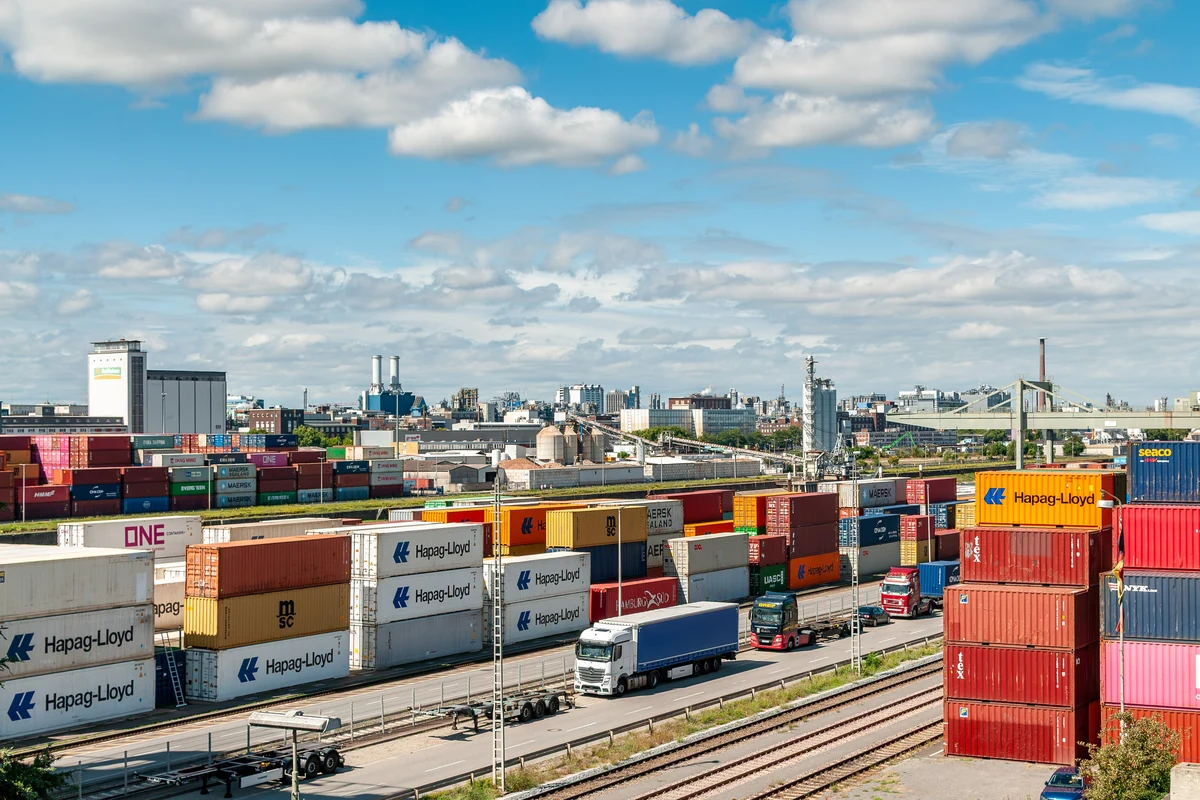
So how much business do 21 members do in a year? Goods exports and imports each come to about US$15.3 trillion, close to half the global total. Open up a cart that big and what is actually inside?
Start with chips. Roughly nine in ten of the world's most advanced processes sit with TSMC, and the semiconductor market is worth more than US$600 billion. A single chip, from design to the phone in your hand, often crosses borders a dozen times. That is the Asia-Pacific supply chain in its purest form.
Next, farm produce. Chilean cherries fly to Shanghai in 25 hours; Peruvian blueberries reach Yangshan port via Chancay in 23 days; Australian seafood lands in the Greater Bay Area within 24 hours. The imported fruit on a Shenzhen supermarket shelf is backed by an entire cold chain and customs chain racing the clock.
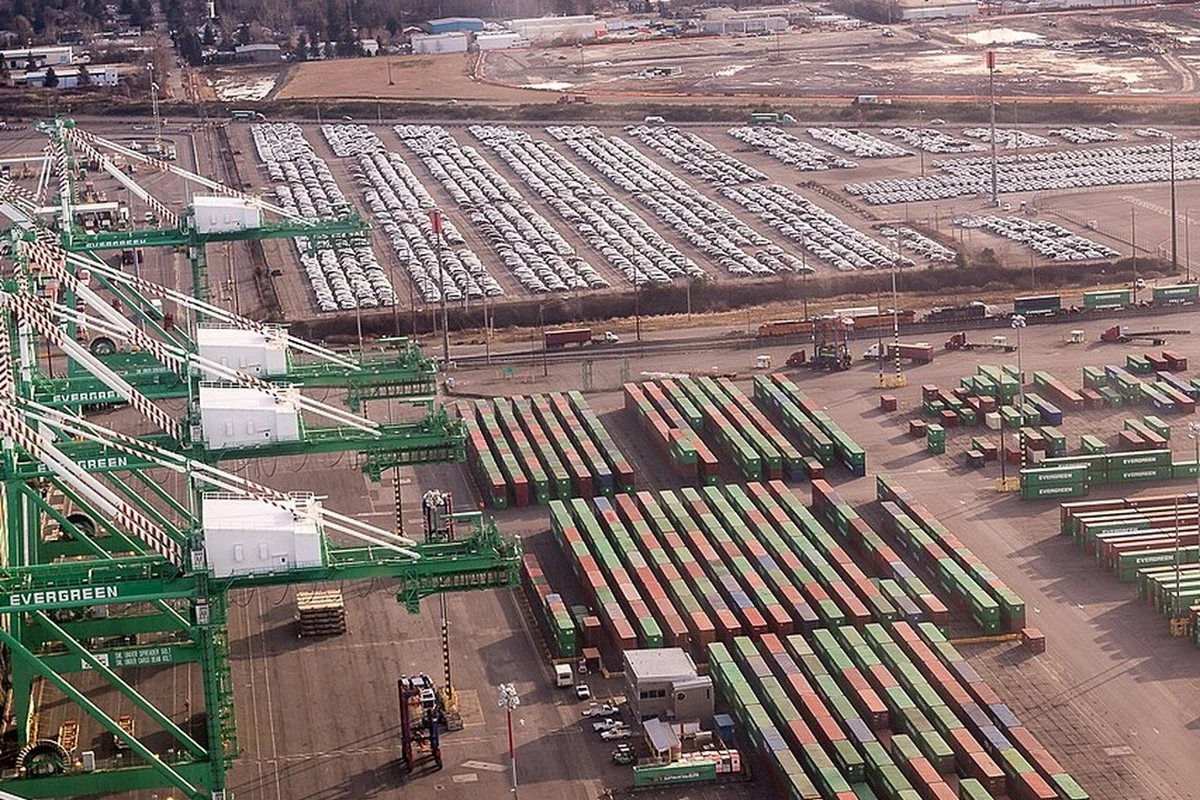
Then, finished vehicles. China exported around 5.9 million cars in 2024, firmly the world leader. Those roll-on, roll-off ships at the port, each able to hold thousands of cars, are basically moving warehouses carrying Chinese manufacturing across the region.
Energy is next. Australia ships about 80 million tonnes of liquefied natural gas a year, cargo after cargo heading for power plants in Japan, South Korea and China. And the fifth category is the one you cannot see but that may be the most valuable of all: services and people. Cross-border e-commerce is well into the trillions, while business travel, digital payments and interoperable QR codes have turned hop-on, hop-off trips into an everyday thing.
Stack those up and you have the truth behind that US$15.3 trillion bill. APEC has never really been about abstract ideas. It is about the goods on our shelves, the cards in our pockets and the roads we travel.
◆ The World's Biggest Dinner Party Lands in Shenzhen
Back to Shenzhen. The most practical thing about this summit is how it pushed APEC from talking about ideas toward things that actually land.
The year 2026 marks the 20th anniversary of the vision for an Asia-Pacific free-trade area. The Business Advisory Council issued a statement of support, and the Shenzhen Initiative from the CEO Summit is full of language aimed squarely at ordinary lives: improving livelihoods, promoting food trade, and making cross-border QR payments work together.
UnionPay has already linked up with digital payment networks in Indonesia, Vietnam and Singapore, so users on either side can simply scan and pay when they travel. The Shenzhen Initiative also calls for cutting non-duty barriers to grain trade, building a framework of green trade rules, and pushing zero-carbon and low-carbon mobility.
Artificial intelligence made the agenda too. A July meeting of officials in charge of the digital and smart sectors focused on closing the intelligence divide, while the Shenzhen Initiative puts on paper the use of AI to grow economies, improve public administration and raise living standards.
Thirty-seven years ago, when Hawke said those words in Seoul, he could never have imagined this meal would still be served today—let alone that the head table would be set in Shenzhen. The gathering the preacher's son started has become a family covering six-tenths of global output. What about the next 37 years? We will keep watching.
Looking back, the most valuable thing APEC has is not any single document. It is the habit of talking things through. Twenty-one members whose sizes differ by dozens of times can still sit down and finish a conversation—that, by itself, is an achievement.
Hawke's biggest legacy is not a number either. It is a beginning: teaching the region to choose cooperation over confrontation, and openness over closure. Seven years after his death, that still holds.
From twelve people in a Canberra committee room to twenty-one in Shenzhen; from a ministers' forum to a leaders' summit—APEC has spent 37 years proving one thing: slow can, sometimes, be the fastest way there.
Cherries, a travel card, a quick scan—these are the footnotes of a grand story written onto ordinary lives. The world's biggest dinner party is still in session.
Drawing on public reporting from Xinhua and the APEC Secretariat.

Comments